
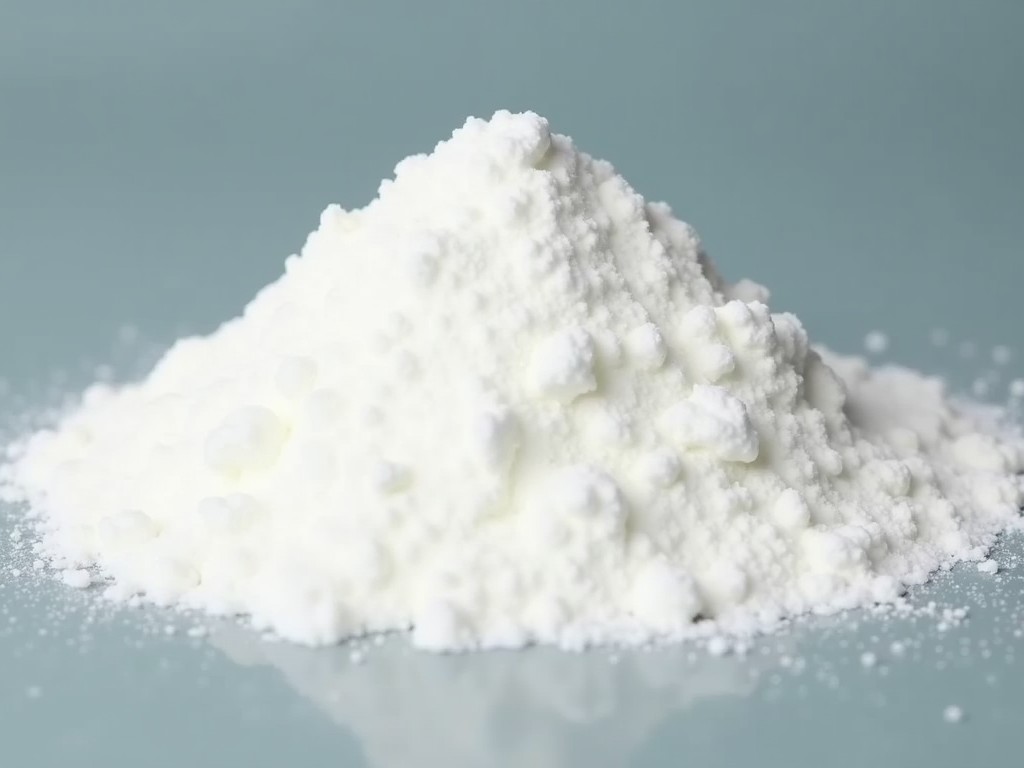
Cheap Calcium Carbonate Powder Top Factory
Cheap Calcium Carbonate Powder – Top Factory Supply
Calcium carbonate (CaCO₃) powder is a widely used inorganic filler derived from limestone or marble. Its performance in downstream applications depends primarily on chemical purity, particle size distribution, and surface treatment. This page outlines the technical characteristics that procurement engineers evaluate when selecting a bulk supplier.
The material described here is produced via a dry‑grinding circuit followed by air classification, yielding a product suitable for use as a functional filler in plastics, paints, adhesives, and rubber compounds.
Technical Specifications
| Property | Typical Value | Unit | Test Method |
|---|---|---|---|
| CaCO₃ Content | ≥98 | % (w/w) | ISO 12678 |
| Loss on Ignition (LOI) | ≤0.5 | % | ASTM C25 |
| Median Particle Size (D50) | 1.5–3.0 | µm | Laser Diffraction (ISO 13320) |
| Specific Surface Area (BET) | 4–7 | m²/g | ASTM D3663 |
| Whiteness (Hunter L) | ≥92 | – | ISO 787-1 |
| Moisture Content | ≤0.1 | % | ASTM D6304 |
Applications and Functional Benefits
In polyvinyl chloride (PVC) compounds, calcium carbonate acts as both a cost‑reducing extender and a rigidity enhancer. The filler’s particle size influences impact strength; a D50 around 2 µm typically yields a balanced tensile modulus and Izod impact resistance.
For water‑based architectural paints, the powder provides opacity and improves scrub resistance. A whiteness value above 92 Hunter L contributes to higher hiding power, allowing formulators to reduce titanium dioxide loading without sacrificing coverage.
In rubber formulations, the filler reinforces the matrix and improves abrasion resistance. Surface‑treated grades (e.g., stearic acid coated) enhance compatibility with non‑polar elastomers, reducing compound viscosity during mixing.
Manufacturing Overview
Raw limestone undergoes primary crushing to <30 mm, followed by secondary milling in a ball mill or vertical roller mill. The slurry is then classified using a centrifugal air separator to isolate the target fines fraction. The dried product is conveyed to a blending silo where optional surface treatment agents are metered and blended under controlled humidity.
Process parameters such as mill speed, classifier rotor speed, and feed rate are monitored in real time to maintain the prescribed D50 range. The plant operates under a closed‑loop dust collection system to meet occupational exposure limits for respirable particulates.
Quality Control Philosophy
Each batch is sampled at the silo outlet for chemical analysis (CaCO₃ content, LOI) and particle size distribution. Results are compared against statistical process control (SPC) charts; any deviation beyond ±2σ triggers a hold and investigation before release.
Additionally, a random subset of packages undergoes whiteness and moisture testing. Documentation includes a Certificate of Analysis (CoA) that reports the measured values, test methods, and the date of analysis. This approach provides traceability and reduces the risk of off‑spec material entering the supply chain.
Packaging and Shipping Options
- 25 kg multi‑wall paper bags with inner polyethylene liner (pallets of 40 bags).
- 500 kg flexible intermediate bulk containers (FIBCs) with spout top and discharge bottom.
- Bulk tanker truck or railcar for direct silo‑to‑silo transfer (minimum 20 t).
All packaging is labeled with product code, batch number, net weight, and hazard information (non‑hazardous, but dust mask recommended during handling). Export shipments comply with ISPM‑15 wood‑packaging regulations where applicable.
Frequently Asked Questions
Yes. Adjusting mill residence time and classifier speed allows targeting D50 values from 0.8 µm to 6 µm. Specific requirements should be provided during quotation.
Common treatments include stearic acid, stearoyl‑2‑lactylate, and silane coupling agents. Treatment levels typically range from 0.5 % to 2.0 % by weight, depending on the intended polymer matrix.
Required details: desired CaCO₃ purity, D50 range, any surface treatment, order quantity, preferred packaging, delivery destination, and required delivery date.
Each lot undergoes full chemical and physical testing as outlined in the specifications table. A CoA is issued and can be supplied electronically with the shipping documents.
For stocked grades, lead time is 5–7 working days after purchase order confirmation. Custom‑toleranced or surface‑treated grades may require 10–14 working days.
Next Steps
To obtain a detailed quotation or request a sample, please contact our technical sales team. Provide the application specifics and any required certifications so we can align the product characteristics with your process needs.