
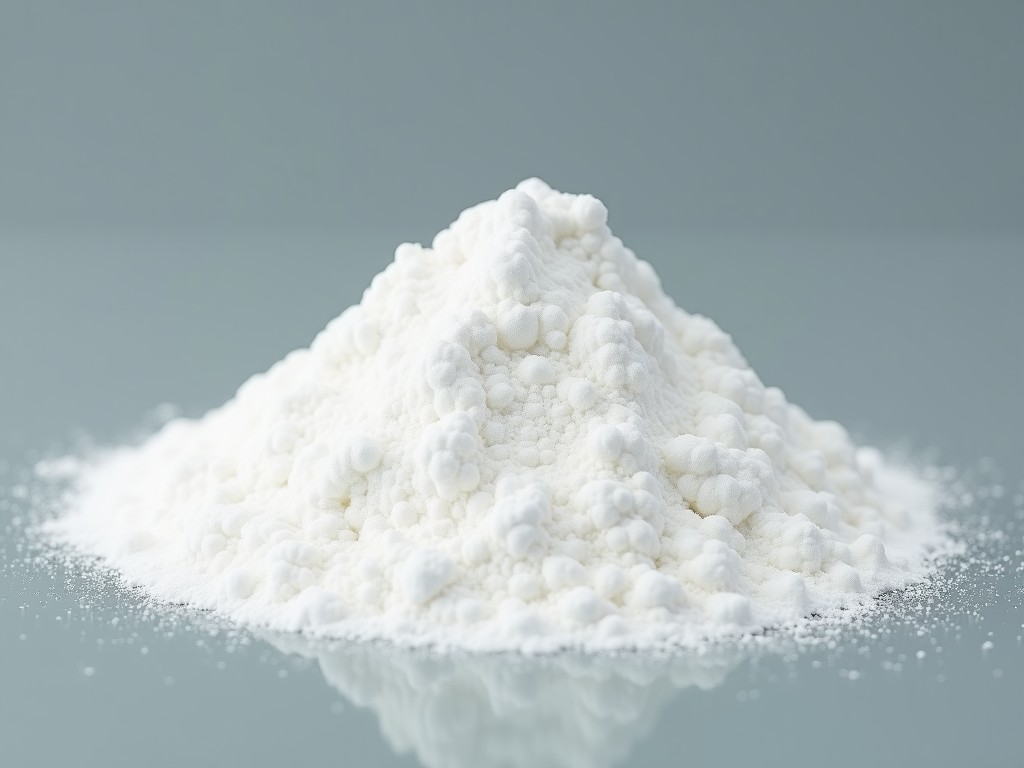
Aerosil 200 Fumed Silica Powder Price
Aerosil 200 Fumed Silica Powder: Technical Overview and Pricing Considerations
Aerosil 200 is a hydrophilic fumed silica with a BET surface area of approximately 200 m²/g and a primary particle size around 12 nm. These characteristics give it a high surface‑area‑to‑volume ratio, which influences rheology, reinforcement, and adsorption behavior in formulations.
The powder consists of amorphous SiO₂ aggregates formed in a flame hydrolysis process, resulting in a low bulk density typically between 40 and 60 kg/m³. Its pH in aqueous dispersion is usually between 3.5 and 4.5, reflecting the presence of surface silanol groups.
Key Technical Properties
| Property | Typical Value |
|---|---|
| BET Surface Area | ≈ 200 m²/g |
| Primary Particle Size | ≈ 12 nm |
| Loss on Ignition (2 h at 1000 °C) | ≤ 1.5 % |
| pH (5 % dispersion) | 3.5 – 4.5 |
| Bulk Density | 40 – 60 kg/m³ |
Applications and Functional Benefits
In silicone elastomers, Aerosil 200 acts as a reinforcing filler, increasing tear strength and modulus without significantly affecting elongation. The high surface area provides numerous silanol sites that can form hydrogen bonds with polymer chains, improving stress transfer.
In paints and coatings, the powder contributes to sag resistance and anti‑settling properties. Its thixotropic effect arises from the formation of a transient network of silica aggregates that breaks under shear and rebuilds at rest, allowing easy application while preventing sagging on vertical surfaces.
For adhesives and sealants, the fumed silica improves viscosity control and enhances adhesion to substrates by increasing surface energy. Its low moisture uptake (when kept dry) ensures consistent performance over storage life.
Factors Influencing Price
The price of Aerosil 200 is primarily driven by production costs associated with the flame hydrolysis process, energy consumption, and raw material (silicon tetrachloride) pricing. Variations in particle size distribution or surface treatment (e.g., hydrophobic silylation) can shift the cost structure.
Order volume plays a significant role; larger quantities typically reduce the unit price due to economies of scale in packaging and freight. Packaging options—such as multi‑wall paper bags, polyethylene liners, or intermediate bulk containers—also affect handling costs.
Market conditions, including regional demand spikes in electronics or automotive sectors, and logistics considerations (incoterms, distance to port, customs duties) can cause short‑term price fluctuations. For accurate pricing, a formal quotation based on exact specifications and delivery terms is recommended.
Typical Price Indication
As of 2024‑2025 market data, the ex‑works price for untreated Aerosil 200 in 25 kg bags generally falls within the range of USD 2.8 to 3.5 per kilogram, depending on the factors noted above. Prices for surface‑modified grades or larger packaging formats may differ.
These figures are indicative only; actual quotations will reflect current raw material costs, freight, and any applicable taxes or duties.
Quality Control and Consistency
Manufacturers typically monitor BET surface area, loss on ignition, and pH for each batch to ensure compliance with specification limits. Particle size distribution is verified using laser diffraction or electron microscopy, and aggregate structure is assessed via sedimentation analysis.
Trace metal content (e.g., Fe, Al) is kept below 10 ppm through careful selection of precursors and furnace hygiene. Certificates of analysis are provided upon request, detailing the measured values for each lot.
Packaging and Handling
- Standard 25 kg multi‑wall paper bags with inner polyethylene liner.
- 500 kg flexible intermediate bulk containers (FIBCs) for bulk handling.
- Optional anti‑static or moisture‑barrier liners for hygroscopic environments.
All packaging is designed to minimize moisture uptake and prevent contamination during transport and storage.
Frequently Asked Questions
Yes. Hydrophobic treatments (e.g., silylation with alkylchlorosilanes) are available to reduce water affinity and improve compatibility with non‑polar matrices.
Required details include desired grade (untreated or treated), quantity, packaging preference, delivery destination, and incoterms.
Storage in a dry, temperature‑controlled environment (< 30 °C, < 60 % RH) preserves surface properties. Shelf life is typically 24 months when kept in original sealed packaging.
For a precise price quote or to discuss technical suitability for your formulation, please contact our sales team.
Request a Quote