
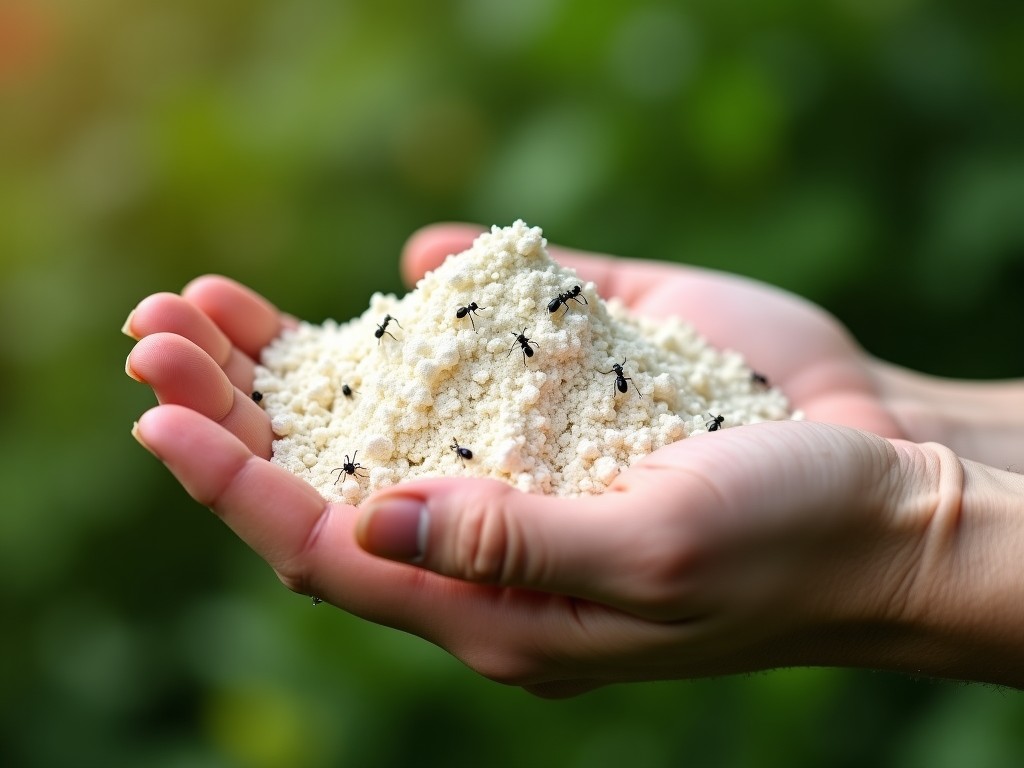
B2B Diatomaceous Earth For Ants In Vegetable Garden
B2B Diatomaceous Earth for Ant Control in Vegetable Gardens
Diatomaceous earth (DE) is a naturally occurring siliceous sediment composed of fossilized diatom frustules. When milled to a specific particle size range, it functions as a mechanical insecticide against ants by damaging their exoskeletal wax layer, leading to dehydration. This product is supplied in bulk for commercial growers seeking a non‑chemical barrier that integrates with integrated pest management (IPM) programs in vegetable production.
Composition and Physical Characteristics
The material consists of >85% amorphous silicon dioxide (SiO₂) with trace amounts of aluminum oxide and iron oxide. Typical bulk density ranges from 0.30 to 0.45 g/cm³, influencing handling and application rates. Moisture content is maintained below 5% to preserve flowability and prevent clumping during storage.
Mode of Action Against Ant Colonies
Ant workers contacting DE particles experience abrasion of the cuticular lipids, increasing cuticular permeability. Water loss exceeds uptake, resulting in desiccation mortality within 24‑48 hours under field conditions. Because the mechanism is purely physical, resistance development is unlikely, and the product remains effective after rain re‑application once the surface dries.
Application Guidelines for Vegetable Crops
Apply a uniform layer of 1‑2 mm thickness around plant bases, along ant trails, and at entry points to garden beds. Use a calibrated broadcast spreader or hand‑held shaker to achieve an application rate of 10‑15 g/m². Re‑apply after irrigation or rainfall that removes the deposited layer. Avoid direct contact with foliage to prevent unnecessary abrasion on leaf surfaces.
Technical Specifications
| Parameter | Typical Value | Test Method |
|---|---|---|
| Silicon Dioxide (SiO₂) Content | ≥85 % | X‑ray fluorescence (XRF) |
| Particle Size (D50) | 10‑20 µm | Laser diffraction |
| Moisture Content | ≤5 % | Thermogravimetric analysis (TGA) |
| Bulk Density | 0.30‑0.45 g/cm³ | ASTM C29 |
| pH (10 % slurry) | 7.5‑9.0 | Electrometric |
Packaging and Storage
Product is supplied in multi‑wall polyethylene bags with an outer polypropylene layer, each containing 25 kg net weight. Bags are palletized (40 bags per pallet) and stretch‑wrapped for stability. Store in a dry, covered area away from direct sunlight; maintain temperature below 35 °C to prevent premature moisture uptake.
Quality Assurance
Each batch undergoes raw material verification for SiO₂ content, particle size distribution, and moisture level. Finished product is sampled for bulk density and pH. Documentation includes a Certificate of Analysis (CoA) referencing the applicable test methods. No synthetic additives are introduced; the material remains a naturally sourced mineral.
Frequently Asked Questions
- Can the particle size be adjusted for specific application equipment? Yes, milling parameters can be modified to achieve D50 values between 5 µm and 30 µm based on customer specifications.
- What information is required for a quotation? Required details include target application rate, total volume needed, preferred packaging size, and delivery destination.
- Is the product compliant with organic farming standards? The diatomaceous earth is listed as a permitted substance under many organic certification programs; users should verify with their specific certifier.
- How are export shipments protected against moisture? Shipments incorporate desiccant packs within the pallet wrap and utilize water‑resistant outer pallet covers.
For technical data sheets, sample requests, or to discuss custom grading options, please contact our sales engineering team.
Request Information