
Benefits Of Consuming Diatomaceous Earth For Humans
Benefits of Consuming Diatomaceous Earth for Humans
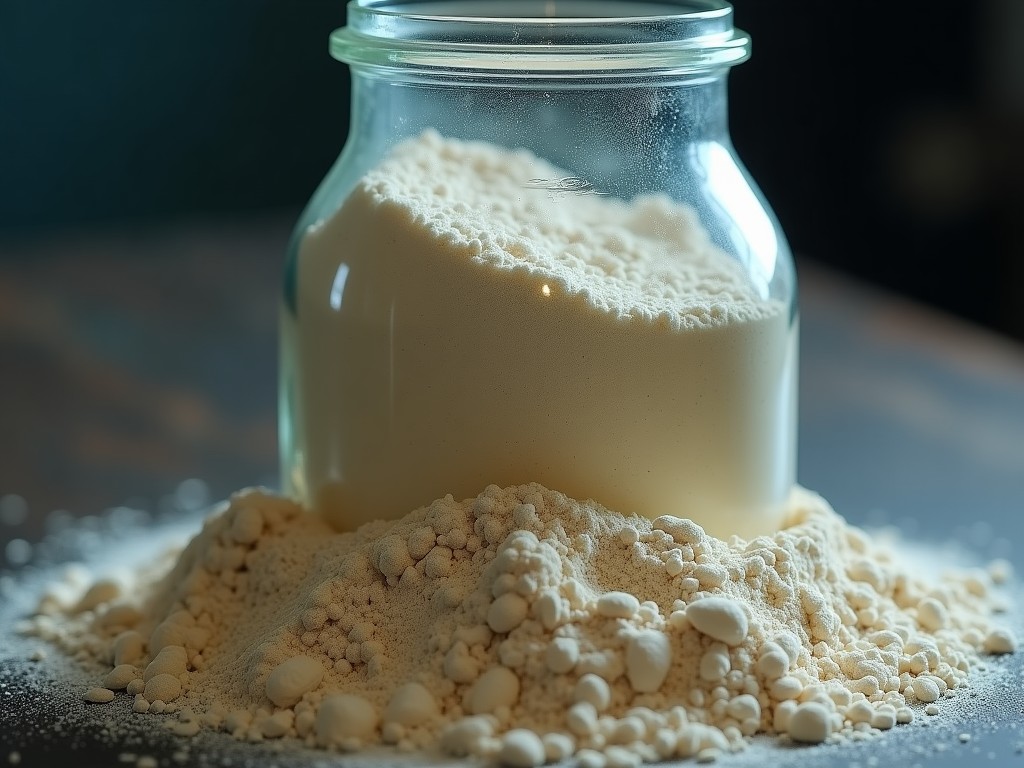
Diatomaceous earth is a naturally occurring siliceous sediment derived from fossilized algae (diatoms). It consists mainly of amorphous silicon dioxide with minor amounts of metal oxides. Food‑grade material is processed to meet strict purity limits for heavy metals and microbial contamination.
The typical chemical assay shows 85–90 % SiO₂, 2–5 % Al₂O₃, 0.5–2 % Fe₂O₃, and trace levels of calcium, magnesium, and sodium. Particle size distribution for the food grade fraction is usually below 10 µm, with a specific surface area of 20–30 m²/g.
Chemical Composition and Physical Properties
The amorphous nature of the silica ensures low bioavailability of crystalline forms, which is critical for safety. Loss on ignition (LOI) typically ranges from 4 to 6 % at 1000 °C, reflecting bound water and organic residues. Bulk density of the powder falls between 0.2 and 0.35 g/cm³, influencing flow characteristics in mixing equipment.
- Silicon dioxide (SiO₂): 85–90 % (amorphous)
- Aluminum oxide (Al₂O₃): 2–5 %
- Iron oxide (Fe₂O₃): 0.5–2 %
- Loss on ignition (LOI): 4–6 %
- Bulk density: 0.20–0.35 g/cm³
- Median particle size (D₅₀): <10 µm
Mechanism of Action in the Human Body
When ingested, the silica particles remain largely unchanged in the gastrointestinal tract due to their low solubility at neutral pH. They can adsorb certain molecules, including lipids and certain toxins, through surface interactions. A small fraction (<1 %) may dissolve to orthosilicic acid, which is the bioavailable form of silicon implicated in collagen synthesis.
The transit time through the gut allows the particles to act as a mild abrasive, potentially aiding in the removal of adhered material from the intestinal mucosa. This mechanical action is considered secondary to any chemical binding effects.
Reported Health Benefits (based on available studies)
Some observational studies suggest that daily intake of food‑grade diatomaceous earth may contribute to modest reductions in serum LDL cholesterol, possibly via bile acid binding. Other reports note improvements in nail and hair brittleness, attributed to increased silicon availability for keratin formation.
Silicon is also implicated in bone mineralization; limited clinical trials have shown a correlation between silicon intake and increased bone density markers. However, the evidence remains preliminary and larger scale trials are needed to confirm efficacy.
No claims of disease treatment can be made; the material is marketed as a dietary supplement to support general wellness.
Safety Profile and Toxicological Considerations
Food‑grade diatomaceous earth has been granted GRAS (Generally Recognized As Safe) status by the FDA for use as an anti‑caking agent and filter aid. The primary safety concern is inhalation of fine dust, which can cause respiratory irritation; oral ingestion does not pose a systemic toxicity risk at typical consumption levels.
Heavy metal limits for food grade material are usually set below 10 ppm for lead, arsenic, cadmium, and mercury, verified by ICP‑MS testing. Microbial specifications require absence of Salmonella and coliforms below 10 CFU/g.
- GRAS status for anti‑caking and filtration uses
- No systemic toxicity reported at dietary intake levels
- Inhalation hazard limited to occupational dust exposure
- Heavy metal limits: Pb, As, Cd, Hg <10 ppm
- Microbial: Salmonella absent, coliforms <10 CFU/g
Recommended Usage and Dosage Forms
Typical serving sizes for adult consumers range from 1 to 2 teaspoons (approximately 2–4 g) of powder dispersed in water, juice, or a smoothie, taken once daily. Capsule formulations often contain 500 mg of powder per unit, allowing a controlled dosage.
The product is also used as a technical additive in food processing (e.g., as an anti‑caking agent in powdered mixes) where the functional level is limited to 2 % of the final product weight.
| Dosage Form | Typical Silicon Content | Common Use |
|---|---|---|
| Loose powder | 85–90 % SiO₂ | Daily supplement (1–2 tsp) |
| Hard‑shell capsule | 500 mg powder (~425 mg SiO₂) | Controlled daily dose |
| Anti‑caking additive | 85–90 % SiO₂ | Powdered food mixes (≤2 %) |
Quality Specifications and Testing
Manufacturers test each lot for loss on ignition, pH (typically 7–9 in a 10 % slurry), silica content, and particle size distribution via laser diffraction. Certificates of analysis include results for heavy metals, microbiology, and radiological parameters.
| Parameter | Typical Value | Test Method |
|---|---|---|
| Silicon Dioxide (SiO₂) | 85–90 % | X‑ray fluorescence (XRF) |
| Loss on Ignition (LOI) | 4–6 % | Gravimetric at 1000 °C |
| pH (10 % slurry) | 7–9 | Electrometric |
| Bulk Density | 0.20–0.35 g/cm³ | ASTM B212 |
| Median Particle Size (D₅₀) | <10 µm | Laser diffraction |
| Lead (Pb) | <10 ppm | ICP‑MS |
| Arsenic (As) | <10 ppm | ICP‑MS |
| Cadmium (Cd) | <10 ppm | ICP‑MS |
| Mercury (Hg) | <10 ppm | ICP‑MS |
| Total Plate Count | <10⁴ CFU/g | ISO 4833 |
Applications in Human Nutrition
Beyond direct consumption, diatomaceous earth functions as a processing aid in the production of dietary supplements, protein powders, and powdered beverage mixes, where its adsorptive capacity helps prevent caking and improves flow. Its inert nature ensures it does not interact with active ingredients.
Frequently Asked Questions
- Is diatomaceous earth safe for long‑term use?Food‑grade material has a history of safe use as an anti‑caking agent; long‑term studies show no adverse effects at recommended intakes.
- Can the product be customized for specific particle size?Yes, milling and classification can adjust the D₅₀ range; specifications are available upon request.
- What documentation supports the GRAS status?The FDA’s GRAS notice database lists diatomaceous earth for anti‑caking and filtration uses; copies of the notice can be provided.
Contact for Technical Inquiry
For detailed specifications, sample requests, or formulation support, please contact our technical service team.
Request technical datasheet