
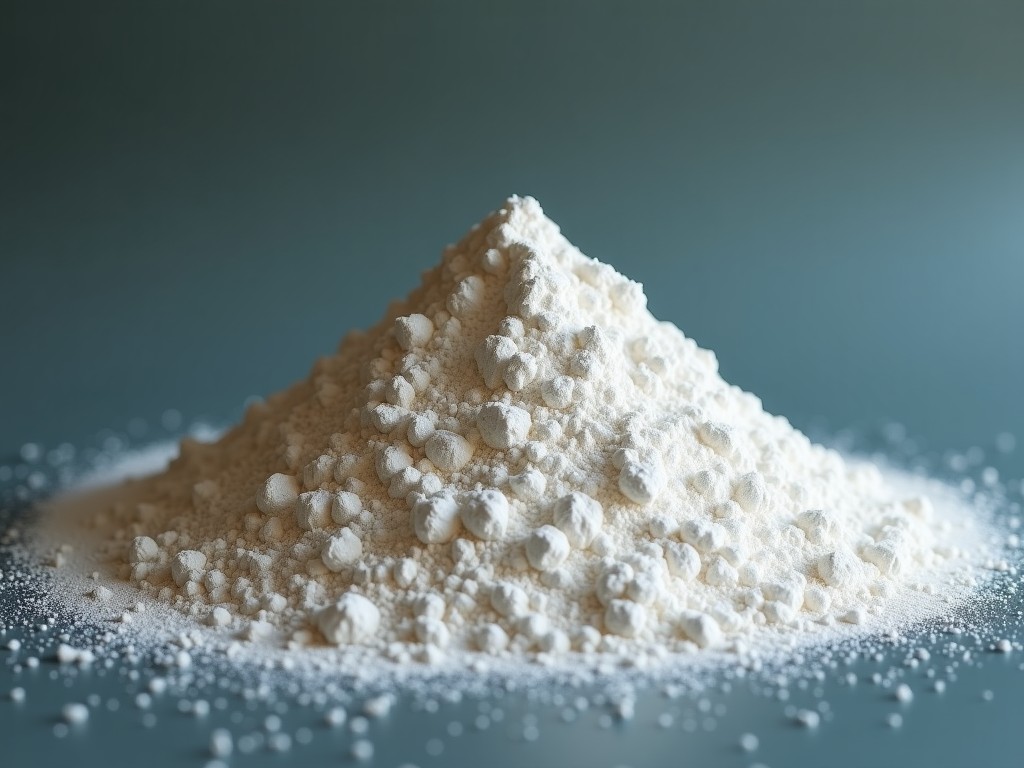
Bulk Diatomaceous Earth For Giardia In Humans
Bulk Diatomaceous Earth for Giardia Control in Humans
Diatomaceous earth (DE) is a naturally occurring siliceous sediment composed of fossilized diatom frustules. When processed to specific particle size ranges, it exhibits mechanical properties that can interfere with the life cycle of certain intestinal protozoa, including Giardia lamblia.
The material is amorphous silica, typically containing 80‑90% SiO₂ with trace amounts of Al₂O₃, Fe₂O₃, and CaO. Its efficacy depends on the sharpness of the microscopic edges and the porosity of the individual particles, which remain intact after low‑temperature milling.
Particle Size Distribution and Mechanism
For anti‑giardial applications, the product is milled to a d₅₀ between 10 and 20 µm, with a d₉₀ below 45 µm. This range ensures that particles remain suspended in the gastrointestinal tract long enough to encounter trophozoites while being large enough to avoid rapid systemic absorption.
The mechanism is purely physical: the abrasive surface of the silica particles disrupts the outer membrane of Giardia trophozoites, leading to loss of osmotic regulation and eventual cell lysis. No chemical toxicity is involved, which reduces the risk of host tissue irritation when used at recommended doses.
Safety and Handling Characteristics
The bulk material is classified as a nuisance dust; inhalation protection is recommended during handling. It is non‑flammable, chemically inert under normal storage conditions, and does not react with common excipients used in oral formulations.
Loss on drying (LOD) is typically below 5 % at 105 °C, indicating minimal adsorbed moisture. pH of a 10 % aqueous slurry falls between 7 and 8, indicating near‑neutral behavior in gastrointestinal fluids.
Technical Specifications
| Parameter | Typical Value | Notes |
|---|---|---|
| SiO₂ Content | 85‑92 wt % | Determined by XRF |
| d₅₀ (Laser Diffraction) | 12‑18 µm | Adjustable per milling protocol |
| d₉₀ | < 45 µm | Ensures GI tract retention |
| Specific Surface Area (BET) | 12‑18 m²/g | Correlates with abrasive edge density |
| Loss on Drying (105 °C, 2 h) | < 5 wt % | Low moisture improves flowability |
| pH (10 % slurry) | 7.0‑8.0 | Measured at 25 °C |
Quality Assurance Practices
Each batch undergoes laser diffraction for particle size verification and X‑ray fluorescence for silica content. A representative sample is tested for microbial limits (total aerobic count < 10³ CFU/g) to confirm absence of contaminants that could affect oral use.
Flowability is assessed via Hall‑flow funnel; values typically range between 25‑35 s/50 g, indicating suitable behavior for bulk handling and encapsulation processes.
Packaging Options
- Multi‑wall polyethylene‑lined kraft bags, 25 kg net weight, suitable for palletized storage.
- Food‑grade polypropylene drums, 200 L capacity, with tamper‑evident lids for high‑purity grades.
- Flexible intermediate bulk containers (FIBCs), 1000 kg, with anti‑static lining for dust‑controlled environments.
All packaging materials comply with FDA 21 CFR §177.1520 for indirect food contact where applicable.
Inquiry
To discuss technical suitability, request a sample, or obtain a quotation tailored to your formulation volume, please reach out using the links below.