
Bulk Silica Sand For Sale Suppliers
Bulk Silica Sand for Sale – Supplier Overview
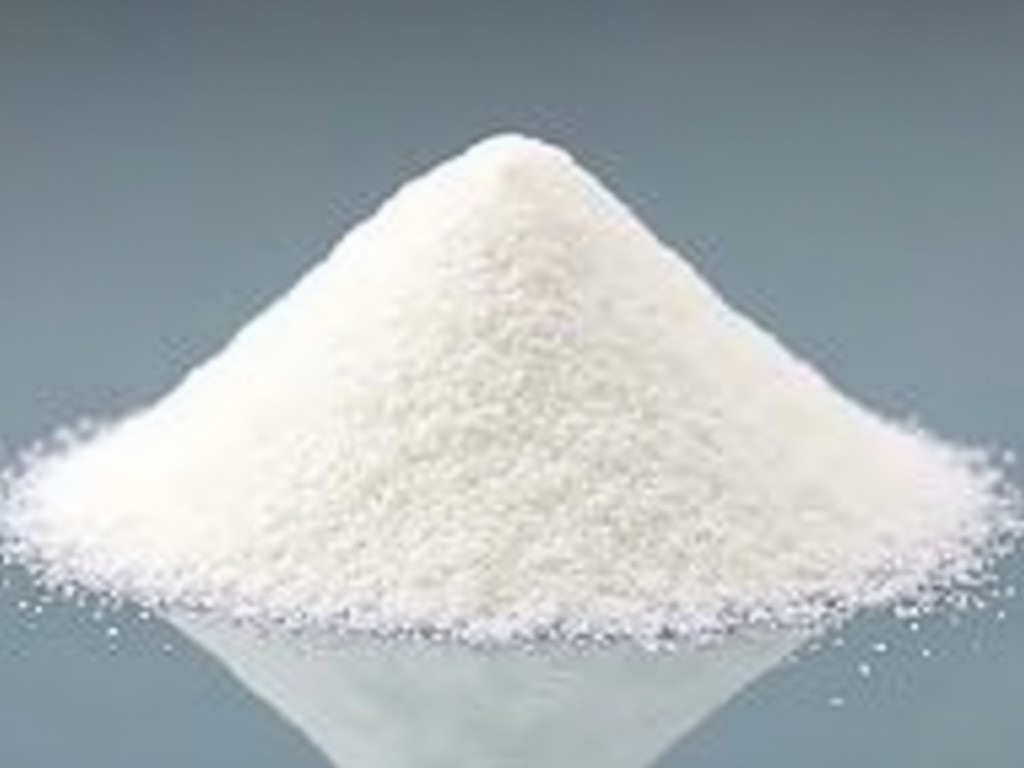
Silica sand consists primarily of silicon dioxide (SiO₂) in a granular form derived from quartz deposits. Its bulk handling characteristics depend on particle shape, size distribution, and moisture content.
Typical bulk material is screened to meet specific grading requirements, which influence flowability and packing density in downstream processes. For industrial use, the sand is often classified by effective size (D10) and uniformity coefficient (Cu). These parameters determine how the sand behaves under vibration, compaction, or fluid flow.
Chemical purity is expressed as weight percent SiO₂, with common commercial grades ranging from 96% to 99.8%. Impurities such as iron oxide (Fe₂O₃), aluminum oxide (Al₂O₃), and loss on ignition (LOI) affect refractoriness and chemical compatibility. Suppliers provide assay reports showing typical limits for each constituent.
Physical attributes include specific gravity around 2.65 g/cm³, Mohs hardness of 7, and a predominantly angular to sub‑angular grain shape resulting from crushing and screening. Grain shape affects interlocking and abrasion resistance in applications like foundry molds or abrasive blasting. Bulk density typically falls between 1.4 and 1.6 t/m³ when loosely poured and up to 1.8 t/m³ when compacted.
In foundry operations, silica sand serves as the primary molding medium because its high melting point and thermal stability allow it to withstand molten metal temperatures exceeding 1600 °C without significant deformation. The angular grain shape promotes good mold strength and permeability, enabling gas escape during casting. In glass manufacturing, low iron content is critical; silica sand with Fe₂O₃ below 0.03 % yields clear glass with minimal coloration. For water filtration, uniform effective size and low turbidity ensure consistent flow rates and particle retention.
- Foundry molding – high refractoriness and permeability for metal casting.
- Glass production – low iron content for optical clarity.
- Water filtration – uniform grain size for efficient particle capture.
- Hydraulic fracturing – proppant strength and conductivity under pressure.
- Abrasive blasting – angular grains provide consistent surface preparation.
| Parameter | Typical Range | Test Method |
|---|---|---|
| SiO₂ content | 96 % – 99.8 % | ASTM C136 |
| Fe₂O₃ | ≤ 0.05 % | ASTM D854 |
| Al₂O₃ | ≤ 0.5 % | ASTM D854 |
| Loss on ignition (LOI) | ≤ 0.5 % | ASTM D1203 |
| Effective size (D10) | 0.1 mm – 0.5 mm | ASTM C136 |
| Uniformity coefficient (Cu) | 1.5 – 3.0 | ASTM C136 |
| Specific gravity | 2.65 g/cm³ (typical) | ASTM D854 |
| Bulk density (loose) | 1.4 – 1.6 t/m³ | ASTM C29 |
| Moisture content | ≤ 0.2 % | ASTM D2216 |
Quality control follows a systematic sampling plan: incremental samples are taken from each truckload or railcar, combined to form a composite, and tested for chemical composition and gradation. Testing frequency meets or exceeds industry standards, with results documented in a certificate of analysis accompanying each shipment. Continuous monitoring of crushing and screening equipment ensures consistent particle shape and size distribution.
Bulk silica sand is shipped in dry, moisture‑protected conditions to prevent clumping and maintain flowability. Common packaging options include loose bulk in pneumatic trailers, railcars with covered hoppers, and reusable super‑sacks lined with polyethylene barriers. For export, containers are fitted with desiccant packs and sealed with moisture‑proof tape to meet international humidity specifications.
Suppliers can tailor the product to specific process requirements. Services include rotary drying to achieve target moisture, precise re‑screening to narrow gradation bands, and blending of different silica sources to adjust chemical traits. Surface treatments such as acid washing or coating with anti‑adhesive agents are available upon request to enhance performance in aggressive environments.
Frequently Asked Questions
Can dimensions be customized? Yes, the sand can be dried, screened, and blended to meet precise D10, D50, and D90 values as defined by the client’s specification.
What information is required before quotation? Required details include intended application, required SiO₂ purity, grading limits, maximum allowable impurity levels, quantity, delivery schedule, and any special packaging or treatment needs.
How is quality inspected? Each lot undergoes chemical analysis (XRF or ICP), sieve analysis for gradation, and moisture content testing. Results are compiled into a certificate of analysis that accompanies the shipment.
What packaging methods are available? Options include loose bulk in pneumatic trailers, rail hoppers, reusable super‑sacks with inner liners, and containerized shipments with moisture protection.