
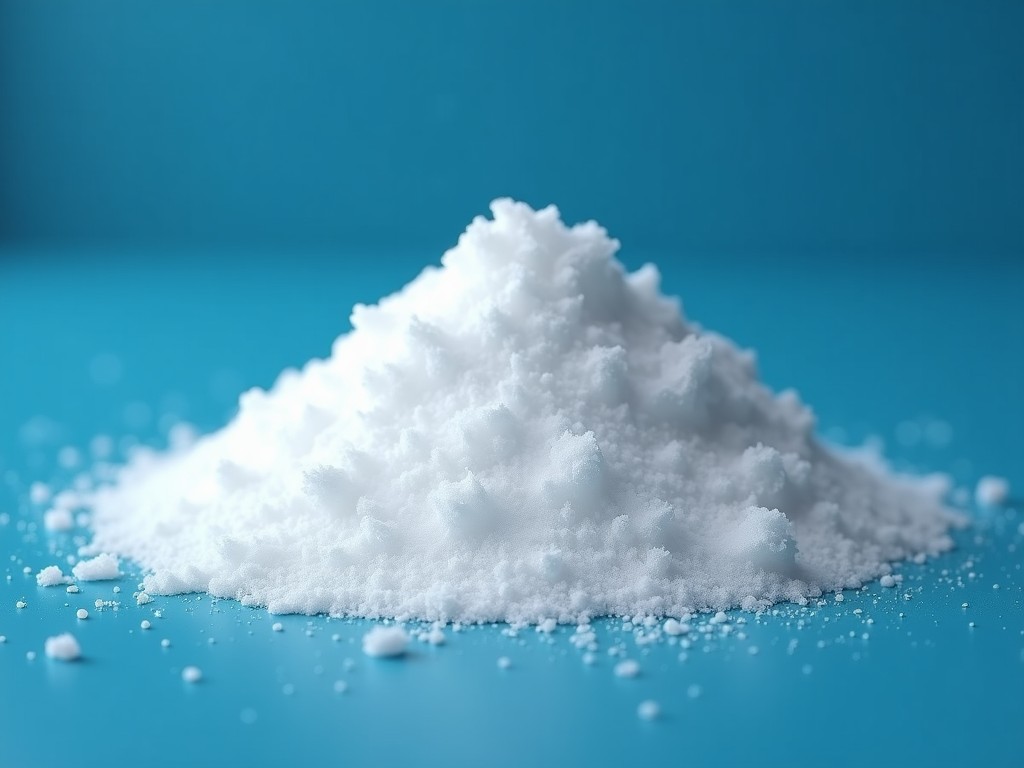
Buy Industrial Use Of Silicon Dioxide
Industrial Silicon Dioxide for Manufacturing Applications
Silicon dioxide, commonly known as silica, exists in crystalline and amorphous forms. In industrial settings, amorphous silica is preferred due to its inertness, high surface area, and controllable particle morphology. These attributes enable precise performance in filler, rheology, and adsorption roles across multiple processes.
Key Technical Properties
| Property | Typical Value | Test Method |
|---|---|---|
| Primary Particle Size (D50) | 5–30 µm (adjustable) | Laser diffraction |
| Specific Surface Area (BET) | 50–300 m²/g | BET nitrogen adsorption |
| Loss on Ignition (LOI, 1000 °C) | ≤0.5 wt% | Thermogravimetric analysis |
| pH (10 wt% slurry) | 4–7 (depends on surface treatment) | pH meter |
| Bulk Density (tapped) | 0.3–0.6 g/cm³ | ASTM D7481 |
Typical Industrial Applications
In rubber compounding, silica acts as a reinforcing filler that improves tensile strength and abrasion resistance while reducing hysteresis loss. The silanol groups on its surface can be silanized to form covalent bonds with polymer matrices, enhancing filler–polymer interaction.
For coatings and inks, amorphous silica provides flattening and anti‑settling effects. Its high surface area adsorbs solvents, adjusting viscosity and preventing pigment sedimentation during storage.
In food processing, silica functions as an anti‑caking agent for powdered products. The material’s inertness and low solubility meet FDA 21 CFR 184.1855 limits for direct food contact when produced under appropriate hygiene controls.
Electronic encapsulants use silica as a filler to tailor thermal expansion coefficients and improve moisture resistance. Precise control over particle size distribution minimizes stress cracking during thermal cycling.
Available Grades and Customization Options
- Standard amorphous silica – D50 10 µm, BET 150 m²/g, untreated surface.
- Hydrophobic grade – silane‑treated (e.g., octylsilane) to reduce moisture uptake, LOI <0.2 wt%.
- Low‑iron grade – Fe₂O₃ ≤0.01 wt% for optical and electronic applications.
- Ultra‑fine grade – D50 <2 µm, BET >250 m²/g for high‑transparency coatings.
Particle size, surface treatment, and purity can be adjusted according to project specifications. Custom grades are developed through controlled precipitation or flame hydrolysis processes, allowing tight tolerances on D10, D50, D90 and surface chemistry.
Quality Assurance and Testing
Each batch undergoes laser diffraction for particle size distribution, BET analysis for surface area, thermogravimetric analysis for LOI, and ICP‑OES for trace metal content. Results are recorded against internal specifications and supplied with a Certificate of Analysis.
Process monitoring includes pH control during synthesis and filtration efficiency checks to ensure consistent agglomeration state. These controls minimize batch‑to‑batch variation, supporting reliable performance in high‑volume production lines.
Frequently Asked Questions
Can the particle size distribution be customized?
Yes. The precipitation parameters (pH, temperature, agitation) and post‑treatment milling allow tailoring of D10, D50, D90 within the ranges indicated above. Specific targets are discussed during quotation.
What information is needed for a quote?
Required details include intended application, required particle size range, surface treatment (hydrophilic/hydrophobic), purity limits, order volume, and preferred packaging (e.g., 25 kg bags, bulk sacks).
How is product quality verified?
Each lot is accompanied by a Certificate of Analysis showing laser diffraction, BET, LOI, pH, and metal impurity results. Additional testing such as rheological evaluation in a reference polymer can be arranged upon request.
For technical consultation or to request a sample, please contact our sales engineering team.
Request Quote & Sample