
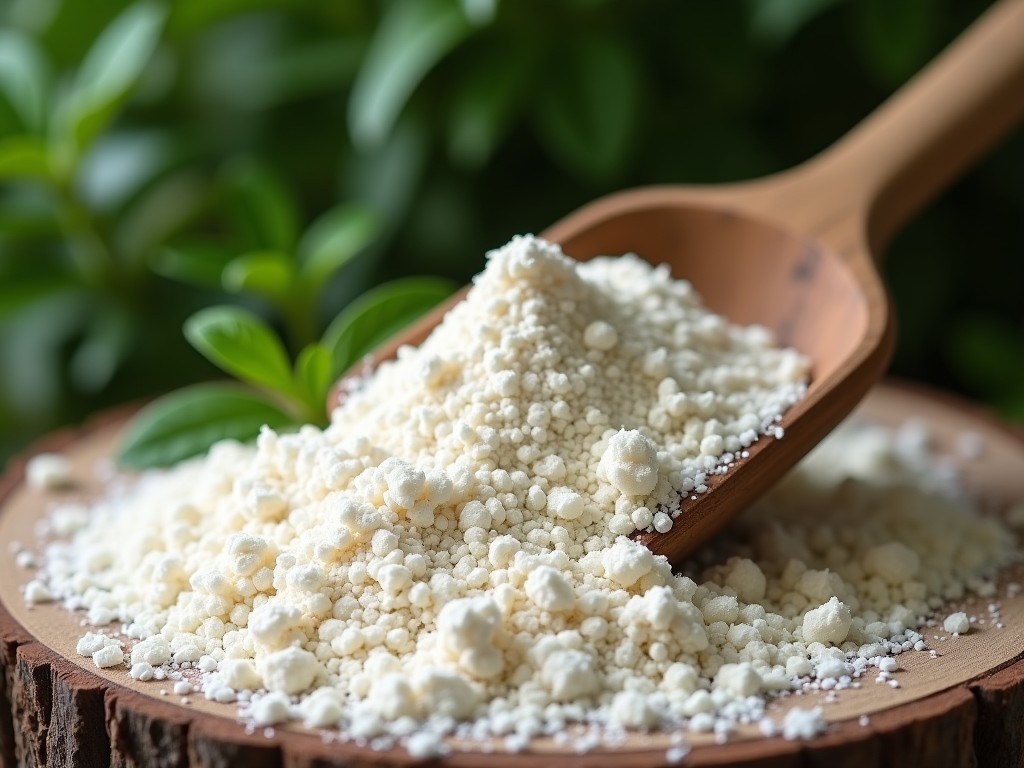
Cheap Diatomaceous Earth For Garden Pests And Insects
Cheap Diatomaceous Earth for Garden Pest Control
Diatomaceous earth (DE) is a naturally occurring siliceous sediment composed of fossilized diatom frustules, primarily amorphous silicon dioxide (SiO₂). In its milled form for pest control, the material retains a high porosity and sharp microscopic edges that interact physically with insect exoskeletons.
How Diatomaceous Earth Controls Insects
The mode of action relies on two physical mechanisms: absorption of lipids from the cuticle and abrasive damage to the waxy layer. This leads to dehydration and mortality without chemical toxicity, making it suitable for integrated pest management programs.
Technical Specifications
| Property | Typical Value |
|---|---|
| Amorphous SiO₂ content | ≥85 % |
| Crystalline silica (quartz) | ≤1 % |
| Particle size (D50) | 10‑20 µm |
| Bulk density | 0.3‑0.5 g cm⁻³ |
| Moisture content | ≤5 % |
| pH (suspension) | 7‑9 |
Mode of Action in Garden Pest Management
When insects crawl over a dust layer, the fine particles adhere to the cuticle and scratch the protective wax. Simultaneously, the porous structure absorbs cuticular oils, accelerating water loss. This dual action results in rapid desiccation, typically within 24‑48 hours under field conditions.
Target Pests and Application Rationale
Common garden pests controlled include aphids, thrips, slugs, beetles, and caterpillars. Because the product acts mechanically, resistance development is unlikely, and it can be used alongside biological controls without harming beneficial insects when applied judiciously.
Usage Guidelines
- Apply as a dry dust to foliage, soil surface, or around plant bases using a handheld duster or shaker.
- Recommended rate: 10‑20 g m⁻² for leaf coverage; reapply after rain or irrigation to maintain effectiveness.
- Ensure uniform distribution to avoid clumping, which reduces contact efficiency.
- Wear a dust mask during application to avoid inhalation of fine particles.
Quality Assurance and Purity Considerations
Each lot is tested for amorphous silica content, crystalline silica fraction, moisture, and pH. The product is classified as food‑grade, with crystalline silica kept below 1 % to minimize inhalation risk. Bulk shipments include a certificate of analysis and safety data sheet.
Packaging Options
- 25 kg multi‑wall paper bags with inner polyethylene liner for mid‑size operations.
- 500 g resealable pouches suited for small‑scale garden use and retail.
- Bulk super‑sacks (500 kg) available upon request for large distributors.
Frequently Asked Questions
Q: Is this product food‑grade safe for use around edible plants?
A: Yes, the material meets food‑grade standards with amorphous silica content >85 % and crystalline silica below 1 %, making it suitable for vegetable gardens when applied according to label directions.
Q: Can the particle size be customized for specific application equipment?
A: Standard milling yields a D50 of 10‑20 µm; finer or coarser grades can be produced upon request to match duster nozzle specifications.
Q: What documentation is provided with each shipment?
A: Each batch includes a certificate of analysis (SiO₂ content, moisture, pH) and a safety data sheet (SDS) detailing handling precautions.
Contact for Technical Inquiry or Sample Request
For further details on specifications, custom sizing, or to arrange a sample, please reach out via the contact form.
Request Quote or Sample