
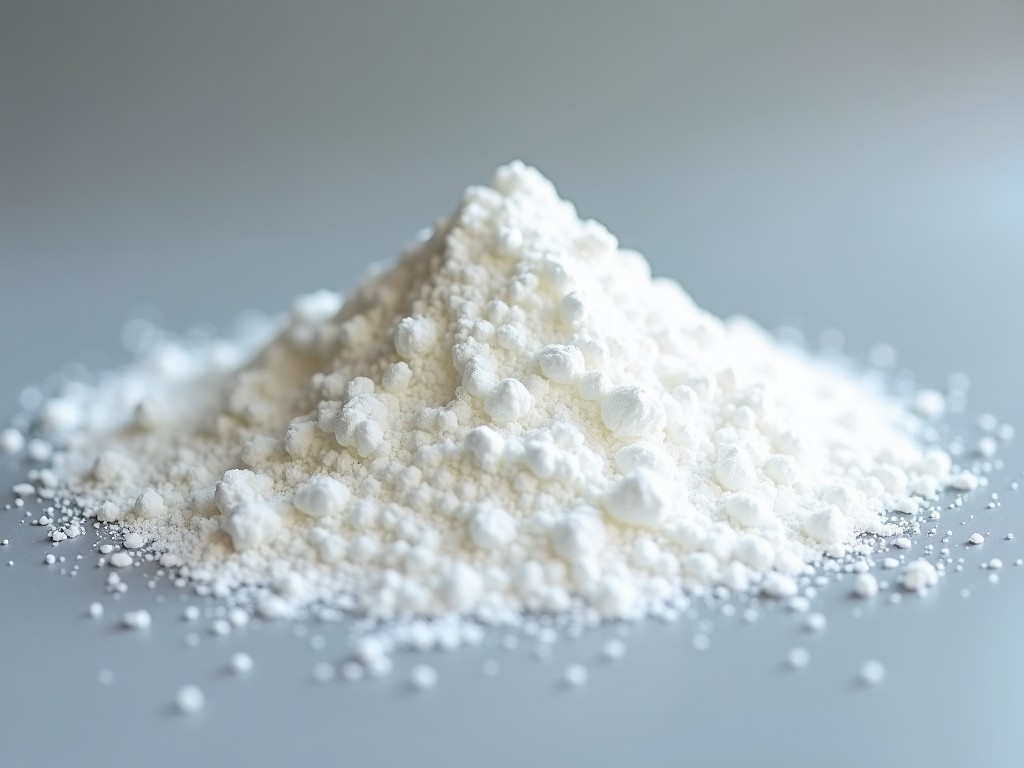
Cheap Untreated Fumed Silica Powder
Cheap Untreated Fumed Silica Powder
Fumed silica is a synthetic amorphous silicon dioxide produced by flame hydrolysis of silicon tetrachloride. In its untreated form the surface retains silanol groups, which influence polarity, hydrogen‑bonding capacity, and interaction with polymeric matrices. The low cost variant discussed here is manufactured with optimized reactor conditions to reduce energy consumption while maintaining the core physicochemical attributes required for industrial filler applications.
Key Technical Characteristics
Primary particle size typically falls between 5 nm and 50 nm, resulting in a high specific surface area measured by BET analysis. Untreated grades commonly exhibit surface areas ranging from 100 m²/g to 380 m²/g, depending on flame temperature and residence time. The structure is characterized by three‑dimensional chain‑like aggregates that contribute to thickening and reinforcement mechanisms without significantly increasing density.
- Loss on ignition (LOI) ≤ 2 % wt, indicating minimal volatile content.
- pH of aqueous dispersion (5 % wt) typically between 3.5 and 4.5 due to surface silanol acidity.
- Tapped density generally between 40 kg/m³ and 80 kg/m³, reflecting low bulk density of the aerosol‑formed powder.
- Electrical resistivity > 10¹² Ω·cm, confirming insulating behavior.
Typical Applications and Rationale
In adhesive and sealant formulations, untreated fumed silica acts as a rheology modifier, providing shear‑thinning behavior that prevents sagging while allowing easy extrusion. The silanol groups interact with polymer chains through hydrogen bonding, increasing viscosity at low shear rates without compromising cure kinetics.
When used as a reinforcing filler in silicone rubber, the nano‑sized particles disperse within the polymer matrix, creating a network that enhances tear strength and tensile modulus. The untreated surface promotes physical adsorption rather than chemical bonding, which is advantageous when post‑cure surface modification is planned.
In coating systems, the powder improves anti‑settling of pigments and provides sag resistance. Its low refractive index minimizes opacity changes, making it suitable for clear coats where transparency is required.
The material also functions as a flow aid in powders and granules, reducing interparticle friction and improving dosing accuracy in pharmaceutical and food processing equipment.
Specification Table
| Property | Typical Value | Unit | Notes |
|---|---|---|---|
| Primary Particle Size | 5–50 | nm | Determined by TEM/SEM |
| BET Surface Area | 100–380 | m²/g | Variability with flame conditions |
| Loss on Ignition | ≤ 2 | % wt | Measured at 1000 °C |
| pH (5 % wt dispersion) | 3.5–4.5 | – | Reflects surface silanol acidity |
| Tapped Density | 40–80 | kg/m³ | Dependent on aggregation state |
Quality Control Considerations
Consistency is verified through routine BET surface area testing, LOI analysis, and particle size distribution via laser diffraction. Moisture content is monitored because adsorbed water can temporarily mask silanol activity; therefore, storage in sealed containers with desiccant is recommended. Batch‑to‑batch variation in aggregate structure is assessed using small‑angle X‑ray scattering to ensure predictable rheological performance.
Packaging and Handling
The product is hygroscopic; exposure to ambient humidity can lead to reversible hydrogen‑bonded agglomerates that reduce effective surface area. Standard packaging includes multi‑wall paper bags with inner polyethylene liners, optionally placed inside rigid drums for bulk shipments. For sensitive applications, nitrogen‑purged foil bags are available upon request. Handling should avoid excessive mechanical agitation that could cause localized heating and premature sintering of particles.
Customization Options
While the base grade remains untreated, customers may request controlled agglomeration levels to improve dispersibility in specific solvents. Surface modification with silanes or siloxanes can be arranged as a downstream step if hydrophobic or organofunctional characteristics are needed. Particle size distribution can be narrowed through post‑production classification, although this may affect cost.
Frequently Asked Questions
Can the powder be supplied in different moisture specifications?
Yes. Standard material contains equilibrium moisture (< 0.5 % wt) at 25 % RH. Dry‑grade versions with < 0.1 % wt moisture are achievable via vacuum drying and are suitable for moisture‑sensitive formulations.
What information is required for a quotation?
Desired quantity, packaging preference, target surface area range, and any required documentation (e.g., SDS, REACH compliance). If custom agglomeration or surface treatment is contemplated, specify the intended solvent or polymer system.
How is quality inspected before shipment?
Each lot undergoes BET surface area, LOI, and pH testing. A representative sample is retained for third‑party verification if requested. Results are reported in a certificate of analysis accompanying the shipment.
What lead times can be expected?
Standard lead time is 2–3 weeks for stocked grades. Customized specifications may extend lead time to 4–6 weeks depending on the complexity of the requested modification.
Request for Quote
To obtain a formal quotation or discuss technical suitability for your process, please provide the details outlined above. Our engineering team will review the requirements and respond with a tailored proposal, including lead time, pricing, and any necessary safety data.