
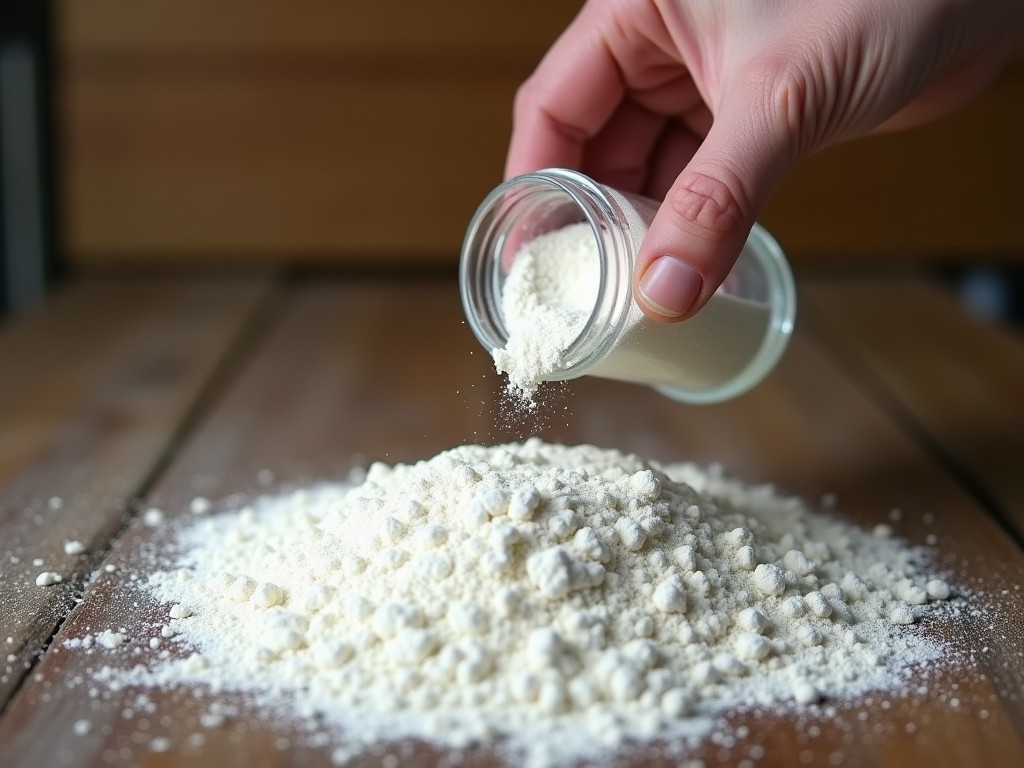
Diatomaceous Earth Bug Killer How To Use
Diatomaceous Earth Bug Killer: Technical Overview and Usage Instructions
Diatomaceous earth (DE) is a naturally occurring siliceous sediment composed of fossilized diatom frustules. When milled to a specific particle size range, it functions as a mechanical insecticide that relies on physical interaction rather than chemical toxicity.
Mechanism of Action
The sharp edges of DE particles abrade the waxy cuticle of insects, creating microscopic wounds. Simultaneously, the highly porous structure absorbs lipids and waxes from the epicuticle, accelerating water loss. This combined abrasive‑adsorptive action leads to desiccation and mortality, typically within 24 to 48 hours under ambient conditions.
Product Characteristics
Typical specifications for food‑grade DE used in pest control are outlined below. Values represent common ranges observed across multiple sources; actual figures can vary with source material and processing.
| Property | Typical Range |
|---|---|
| Particle size (µm) | 10 – 200 |
| Moisture content (% w/w) | < 5 |
| Amorphous SiO₂ content (%) | 80 – 90 |
| Bulk density (g/cm³) | 0.30 – 0.50 |
| Specific surface area (m²/g) | ≈ 65 |
| pH (10 % slurry) | 8 – 10 |
When moisture exceeds approximately 8 % w/w, pore filling reduces abrasive efficiency and particle edges become less sharp, diminishing insecticidal performance.
Recommended Application Methods
Application method influences both efficacy and operator exposure. Selecting a technique that matches the target habitat and infestation level improves control while reducing unnecessary dust generation.
- Perimeter barrier: Apply a continuous 2‑mm band along foundations or shelving using a hand‑held duster; re‑apply after heavy rain or cleaning.
- Stored product protection: Dust the interior surfaces of grain bins or silos at a rate of 1–2 g/m², ensuring even coverage before loading commodity.
- Livestock bedding: Mix DE into bedding material at 0.5 % w/w to reduce fly larvae and mite populations; re‑mix weekly to maintain distribution.
- Crack and crevice treatment: Use a bulb duster to place DE into voids where insects harbor; the product remains active as long as it stays dry.
Handling and Safety
Although DE is classified as low toxicity, respirable dust poses a mechanical irritation risk. Using a dust mask rated for particulate filtration (e.g., N95) and applying the product with a low‑pressure dispenser minimizes airborne concentrations.
Avoid prolonged skin contact; wash hands with soap after handling. The material is inert in the environment and does not bioaccumulate, but excess application should be swept up to prevent unnecessary dust generation in non‑target areas.
Storage and Stability
DE retains its insecticidal properties as long as it remains dry. Moisture uptake above 8 % w/w reduces abrasive effectiveness by filling pore spaces and smoothing particle edges. Store in sealed containers away from direct water sources and maintain ambient temperature below 30 °C to limit clumping.
Frequently Asked Questions
Q: Can the particle size be adjusted for specific applications?
A: Yes, milling parameters can be modified to produce finer or coarser grades; consult technical support to match the desired permeability and abrasive characteristics.
Q: Is the product effective against insects with hardened exoskeletons such as beetles?
A: Efficacy depends on exposure time and dosage; larger, more sclerotized species may require higher application rates or longer contact periods.
Q: What information is needed to obtain a quotation?
A: Required details include target pest species, application environment (indoor/outdoor, humidity), required quantity, and any specific packaging or labeling requirements.
Technical Inquiry
For assistance with grade selection, application rate calculations, or to request a sample, contact our applications engineering team.
Contact Us