
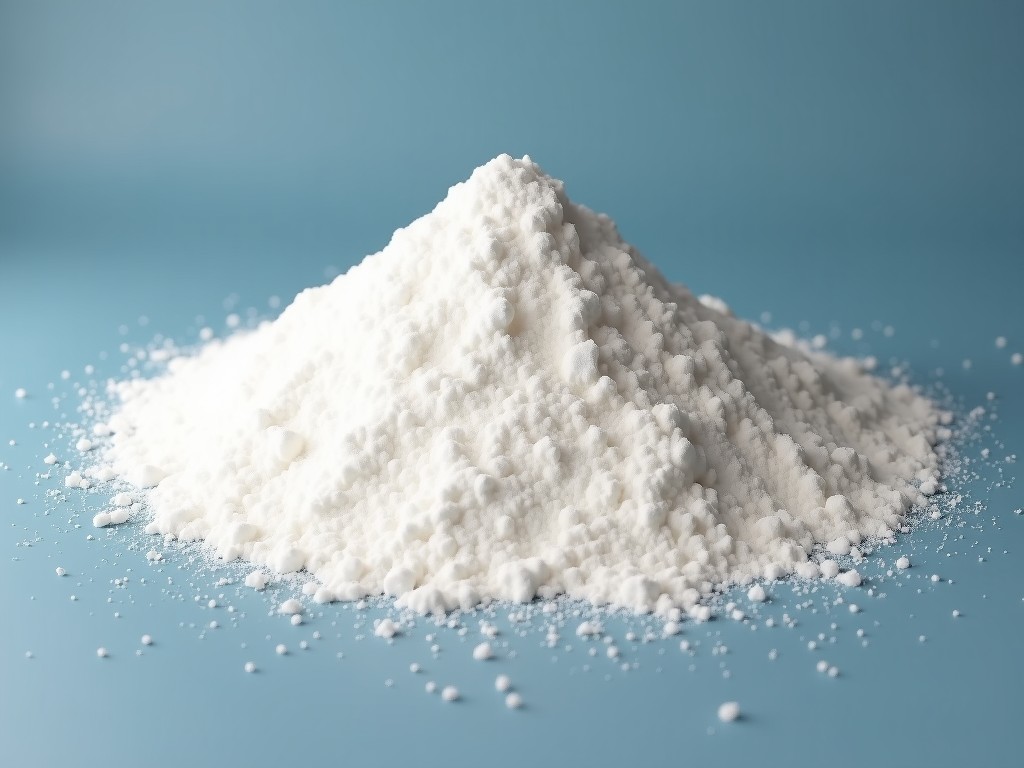
Diatomaceous Earth Bulk Suppliers And Manufacturers
Diatomaceous Earth Bulk Suppliers and Manufacturers
Diatomaceous earth (DE) is a naturally occurring sedimentary rock composed of fossilized silica shells of microscopic algae known as diatoms. When milled to a fine powder, it exhibits high porosity, low density, and abrasive characteristics that make it suitable for filtration, absorption, and mild abrasion in industrial processes.
Chemical and Physical Properties
The primary component is amorphous silicon dioxide (SiO₂), typically ranging from 80% to 90% by weight, with trace amounts of aluminum oxide, iron oxide, and calcium carbonate depending on the deposit origin. Bulk density usually falls between 0.2 and 0.5 g/cm³, while true particle density remains near 2.2 g/cm³ due to the porous structure.
Particle size distribution is often characterized by d50 values between 5 and 25 micrometers for standard grades, with finer grades available down to 2 µm for specialized filtration. The specific surface area can exceed 60 m²/g, contributing to high adsorption capacity for liquids and gases.
Manufacturing Process
Raw diatomaceous earth is extracted from quarries using conventional earth‑moving equipment. After primary crushing, the material undergoes drying to reduce moisture content below 5% before being fed into milling circuits.
Milling is performed with air‑classifying mills or jet mills to achieve the target particle size while minimizing heat generation that could alter the amorphous silica structure. Final product is screened, optionally calcined at temperatures up to 900 °C to increase whiteness and reduce organic content, then packaged for shipment.
Typical Industrial Applications
- Filtration aids in beverage, pharmaceutical, and water treatment: the porous particles form a permeable cake that captures fine solids without excessive pressure drop.
- Absorbent for spill control and industrial cleaning: low density and high surface area enable rapid uptake of oils, solvents, and water‑based liquids.
- Mild abrasive in polishes and cleansers: controlled hardness (Mohs ~5‑6) provides effective surface preparation without damaging substrates.
- Functional filler in paints, plastics, and rubber: the inert silica improves rheology, reduces shrinkage, and enhances thermal stability.
Quality Control Parameters
| Parameter | Typical Range | Test Method |
|---|---|---|
| Silica (SiO₂) content | 80% – 92% | X‑ray fluorescence (XRF) |
| Moisture content | ≤ 5% | Loss on drying (105 °C, 2 h) |
| Bulk density | 0.20 – 0.45 g/cm³ | ASTM C29 |
| pH (suspension) | 7 – 9 | ASTM D1293 |
| d50 particle size | 5 – 25 µm | Laser diffraction |
Packaging and Logistics
Bulk diatomaceous earth is commonly shipped in multi‑wall paper bags with polyethylene inner liners, each bag holding 25 kg. For larger volume shipments, the material can be loaded into flexible intermediate bulk containers (FIBCs) of 500 kg to 1 tonne capacity, or transported pneumatically in sealed tankers.
To prevent moisture uptake during transit, packages are sealed and stored under cover. Desiccant packs may be added upon request for long‑term storage or humid climates.
Customization Options
Suppliers can adjust calcination temperature to modify surface chemistry and whiteness, tailor particle size distribution through classifier settings, and blend DE with functional additives such as hydrophobic agents or anti‑caking compounds.
Packaging formats, label language, and documentation (e.g., SDS, certificates of origin) are adjustable to meet regional regulatory requirements. Minimum order quantities typically start at one pallet (~1 tonne) but can be negotiated based on logistics.
Frequently Asked Questions
- Q: Can the particle size be customized for specific filtration ratings?
A: Yes, milling and classification allow targeting d50 values from 2 µm to 30 µm, with corresponding adjustments to flow rate and retention efficiency. - Q: What information is required to obtain a quotation for bulk DE?
A: Required details include desired quantity, preferred particle size range, any calcination or additive specifications, packaging type, and destination for freight calculation. - Q: Are there different grades available for food‑contact versus industrial use?
A: Food‑grade DE meets FCC and FDA standards with lower heavy‑metal limits, while industrial grades may tolerate higher impurity levels and are optimized for cost‑effective filtration or absorption. - Q: How is product quality verified before shipment?
A: Each lot undergoes routine testing for silica content, moisture, bulk density, and particle size, with results recorded in a batch‑specific certificate of analysis. - Q: What lead times should be expected for bulk orders?
A: Standard lead times range from 2 to 4 weeks after order confirmation, depending on stock availability and customization complexity.
Get a Technical Quote
To discuss your specific requirements for bulk diatomaceous earth, please provide your project specifications.
Request Quote