
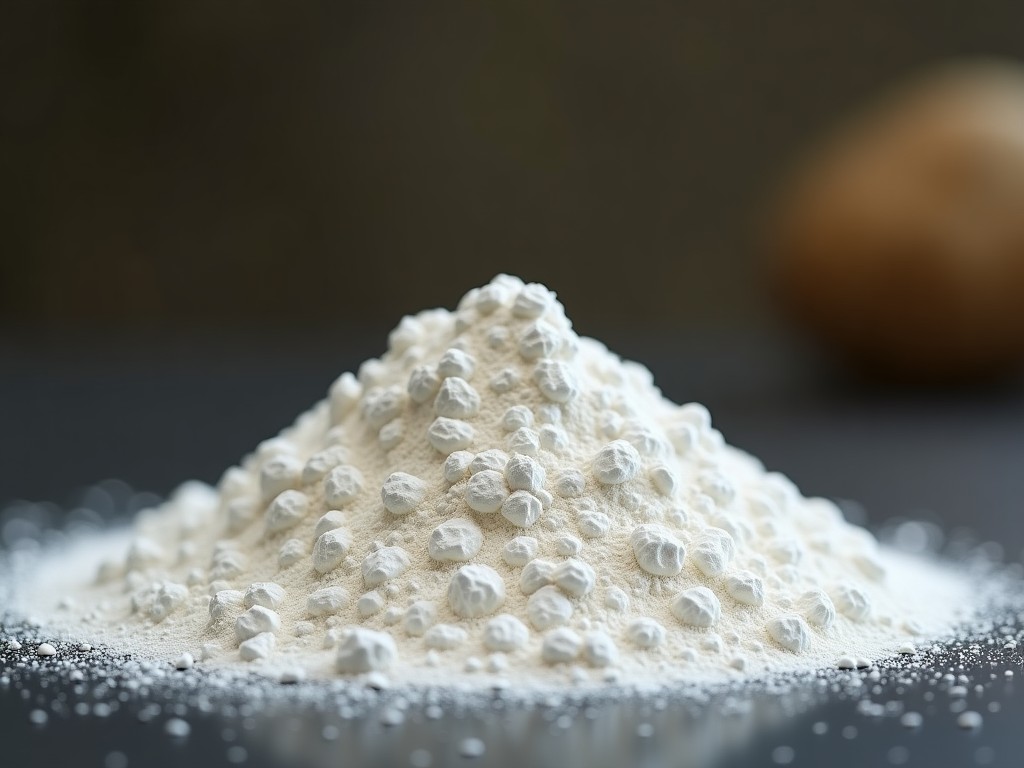
Diatomaceous Earth Dietary Supplement Dosage For Humans
Diatomaceous Earth Dietary Supplement: Dosage and Technical Overview
Diatomaceous earth (DE) is a naturally occurring, siliceous sediment formed from the fossilized remains of diatoms, a type of hard‑shelled algae. When milled to food‑grade specifications, it consists predominantly of amorphous silicon dioxide (SiO₂) with trace amounts of aluminum oxide, iron oxide, and other minerals. This overview explains the material’s composition, typical human dosage ranges, safety considerations, and manufacturing controls relevant to industrial buyers evaluating DE as a dietary supplement ingredient.
Chemical Composition and Physical Characteristics
Food‑grade diatomaceous earth typically contains 80 %–90 % SiO₂ by weight, with the remainder comprising aluminum oxide (Al₂O₃) 2 %–5 %, iron oxide (Fe₂O₃) 0.5 %–2 %, and trace amounts of calcium, magnesium, and sodium oxides. The amorphous silica structure provides a high surface area, generally ranging from 20 m²/g to 65 m²/g depending on calcination temperature and milling grade. Particle size distribution for supplement‑grade material is usually controlled to a median diameter (D50) of 10 µm–20 µm, with less than 10 % of particles below 5 µm to minimize respirable fraction.
Typical Composition Table
| Component | Typical Range (wt %) | Notes |
|---|---|---|
| Silicon dioxide (SiO₂) | 80 %–90 % | Amorphous, primary active ingredient |
| Aluminum oxide (Al₂O₃) | 2 %–5 % | Present as silicate impurities |
| Iron oxide (Fe₂O₃) | 0.5 %–2 % | Contributes to slight reddish hue |
| Calcium oxide (CaO) | 0.1 %–0.5 % | Trace alkaline component |
| Magnesium oxide (MgO) | 0.1 %–0.3 % | Trace alkaline component |
Recommended Human Dosage Range
Industrial suppliers typically characterize the intended use of food‑grade DE as a source of dietary silica. Based on historical usage in nutraceutical formulations and guidance from food safety authorities, the common supplemental intake ranges from 1 gram to 3 grams per day, which corresponds roughly to ¼ teaspoon to 1 teaspoon of powder. This range is intended to provide an additional silica intake of approximately 10 mg–30 mg per day, well below the tolerable upper intake level for silicon established by various regulatory bodies. Exact dosing should be determined by the product designer in consultation with a qualified health professional, taking into account the target population, desired nutrient claim, and overall formulation.
Safety Profile and Regulatory Considerations
Food‑grade diatomaceous earth is generally recognized as safe (GRAS) for use as a food additive or dietary supplement when it meets specific purity criteria, including low crystalline silica content (< 0.1 %) and adherence to heavy‑metal limits (e.g., lead < 0.5 ppm, arsenic < 0.5 ppm). The amorphous nature of the silica fraction minimizes respirable hazard; however, manufacturers must still control dust generation during handling and provide appropriate worker protection. Compliance with FDA 21 CFR 184.1275 (silica) or equivalent EU food additive regulations is required for market placement.
Manufacturing and Quality Control
Production of supplement‑grade DE begins with selection of low‑crystallinity deposits, followed by drying, milling, and optional calcination to reduce moisture and organic content. Critical control points include particle‑size analysis (laser diffraction), crystalline silica quantification (X‑ray diffraction), and microbiological testing (total aerobic count, coliforms, Salmonella). Suppliers typically provide a Certificate of Analysis (CoA) for each batch, detailing SiO₂ content, loss on drying, pH (usually 6 – 8 in a 10 % slurry), and heavy‑metal results.
Applications in Nutraceutical Formulations
- Silica‑rich dietary supplements aimed at supporting hair, skin, and nail health.
- Anticaking agent in powdered drink mixes and vitamin tablets.
- Carrier or filler in capsule formulations where flowability and compressibility are required.
- Detoxification‑focused products that leverage DE’s adsorptive surface area.
Packaging, Storage, and Shelf Life
Food‑grade DE is hygroscopic to a limited extent; therefore, it is commonly packaged in multi‑wall paper bags with an inner polyethylene liner or in sealed HDPE pails. Recommended storage conditions are ambient temperature (15 °C – 25 °C) with relative humidity below 60 % to prevent clumping. Under these conditions, the product maintains a typical shelf life of 24 months from the date of manufacture, provided the packaging remains intact and uncontaminated.
Frequently Asked Questions
Yes. Milling parameters can be adjusted to achieve D50 values ranging from 5 µm to 30 µm, allowing optimization for capsule filling, tablet compression, or powder blend flowability.
Q: What information is required to obtain a quotation?
Suppliers typically request the desired grade (food‑grade vs. filter‑grade), target SiO₂ purity, maximum allowable crystalline silica, required particle‑size distribution, packaging type, and annual volume estimate.
Q: How is quality verified before shipment?
Each lot undergoes third‑party testing for amorphous silica content, crystalline silica (via XRD), heavy metals, and microbiological limits. A CoA accompanies the shipment.
Q: Are there options for private labeling or custom packaging?
Manufacturers can offer custom‑printed bags, private‑label labels, and various container sizes (e.g., 1 kg, 5 kg, 25 kg) subject to minimum order quantities.
For technical data sheets, sample requests, or to discuss specific formulation needs, please contact our technical sales team.
Request a Quote or Sample