
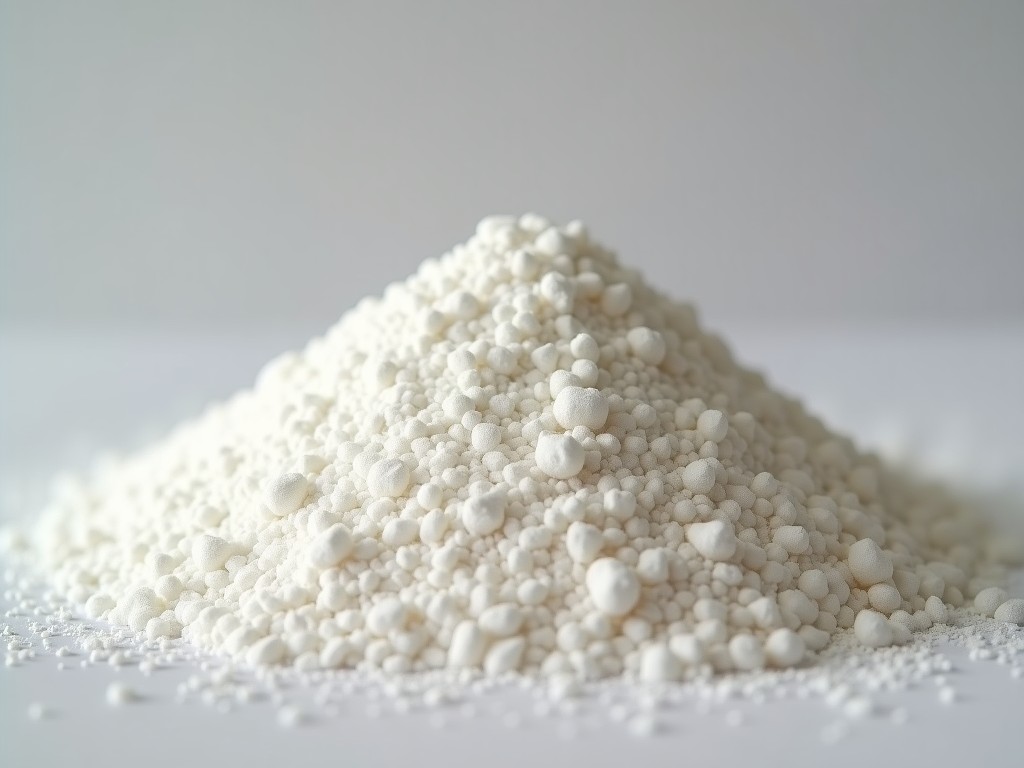
Diatomaceous Earth Food Grade Company Supplier
Diatomaceous Earth Food Grade – Supplier Overview
Diatomaceous earth (DE) is a naturally occurring siliceous sediment formed from the fossilized frustules of diatoms. Food grade DE undergoes additional processing to reduce heavy metal content and achieve the purity required for direct contact with edible products.
Typical Specifications
Food grade diatomaceous earth is primarily valued for its high amorphous silica content, controlled particle size, and low moisture. The values below represent common ranges that can be tailored according to the origin of the raw material and the calcination temperature used during production.
| Parameter | Typical Range | Test Method |
|---|---|---|
| Silicon dioxide (SiO₂) | 85 % – 95 % | X‑ray fluorescence (XRF) |
| Moisture content | ≤ 0.5 % (w/w) | Loss on drying (105 °C, 2 h) |
| Bulk density | 0.30 – 0.45 g/cm³ | ASTM C29 |
| pH (10 % slurry) | 7.5 – 9.0 | Electrometric measurement |
| Particle size (D50) | 5 – 15 µm | Laser diffraction |
| Lead (Pb) | ≤ 2 mg/kg | ICP‑MS |
| Arsenic (As) | ≤ 1 mg/kg | ICP‑MS |
Applications in Food Processing
The microporous structure of diatomaceous earth provides a high surface area that makes it effective as a filtration aid, trapping fine particulates while allowing liquid flow. Its inertness and absorptive capacity also enable use as an anti‑caking agent and a carrier for flavors, vitamins, or probiotics.
- Beverage clarification: Removes yeast, haze, and suspended solids from juices, wine, and beer without altering flavor.
- Oil filtration: Captures gums and pigments in edible oils, improving clarity and stability.
- Anti‑caking in powders: Prevents clumping in salt, sugar, and spice blends by absorbing surface moisture.
- Carrier for additives: Adsorbs liquid nutrients or enzymes, providing a dry, free‑flowing powder for fortification.
Quality Assurance and Testing
Suppliers typically verify each batch against a defined set of specifications to ensure consistency and regulatory compliance. Testing is performed on representative samples taken from multiple points within the batch.
- Chemical purity: XRF or ICP‑OES for silica and trace metals.
- Physical properties: Sieve analysis for particle size distribution, pycnometer for bulk density.
- Moisture and loss on ignition: Gravimetric methods at defined temperatures.
- Microbial limits: Total plate count, yeast and mold, and absence of pathogens when required.
Packaging and Handling
To preserve the low moisture content and prevent contamination, food grade diatomaceous earth is packaged in materials that provide a barrier against humidity and pests. Proper handling practices minimize dust generation and maintain product integrity during transport and storage.
- Multiwall paper bags: 25 kg or 50 kg with inner polyethylene liner, suitable for palletized storage.
- Flexible intermediate bulk containers (FIBCs): 500 kg to 1500 kg with optional liner for hygienic applications.
- Bulk tanker or pneumatic transport: For large‑scale users requiring direct transfer to silos.
Frequently Asked Questions
Industrial buyers often seek clarification on customization, documentation, and logistics before placing an order. The following answers address the most common points of inquiry.
- Can the particle size be adjusted? Yes, milling and classification steps allow targeting D50 values from 3 µm to 30 µm according to the filtration or anti‑caking requirement.
- What documentation is provided with each shipment? Suppliers typically furnish a certificate of analysis, safety data sheet, and, upon request, FDA GRAS affirmation or FCC compliance statement.
- Are there options for organic certification? Food grade diatomaceous earth can be sourced from deposits that meet organic standards; documentation such as OMRI listing is available when the raw material qualifies.
- How is product safety ensured during transit? Packaging is selected to resist moisture ingress, and shipments are covered with weather‑proof tarps or placed in sealed containers to prevent contamination.
Request a Quote or Sample
To discuss your specific requirements—such as target silica content, particle size distribution, or packaging format—please provide the details below. Our technical team will respond with a quotation and, if needed, arrange a representative sample for evaluation.
Contact Us