
Diatomaceous Earth For Fleas And Ticks On Carpet
Diatomaceous Earth for Fleas and Ticks on Carpet
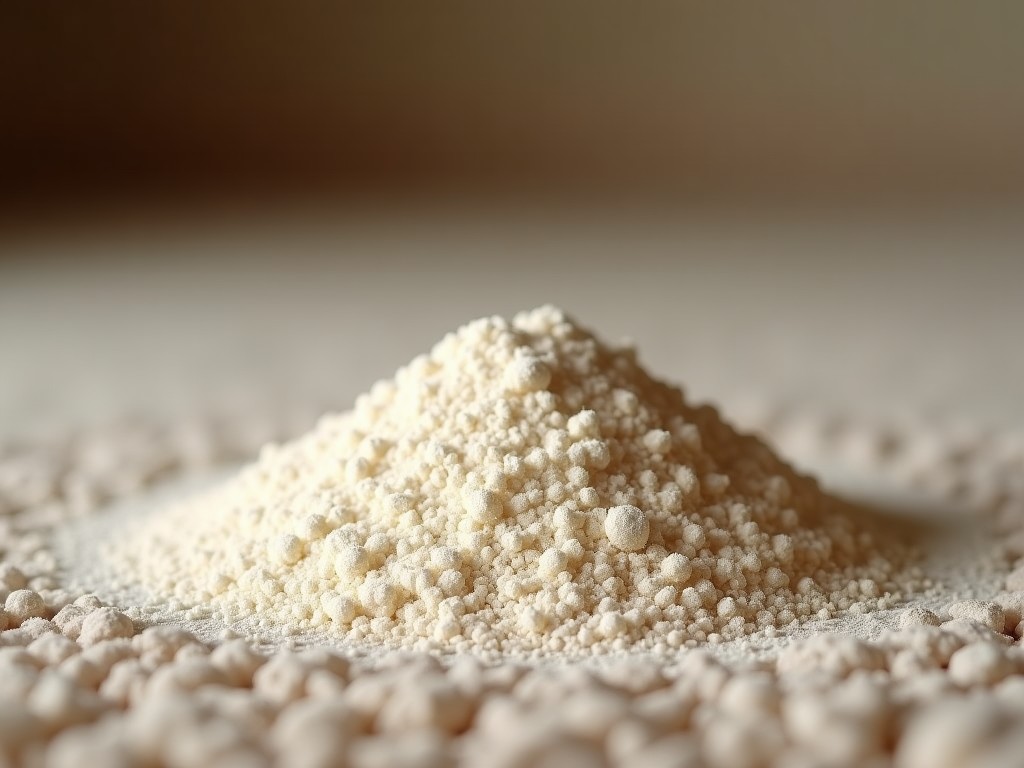
Diatomaceous earth (DE) is a naturally occurring sedimentary rock composed of fossilized diatom skeletons, primarily amorphous silicon dioxide. When milled to a specific particle size range, it provides a mechanical mode of action against ectoparasites such as fleas and ticks by absorbing lipids from their exoskeleton, leading to desiccation.
Technical Specifications
- Particle size (d50): 15–25 µm
- Silica (SiO2) content: ≥85% amorphous
- Bulk density: 0.30–0.45 g/cm³
- Moisture content: ≤5% (by weight)
- pH (10% slurry): 7–9
Mechanism of Action
DE particles have sharp edges that abrade the waxy cuticle of insects, while the highly porous structure absorbs cuticular lipids and wax. This dual action leads to rapid loss of water balance, causing desiccation within hours of contact.
Because the mode of action is purely physical, resistance development is unlikely, and the product remains effective as long as particles remain on the surface.
Application on Carpet
For carpet treatment, apply a uniform layer of DE at a rate of 50–100 g per m², depending on pile height and infestation severity. Use a handheld spreader or a shaker bottle to distribute the powder evenly, then lightly brush or vacuum the surface to work the particles into the fibers without removing them.
Reapplication is recommended after vacuuming or after wet cleaning, as moisture can cause agglomeration and reduce efficacy. In dry environments, a single treatment can remain active for up to 4 weeks.
Safety and Handling
The product supplied for pest control is food‑grade, amorphous diatomaceous earth with crystalline silica content below 0.1%, well under occupational exposure limits. Nonetheless, avoid generating dust clouds; wear a dust mask (NIOSH N95 or equivalent) and safety glasses during application.
DE is non‑toxic to mammals, birds, and fish when used as directed. It does not stain carpets; any visible residue can be removed by normal vacuuming.
Store in a dry, sealed container away from direct sunlight to prevent moisture uptake.
Comparison with Chemical Insecticides
| Parameter | Diatomaceous Earth | Typical Synthetic Pyrethroid |
|---|---|---|
| Mode of action | Mechanical abrasion & absorption | Neurotoxic (sodium channel modulation) |
| Residual activity (dry conditions) | Up to 4 weeks | 1–2 weeks |
| Re‑entry interval | None (once settled) | Typically 12–24 h |
| Environmental impact | Low (inert mineral) | Moderate (non‑target toxicity) |
| Cost per m² (approx.) | $0.02–$0.05 | $0.10–$0.25 |
Frequently Asked Questions
Can DE be used on wool or synthetic carpet fibers?
Yes. DE is chemically inert and does not react with natural or synthetic fibers. It remains on the surface and can be removed by vacuuming without damaging the pile.
Will the powder cause discoloration or staining?
No staining has been observed. Any visible white residue is simply the mineral powder and is removed during routine vacuuming.
How long should I keep the product on the carpet before vacuuming?
For optimal contact, leave the powder undisturbed for at least 4–6 hours, or overnight, before light vacuuming to remove excess while retaining a thin active layer.
Is it safe for pets and children after application?
Once settled, DE poses no inhalation hazard. However, avoid allowing pets to sniff the powder directly during application; use a mask and keep the area ventilated.
Get More Information
For technical data sheets, sample requests, or volume pricing, please contact our technical sales team.
Request a Quote or Sample