
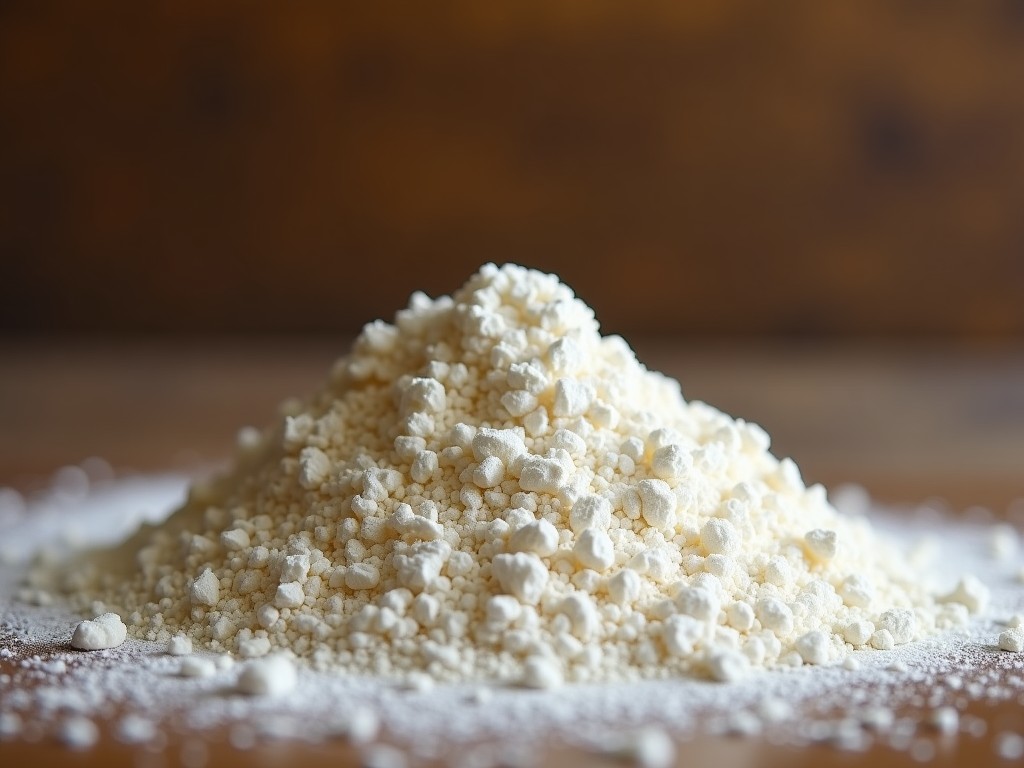
Diatomaceous Earth How To Use For Fleas
Diatomaceous Earth for Flea Control: Technical Overview
Diatomaceous earth (DE) is a naturally occurring siliceous sediment composed of fossilized diatom frustules. Its effectiveness against fleas relies on mechanical abrasion and desiccation rather than chemical toxicity.
Mechanism of Action Against Fleas
When fleas come into contact with DE particles, the sharp edges of the amorphous silica cut through the waxy cuticle, increasing permeability. This leads to rapid loss of body fluids and eventual desiccation.
The process is purely physical; no active ingredient is released, which eliminates concerns about resistance development or residue accumulation in treated environments.
Typical Material Specifications
Performance depends on particle size distribution, silica purity, and moisture content. The following table lists values commonly observed for food‑grade DE used in pest‑control applications.
| Property | Typical Value | Test Method / Note |
|---|---|---|
| Silicon Dioxide (SiO2) content | ≥85 % | X‑ray fluorescence (XRF) |
| Median particle size (D50) | 10–20 µm | Laser diffraction |
| Bulk density | 0.30–0.45 g/cm³ | ASTM C29 |
| Moisture content (max) | 0.5 % | Loss on drying, 105 °C |
| pH (suspension) | 7–9 | ASTM D1293 |
Recommended Application Practices
Effective flea control requires uniform coverage of areas where fleas reside, including carpets, pet bedding, baseboards, and outdoor shaded zones.
- Indoor surfaces: apply a thin, visible layer using a dust‑application bottle or rotary spreader; avoid excessive buildup that could become airborne.
- Pet bedding: treat the fabric and surrounding floor area; re‑apply after washing or when the layer appears disturbed.
- Outdoor premises: focus on shaded, moist habitats such as under decks, around kennels, and in leaf litter; reapply after rain or irrigation.
Safety Considerations
Although DE is non‑toxic, the fine silica dust can irritate respiratory tract and eyes if inhaled in large quantities.
- Wear a NIOSH‑approved N95 respirator and safety goggles during application.
- Apply in well‑ventilated areas; keep children and pets away until dust settles.
- Store in a dry, sealed container to prevent moisture uptake that could reduce efficacy.
Dosage and Re‑application Guidance
A typical application rate is 1 lb per 100 sq ft for surface treatment; adjust based on porosity and flea pressure.
Inspect treated areas after 48 hours; if fleas remain visible, re‑apply at half the initial rate.
In outdoor settings, re‑apply every 2–4 weeks or after any precipitation event that could wash away the dust.
Frequently Asked Technical Questions
- Can the particle size be customized for specific equipment?
- Yes, manufacturers can adjust milling to achieve D50 values between 5 µm and 30 µm according to feeder specifications.
- Is food‑grade DE required for indoor flea control?
- Food‑grade DE meets lower heavy‑metal limits and is preferred where accidental ingestion by pets or children is possible.
- How does humidity affect performance?
- High relative humidity (>70 %) can cause particles to agglomerate, reducing abrasive efficiency; re‑application may be needed more frequently.
For detailed safety data sheets, sample requests, or to discuss custom particle‑size specifications, contact our technical team.
Contact Technical Support