
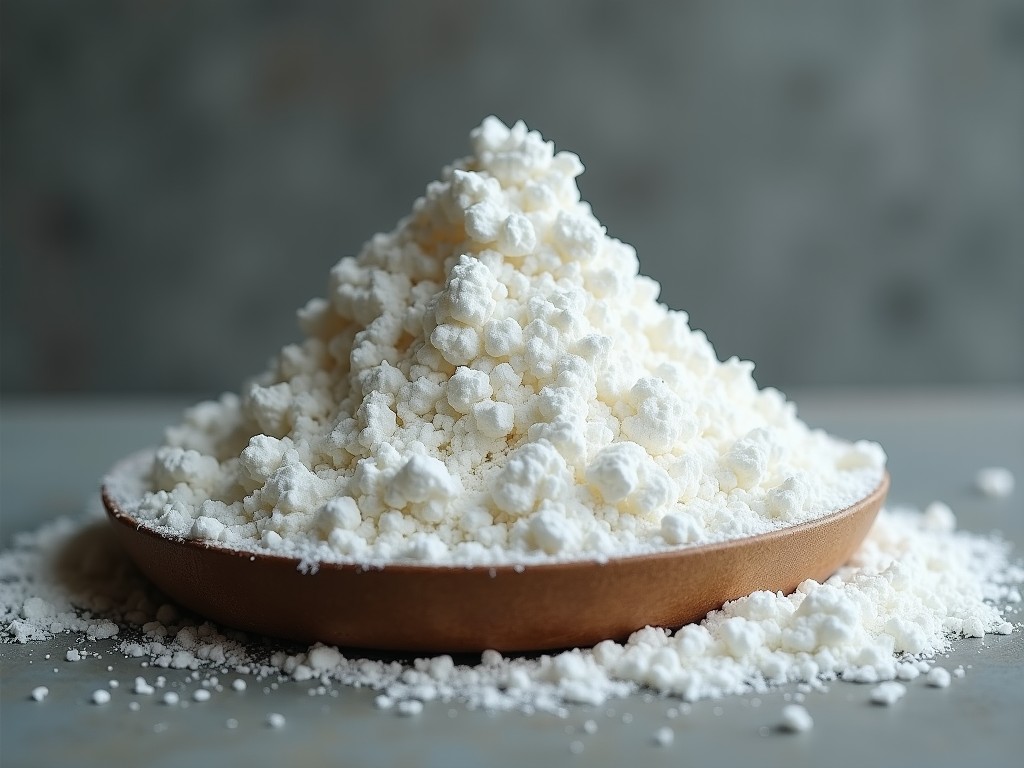
Diatomaceous Earth Is Made From
Diatomaceous Earth: Origin and Composition
Diatomaceous earth (DE) is a naturally occurring sedimentary rock formed from the fossilized silica shells of microscopic algae known as diatoms. Over geological time, these shells accumulate in freshwater or marine basins and lithify into a porous, low‑density material. The primary constituent is amorphous silicon dioxide (SiO₂), typically ranging from 80% to 94% by weight depending on the deposit and processing method.
Typical Chemical Composition
Beyond silica, DE contains minor amounts of alumina (Al₂O₃), iron oxide (Fe₂O₃), calcium oxide (CaO), and magnesium oxide (MgO). Trace elements such as sodium, potassium, and titanium are also present but usually below 0.5% each. The exact composition varies with the source deposit; marine‑derived DE often shows higher chloride content, while freshwater deposits tend to be lower in soluble salts.
| Component | Typical Range (wt%) |
|---|---|
| Silicon Dioxide (SiO₂) | 80 – 94 |
| Aluminum Oxide (Al₂O₃) | 2 – 6 |
| Iron Oxide (Fe₂O₃) | 0.5 – 2 |
| Calcium Oxide (CaO) | 0.5 – 1.5 |
| Magnesium Oxide (MgO) | 0.2 – 1 |
| Loss on Ignition (LOI) | 5 – 12 |
Physical Characteristics
The fossilized diatom frustules create a highly porous structure with pore diameters typically between 0.1 µm and 0.5 µm. This yields a bulk density ranging from 0.2 g/cm³ to 0.5 g/cm³ for uncalcined grades and up to 0.7 g/cm³ for calcined products. Specific surface area, measured by BET analysis, commonly falls between 10 m²/g and 45 m²/g, depending on particle size distribution and thermal treatment. Particle size after milling can be classified into fine (<10 µm), medium (10–50 µm), and coarse (>50 µm) fractions to suit different applications.
Manufacturing Process Overview
Raw DE is extracted via open‑pit mining or dredging, then crushed to reduce lump size. The material undergoes drying to remove surface moisture, followed by milling in air‑classifying mills to achieve the desired particle size distribution. Depending on the end‑use, the product may be left uncalcined (natural) or subjected to controlled calcination at temperatures between 800 °C and 1100 °C to increase hardness, reduce organic content, and modify surface chemistry. Final steps include screening, blending for consistency, and packaging in multi‑wall bags or bulk containers.
Primary Industrial Applications
- Filtration aid for beverage, pharmaceutical, and chemical processing – the porous structure provides high flow rates while capturing fine particulates.
- Absorbent for spill control, pet litter, and industrial cleanup – low bulk density and high porosity enable rapid liquid uptake.
- Functional filler in paints, plastics, and rubber – improves rheology, reduces shrinkage, and enhances barrier properties.
- Insecticidal agent in stored‑product protection – the abrasive silica particles damage insect exoskeletons, leading to dehydration.
- Soil amendment in agriculture – increases water retention and aeration without altering pH significantly.
Quality Control and Testing
Each lot is evaluated for SiO₂ content via X‑ray fluorescence (XRF), loss on ignition (LOI) to assess organic matter, and particle size distribution using laser diffraction. Moisture content is measured by thermogravimetric analysis, and pH is determined in a 10% slurry. For filtration grades, permeability and cake compressibility are tested according to ASTM C610. All results are documented in a material data sheet available upon request.
Frequently Asked Questions
Can the particle size be customized? Yes, milling parameters and air classification can be adjusted to produce specific size ranges; consult technical sales for feasibility.
Is calcined diatomaceous earth safe for food contact? Calcined grades that meet FDA 21 CFR 182.20 and EU food additive specifications are available; request the relevant compliance documentation.
What information is required for a quotation? Provide target application, desired SiO₂ purity, particle size range, quantity, and any required certifications (e.g., FDA, NSF, ISO 9001).
For detailed technical data, sample requests, or to discuss a specific application, please contact our engineering team.
Contact Us for Technical Inquiry