
Diatomaceous Earth Supplement Benefits For Humans
Diatomaceous Earth Supplement Benefits for Humans
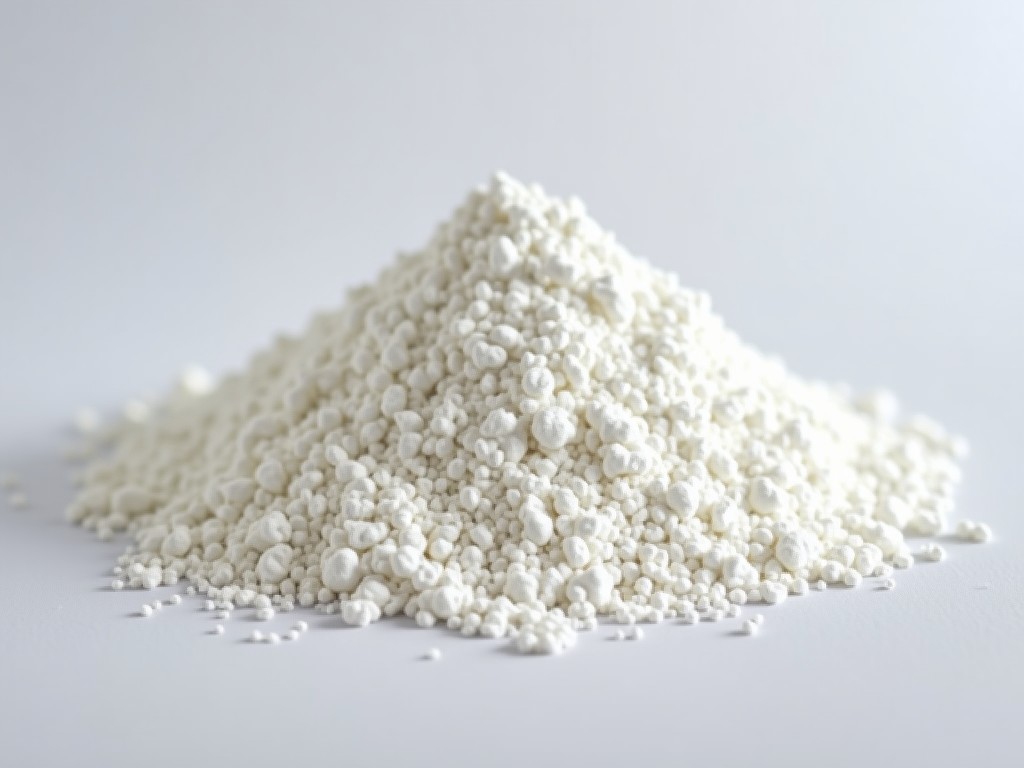
Diatomaceous earth (DE) originates from the fossilized silica shells of microscopic algae known as diatoms. After mining, the raw material undergoes calcination and milling to produce a food‑grade powder that is >85 % amorphous silicon dioxide.
Particle size is tightly controlled; the supplement grade typically exhibits a D50 of 4‑6 µm with less than 2 % of particles exceeding 20 µm. This distribution minimizes mechanical abrasion while maintaining sufficient surface area for adsorptive interactions in the digestive tract.
Mechanism of Action
The high surface silanol groups on amorphous silica can bind certain lipids, bile acids, and metabolic by‑products through weak electrostatic and hydrogen‑bond interactions. This adsorption may reduce the enterohepatic circulation of cholesterol and support normal lipid metabolism.
Silica also provides a source of orthosilicic acid, the bioavailable form of silicon, which participates in collagen cross‑linking and glycosaminoglycan synthesis. Adequate silicon intake is associated with improved bone mineral density and connective tissue integrity.
Typical Specification Table
| Parameter | Typical Value | Test Method |
|---|---|---|
| Amorphous SiO₂ content | ≥85 % | X‑ray diffraction |
| Moisture (loss on drying) | ≤5 % | Thermo‑gravimetric analysis |
| Bulk density (loose) | 0.30‑0.35 g/cm³ | ASTM D1895 |
| pH (10 % slurry) | 7.0‑8.5 | ISO 787-9 |
| Particle size D50 | 4‑6 µm | Laser diffraction |
Reported Human Benefits
Clinical observations suggest that regular intake of food‑grade DE at 1‑2 g per day may support gastrointestinal comfort by adsorbing excess gas and irritants. Users frequently report reduced bloating and more regular bowel movements.
Silicon derived from DE contributes to the dietary silicon pool, which epidemiological studies link to higher bone mineral density in post‑menopausal women. The effect is attributed to enhanced collagen synthesis and improved calcium deposition in bone matrix.
Some users note improvements in nail hardness and hair tensile strength, consistent with silicon’s role in keratinization. These outcomes are anecdotal and require further controlled trials for validation.
Safety and Regulatory Status
Food‑grade diatomaceous earth meets the specifications outlined in the Food Chemicals Codex (FCC) and is Generally Recognized As Safe (GRAS) for use as a filtering aid and anti‑caking agent. The amorphous silica form lacks the crystalline quartz fraction associated with respiratory hazards.
Manufacturers conduct routine heavy‑metal testing (lead, arsenic, cadmium, mercury) to ensure levels remain below FDA limits for dietary supplements. Microbial limits are verified via standard plate count and absence of pathogens.
Frequently Asked Questions
What particle size range is safe for ingestion?
Supplement‑grade DE is milled to a D50 below 10 µm with a top size under 20 µm to avoid abrasive irritation of the gastrointestinal mucosa.
How much should be taken daily?
Typical serving sizes range from 1 to 2 grams per day, mixed with water or juice. Individual tolerance should be assessed by starting with a lower amount.
Can DE interfere with medication absorption?
Due to its adsorptive properties, DE may bind certain oral medications if taken simultaneously. A separation of at least two hours is recommended.
Call to Action
For detailed specifications, sample requests, or technical consultation regarding formulation integration, please reach out to our product engineering team.