
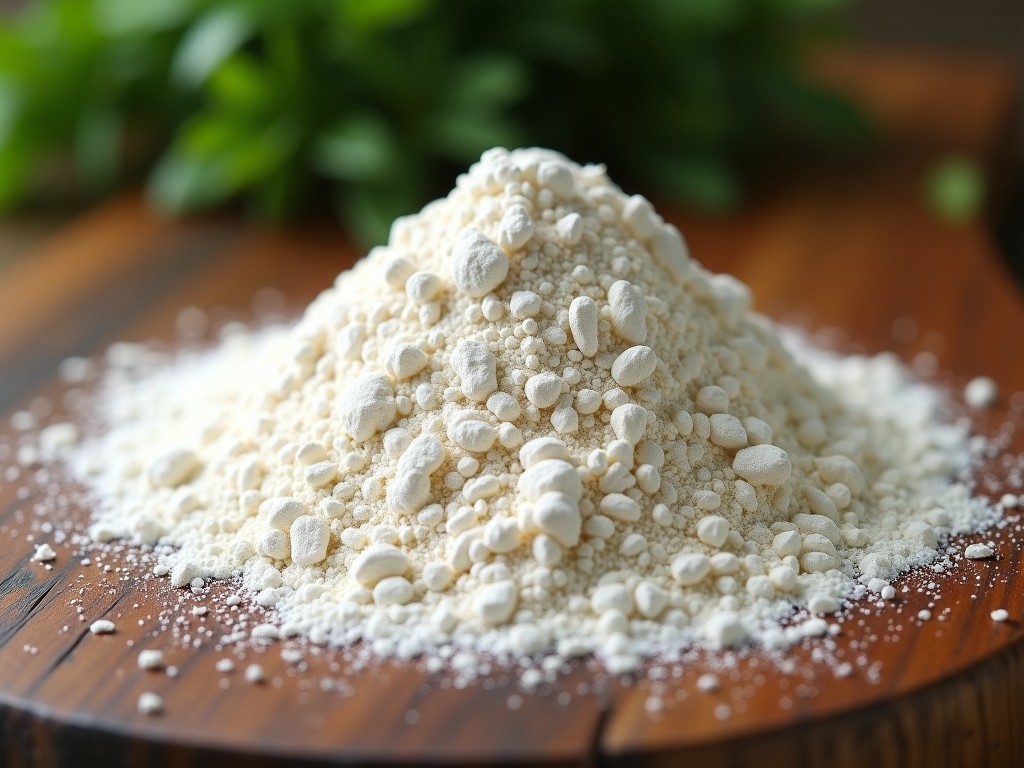
Diatomaceous Earth Uses For Garden And Fleas
Diatomaceous Earth for Garden and Flea Control
Overview
Diatomaceous earth (DE) is a naturally occurring siliceous sediment composed of fossilized diatom frustules. Its primary constituent is amorphous silicon dioxide, typically present as 80‑90 % SiO₂ with trace amounts of alumina and iron oxide. The material is mined, milled, and classified to produce a range of particle size distributions suitable for agricultural and pest‑management applications.
Composition and Properties
The efficacy of DE stems from its microscopic geometry: individual particles exhibit sharp edges and a high surface area to mass ratio. Bulk density usually falls between 0.4 and 0.6 g cm⁻³, while the specific surface area can exceed 20 m² g⁻¹ for finer grades. These physical characteristics enable both mechanical abrasion and absorptive functions without chemical reactivity.
Mechanism of Action
When insects contact DE, the sharp particles cut through the waxy cuticle, causing loss of epicuticular lipids and subsequent desiccation. The absorbent nature of the silica also draws moisture from the insect’s body, accelerating dehydration. In soil, DE particles improve porosity and water‑holding capacity while providing a physical barrier that deters soft‑bodied pests such as slugs and aphids.
Garden Applications
As a soil amendment, DE is incorporated at rates of 5‑10 kg per 100 m² to enhance drainage in heavy clay soils and to retain moisture in sandy substrates. Its inert nature means it does not alter pH or nutrient availability. Additionally, a light dusting on plant foliage creates a hostile environment for crawling pests, reducing reliance on synthetic insecticides while preserving beneficial insects that do not come into direct contact with the powder.
Flea Control Applications
For flea management, DE is applied to pet bedding, carpet edges, and yard perimeters where larvae develop. A thin layer of approximately 1 mm is sufficient to contact fleas as they move through the treated zone. Because the mode of action is physical, resistance development is unlikely, and the product remains effective after repeated applications as long as the powder remains dry and undisturbed.
Technical Specifications
| Property | Typical Value | Units | Notes |
|---|---|---|---|
| Silicon Dioxide (SiO₂) Content | 85‑90 | % | Amorphous form |
| Particle Size (D50) | 10‑15 | µm | Adjustable per grade |
| Bulk Density | 0.45‑0.55 | g cm⁻³ | Loose poured |
| Moisture Content | <0.5 | % | As‑received |
| pH (10 % slurry) | 7‑8 | – | Neutral to slightly alkaline |
Usage Instructions
For garden beds, broadcast DE evenly using a handheld spreader at the recommended rate, then lightly incorporate into the top 5 cm of soil. Reapply after heavy rain or irrigation that washes away the surface layer. In flea control, apply a thin, uniform layer to dry surfaces; avoid application on wet substrates as moisture reduces abrasive effectiveness. Use a dust mask during application to prevent inhalation of fine particles.
Safety and Handling
Although DE is non‑toxic, respirable silica dust poses a respiratory hazard. Wear a NIOSH‑approved N95 respirator, safety goggles, and gloves when handling bulk quantities. Store in a dry, sealed container away from moisture to maintain flow properties. Dispose of unused product according to local regulations for inert mineral waste.
Frequently Asked Questions
- Can the particle size be customized for specific applications?
- What information is required to obtain a quotation for bulk DE?
- How is product quality verified before shipment?
- What packaging options are available for industrial buyers?
- Are there any export restrictions on diatomaceous earth?
Contact for Inquiry
For technical data sheets, sample requests, or to discuss custom grading options, please reach out to our sales team. Contact us to begin the conversation.