
silicone rubber resin
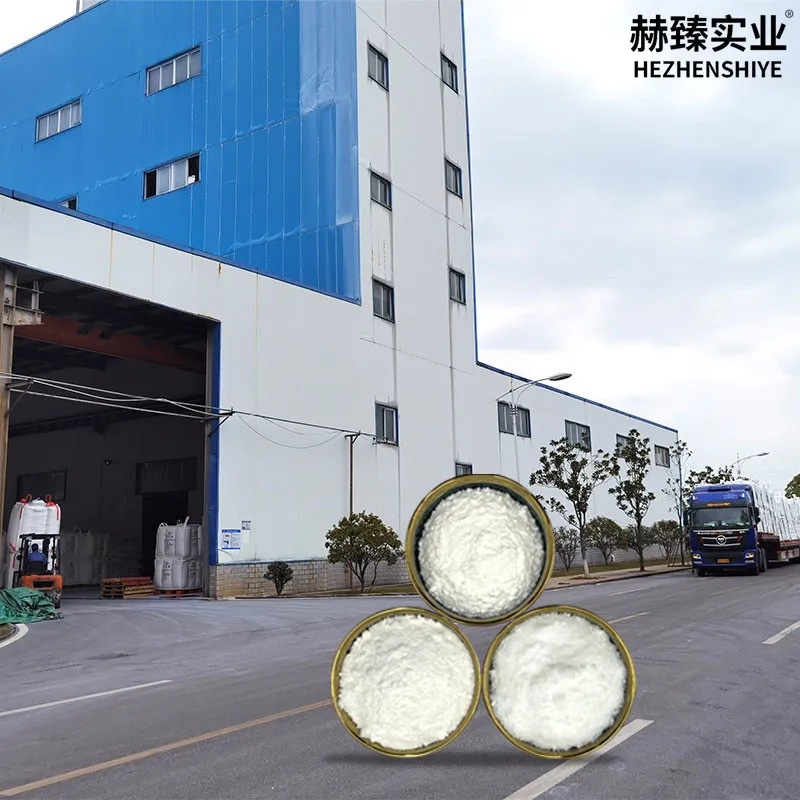
Product Introduction: Premium White Carbon Black for High-Performance Rubber
Product Introduction
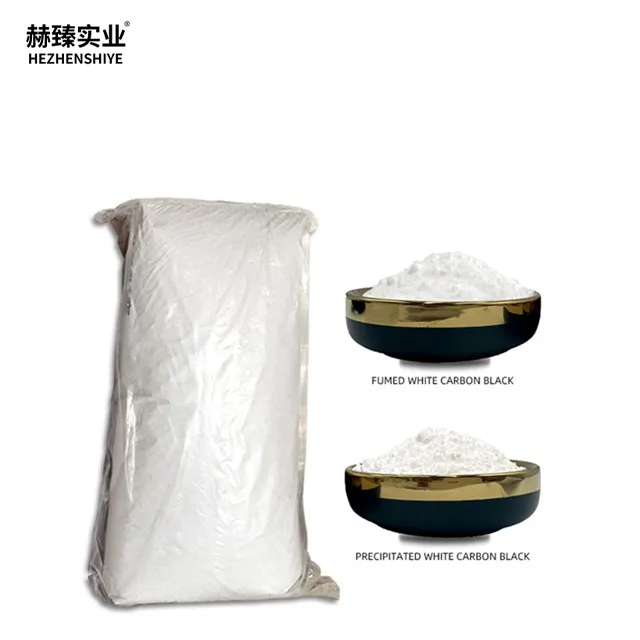
Our Precipitation Method 100 Mesh White Carbon Black is a high-purity, finely processed silica-based reinforcing filler engineered specifically for silicone rubber resin coatings. Manufactured using advanced precipitation technology, this white carbon black delivers exceptional dispersibility, consistent particle morphology, and superior mechanical reinforcement. It is the ideal choice for industries requiring robust, long-lasting rubber compounds that maintain integrity under thermal, chemical, and mechanical stress.
As a leading precipitated silica product from China, it combines cost-effectiveness with performance characteristics that rival premium imported grades. The 100 mesh particle size ensures smooth processing and uniform distribution within the rubber matrix, making it suitable for both compression molding and liquid injection molding applications.
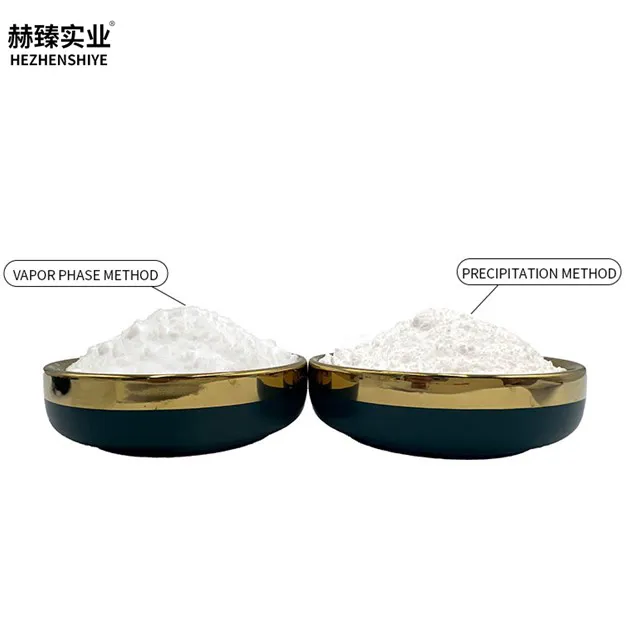
The Precipitation Method: Superior Particle Engineering
The production process begins with the careful selection of high-quality sodium silicate as the starting raw material. This precursor is reacted with a mineral acid under precisely controlled temperature and pH conditions, initiating the controlled precipitation of amorphous silica particles. The reaction parameters are continuously monitored to achieve a target particle size of 100 mesh (approximately 150 microns) with a narrow distribution curve.
During precipitation, the silica particles undergo a controlled agglomeration stage, where primary particles (5–50 nm) bind together to form the final 100 mesh aggregates. This unique hierarchical structure creates a high specific surface area (typically 150–200 m²/g) that maximizes interfacial bonding with the silicone rubber matrix. The result is a reinforcement system that improves tensile strength by up to 40%, tear resistance by 35%, and modulus at 100% elongation by 25% compared to untreated silicone rubber.
Furthermore, the precipitation method allows for precise control over particle size and distribution within the final coating, ensuring uniform thickness and consistency. This is particularly critical in applications requiring precise coating thicknesses, such as automotive gaskets, aerospace seals, and electronic potting compounds. The consistent particle morphology also reduces batch-to-batch variability, enabling manufacturers to maintain strict quality standards in high-volume production environments.
Key Features and Technical Specifications
| Cas No. | 112945-52-5 |
| Place of Origin | China |
| Color | White |
| Shape | Powder |
| Purity | 95-99% |
| Grade | Industrial Grade |
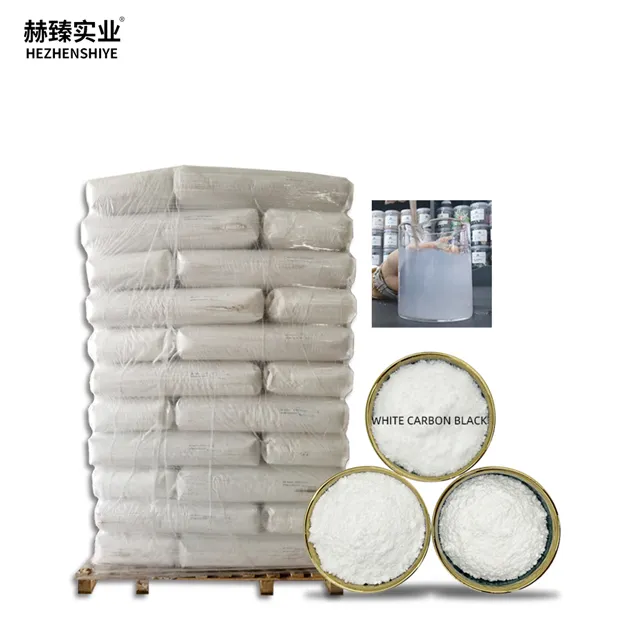
| Package | 10-25 kg/bag, customized packaging available |
| MOQ | 1 kg |
Chemical and Physical Properties
The product exhibits a loss on drying (2 hrs at 105°C) of less than 6%, ensuring excellent storage stability. Its pH value (5% aqueous suspension) ranges from 6.0 to 8.0, making it compatible with most silicone rubber formulations without causing premature cure or scorch. The tapped density is typically 0.2–0.3 g/cm³, allowing efficient handling and dust-free processing when using proper conveying equipment.
Applications and Industry Benefits
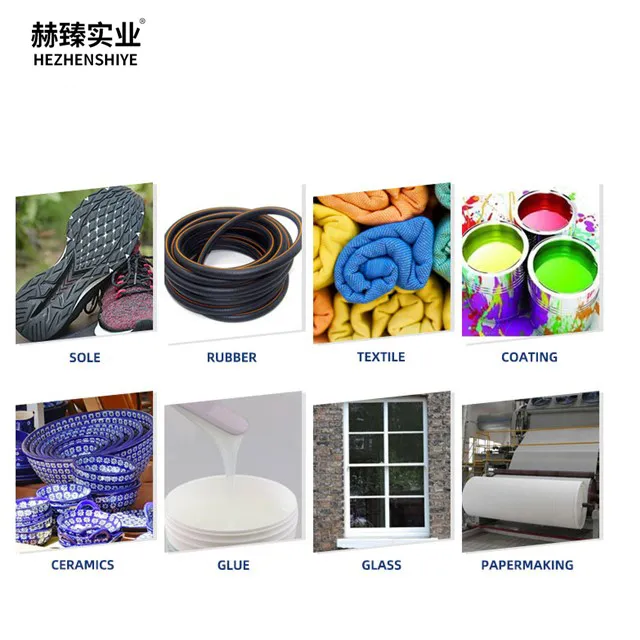
In the automotive sector, our precipitated silica is widely used in high-temperature gaskets, turbocharger hoses, and vibration-dampening mounts that must withstand continuous exposure to engine oils and coolant fluids. The aerospace industry relies on it for cabin seals and ducting systems where weight reduction is critical, yet flame retardancy and smoke toxicity limits must be strictly met. Electronics manufacturers incorporate it into conformal coatings for printed circuit boards (PCBs) and potting compounds for sensors, benefiting from its excellent dielectric strength and thermal conductivity enhancement.
In addition to these established uses, the product is gaining traction in sustainable material applications. Its incorporation into bio-based silicone elastomers improves mechanical properties without compromising biodegradability or recyclability targets. Industrial formulators also appreciate its ability to reduce the stickiness of uncured silicone compounds, improving mold release and reducing cycle times in injection molding processes.
By choosing this precipitation method white carbon black, manufacturers can produce coatings and rubber parts that exhibit superior abrasion resistance, ozone resistance, and long-term durability. The optimized 100 mesh sizing ensures smooth extrudability, excellent green strength, and minimal die swell during profile extrusion. These combined benefits translate into higher product quality, fewer rejects, and increased operational efficiency on the production floor.
Quality Assurance and Packaging
Every batch undergoes rigorous quality control testing, including particle size analysis by laser diffraction, specific surface area measurement via BET method, and chemical purity verification by X-ray fluorescence (XRF). We maintain ISO 9001:2015 certification for our production facilities, ensuring consistent traceability and continuous improvement. The product is packaged in moisture-proof multi-layer kraft paper bags lined with polyethylene film, with standard options of 10 kg or 25 kg net weight. Customized packaging solutions, including big bags (500–1000 kg) or small laboratory packs (1–5 kg), are available on request. Shipping. We offer FOB, CIF, and EXW delivery terms, with typical lead times of 7–15 days after order confirmation. For sample requests (500 g free samples), please contact our sales team via the inquiry form below.