
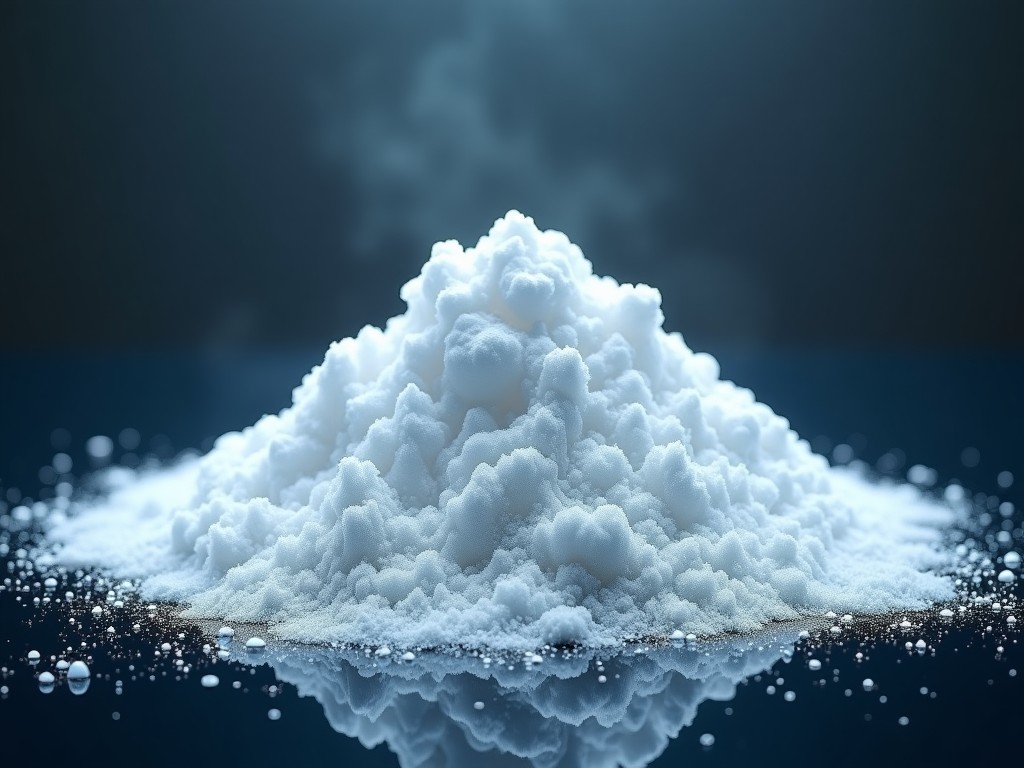
Purpose Of Silicon Dioxide Top Factory
Purpose of Silicon Dioxide
Silicon dioxide (SiO₂) is an inorganic oxide of silicon that occurs naturally as quartz and is produced synthetically for industrial use. Its primary purpose in manufacturing stems from its chemical inertness, high thermal stability, and ability to modify rheological properties of liquids and solids.
Chemical and Physical Characteristics
Typical purity levels for factory‑grade silica range from 99.5 % to 99.9 % SiO₂, with trace amounts of aluminum, iron, and alkali metals. The specific surface area, measured by BET analysis, varies between 5 and 300 m²/g depending on the production method (fumed, precipitated, or silica gel).
Particle size distribution is commonly expressed as D50 values from 0.01 µm (fumed) to 15 µm (ground quartz). Bulk density falls between 0.2 g/cm³ for lightweight grades and 2.2 g/cm³ for dense fused silica. Moisture content after drying is typically below 0.1 % w/w.
| Property | Typical Range | Test Method |
|---|---|---|
| SiO₂ Purity | 99.5 % – 99.9 % | X‑ray fluorescence (XRF) |
| Specific Surface Area (BET) | 5 – 300 m²/g | ISO 9277 |
| D50 Particle Size | 0.01 – 15 µm | Laser diffraction |
| Bulk Density | 0.2 – 2.2 g/cm³ | ASTM D1895 |
| Moisture Content | <0.1 % w/w | Thermogravimetric analysis (TGA) |
Manufacturing Considerations
Top‑tier factories produce silicon dioxide through either vapor‑phase hydrolysis of silicon tetrachloride (yielding fumed silica) or acid‑neutralization of sodium silicate (producing precipitated silica). The choice of route determines primary particle size, agglomeration structure, and surface silanol density.
Process controls focus on maintaining reaction temperature between 800 °C and 1200 °C for fumed processes, and pH between 6 and 8 for precipitation, to achieve consistent surface chemistry. Inline monitoring of particle size via laser diffraction ensures that the final product meets the targeted D50 specification.
Industrial Applications
Silicon dioxide serves distinct functions depending on the sector. In polymer compounding, it acts as a reinforcing filler that improves tensile strength and abrasion resistance while keeping the composite lightweight.
In coatings and inks, silica provides anti‑settling, thixotropic behavior, and matting effects, allowing formulators to control viscosity and gloss without adding solvents.
The food and pharmaceutical industries use ultra‑pure silica as an anti‑caking agent and glidant, ensuring powder flowability under humid conditions. Its inert nature complies with FDA 21 CFR §182.90 and EU E551.
Electronics manufacturers rely on fused silica wafers as substrates for semiconductor devices due to their low thermal expansion coefficient (≈0.5 × 10⁻⁶ /K) and high optical transparency in the UV‑visible range.
- Reinforcement in rubber and thermoplastic elastomers
- Viscosity control in paints, adhesives, and sealants
- Flow aid for powdered food, spices, and pharmaceutical excipients
- Substrate material for photolithography and MEMS
- Catalyst support in petrochemical refining
Quality Assurance and Testing
Factories implement a multi‑stage quality system that begins with raw‑material verification (silicon tetrachloride purity >99.9 %) and continues through in‑process checks of reaction temperature, pH, and particle size.
Final product testing includes loss on drying (LOD), ignition loss, pH of aqueous dispersion, and sieve analysis. Certificates of analysis typically report results to three significant figures, enabling traceability to batch numbers.
Statistical process control (SPC) charts monitor key parameters such as BET surface area and D50, with control limits set at ±3σ to detect shifts before they affect downstream performance.
Customization Options
Customers can request adjustments to surface treatment (e.g., silanization with alkylsilanes) to improve compatibility with specific polymer matrices. Silanization levels are expressed as weight percent of grafted silane, typically ranging from 0.5 % to 3.0 %.
Particle size can be tailored through milling or classification steps, providing D50 values from sub‑micron to coarse grades as required by the application. Packaging options include multi‑wall paper bags (25 kg), valve‑sealed polyethylene liners, or bulk pneumatic tanker delivery for volumes exceeding 10 t.
Frequently Asked Questions
Can the silica grade be customized for specific viscosity targets?
Yes. By adjusting the primary particle size and surface silanol concentration, manufacturers can achieve target low‑shear viscosity values ranging from 10 mPa·s to 10 000 mPa·s in liquid formulations.
What information is required before a quotation is issued?
Key data include desired purity, BET surface area, D50 particle size, any required surface treatment, and estimated annual volume. Providing the intended application helps the technical team recommend the most suitable grade.
Which packaging methods protect the product during export?
For moisture‑sensitive grades, inner polyethylene liners with desiccant packs are placed inside multi‑wall bags, then sealed in weather‑proof containers. Bulk shipments use nitrogen‑purged tankers to prevent humidity uptake.
What is the typical production lead time?
Lead times vary from 2 weeks for standard grades in stock to 6‑8 weeks for customized surface‑treated or fine‑particle lots, depending on raw‑material availability and scheduling.
For technical datasheets, sample requests, or to discuss a specific application, please contact our engineering team.
Contact Us