
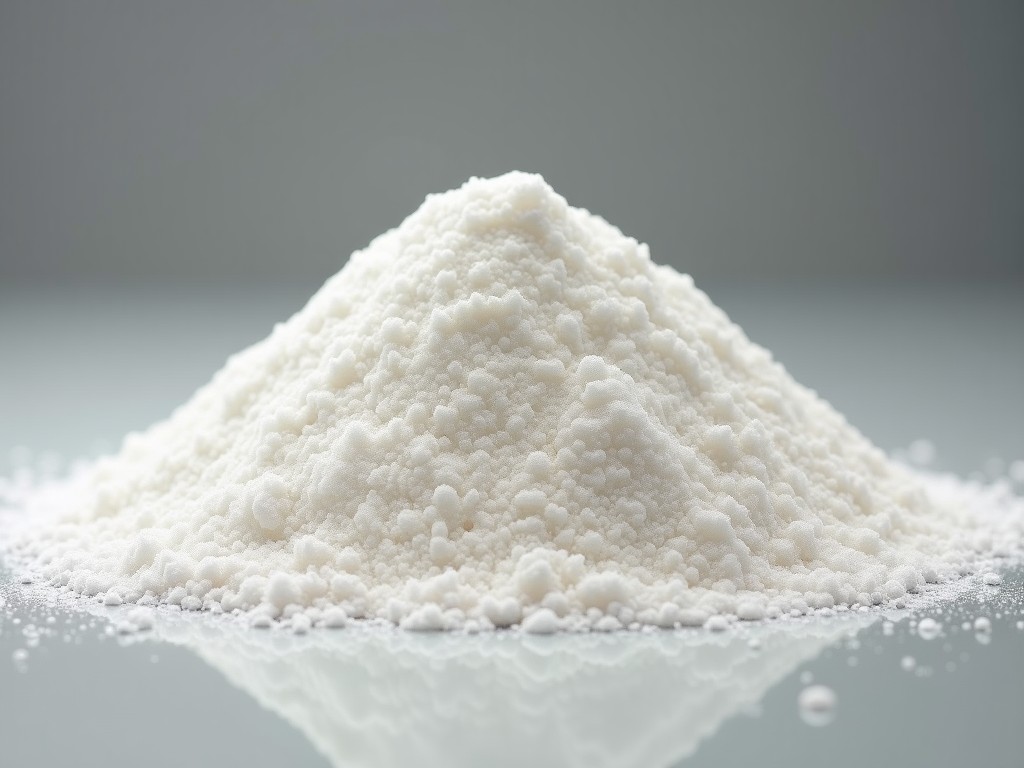
Sandblasting Silica Sand For Sale
Silica Sand for Sandblasting – Technical Overview
This page describes the properties and typical uses of graded silica sand intended for abrasive blasting operations. Understanding these characteristics helps engineers select a media that meets surface preparation requirements while controlling dust and equipment wear.
Material Composition and Physical Properties
The sand consists primarily of crystalline silica (SiO₂) with a typical purity of 99.0 % to 99.8 % by weight. Trace oxides such as iron, aluminum, and calcium are present at levels below 0.1 % each, which influences hardness and chemical stability.
Particle shape is sub‑angular to angular, produced by crushing and screening quartz deposits. This geometry provides the cutting action needed for effective coating removal while limiting excessive substrate erosion.
Typical Grading and Performance Data
| Parameter | Typical Value | Test Method / Note |
|---|---|---|
| Silica (SiO₂) content | 99.0 % – 99.8 % | XRF analysis |
| Mohs hardness | 7 | Standard mineral scale |
| Bulk density (loose) | 1.45 – 1.55 g/cm³ | ASTM C29 |
| Moisture content (max) | 0.2 % w/w | Oven dry at 105 °C |
| Grain size distribution (typical) | 0.30 mm – 0.85 mm (80 % passing) | Sieving per ASTM C136 |
Values above represent common product grades; specific projects may require tighter tolerances on size or lower moisture, which can be arranged as a custom order.
Primary Applications in Surface Preparation
Silica sand is selected when a moderate‑cost abrasive with high cutting efficiency is needed for removing rust, old paint, mill scale, or concrete laitance. Its angular grains produce a uniform anchor pattern that improves adhesion of subsequent coatings.
- Steel structure maintenance (bridges, tanks, pipelines)
- Ship hull cleaning and preparation for repainting
- Concrete surface profiling before overlay or sealing
- Removal of welding slag and spatter from fabricated parts
- Cleaning of masonry and stone surfaces prior to repointing
In each case, the abrasive must be matched to the blast pressure, nozzle size, and desired surface profile (often expressed as a mils range). Selecting a grade that is too fine can lead to excessive dust and embedment, while overly coarse grains may cause over‑peening.
Quality Control and Consistency
Each batch undergoes sieve analysis to verify that the cumulative percentage passing each screen falls within the agreed limits. Moisture is measured by loss‑on‑drying to prevent clogging of blast equipment. Silica content is confirmed by X‑ray fluorescence to ensure the abrasive retains its hardness characteristics.
Trace metal limits are monitored because elevated iron can increase the risk of sparking in certain environments, while high aluminum may affect the chemical compatibility with some coating systems. Results are recorded and available upon request.
Packaging, Handling, and Storage
Typical packaging consists of multi‑wall paper bags with an inner polyethylene liner, each bag holding 25 kg or 50 kg net weight. Bulk options include super‑sacks (1000 kg) or loose pneumatic tanker loads for high‑volume users.
To maintain low moisture, bags should be stored on pallets in a covered, dry area. Direct contact with concrete floors can introduce moisture; using pallets or dunnage is recommended. Proper sealing after opening prevents agglomeration that could affect flow through blast machines.
Customization Options
Depending on the blasting process, customers may request:
- Tighter size cuts (e.g., 0.30 mm–0.50 mm for delicate profiles)
- Lower moisture specifications (<0.05 % w/w) for humid climates
- Special packaging such as anti‑static bags or moisture‑barrier liners
- Pre‑blended mixtures with other abrasives to achieve hybrid cutting actions
All custom requirements are evaluated against the raw material capabilities and processing equipment before a formal quotation is issued.
Frequently Asked Questions
Can the grain size be adjusted for a specific surface roughness target?
Yes. By selecting a different screen cut or blending fractions, the median particle size (D50) can be shifted to produce the desired mils range. Provide the target profile and blasting pressure for a precise recommendation.
What information is needed to receive a quotation?
Specify the required quantity, preferred packaging (bag size or bulk), any special size or moisture limits, and the delivery destination. If the sand will be used in a regulated environment (e.g., aerospace), mention any certification needs.
How is the sand protected during export shipments?
Bags are placed on pallets, stretch‑wrapped, and loaded into containers with desiccant packs when long transit times or high humidity are expected. Bulk shipments use pneumatic trailers equipped with moisture‑sensing sensors.
Get in Touch
For technical assistance, sample requests, or a detailed quotation, please contact our sales engineering team. Provide your project specifications and we will respond with a tailored proposal.
Request Quote / Sample