
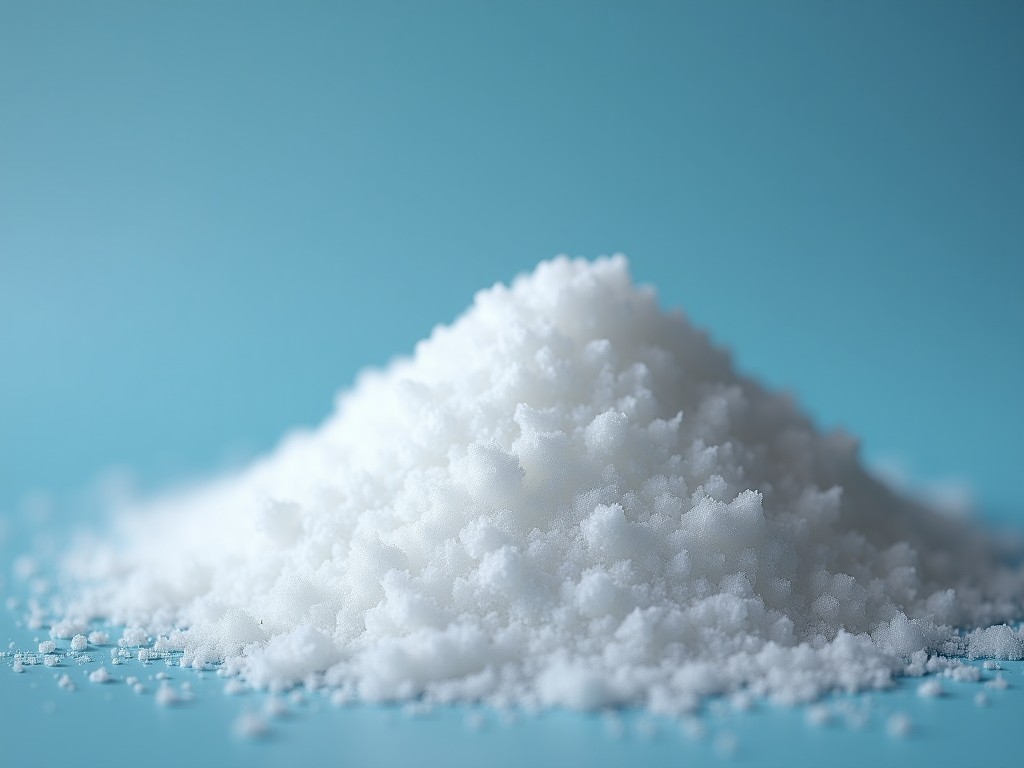
Silicon Dioxide Pharmaceutical Use
Silicon Dioxide for Pharmaceutical Applications
Silicon dioxide (SiO₂), also known as silica, is an inorganic compound widely used as an excipient in solid‑dose pharmaceutical formulations. Its primary functions stem from its adsorptive surface and flow‑enhancing properties, which help maintain uniformity and stability of active ingredients. The material is supplied in various grades distinguished by particle size, surface area, and moisture content to meet specific formulation needs.
Chemical and Physical Properties
Typical grades exhibit a purity of 99.5 % or higher, with loss on drying below 0.5 % after 2 h at 105 °C. The specific surface area, measured by BET analysis, ranges from 50 to 300 m²/g depending on the production method (precipitated, fumed, or gel). Particle size distributions are commonly reported as D₅₀ values between 5 µm and 25 µm, enabling control over flow and dispersion characteristics.
- Loss on drying (LOD): ≤0.5 % (105 °C, 2 h)
- pH of 5 % slurry: 5.0–8.0
- Bulk density: 0.3–0.6 g/cm³ (varies with grade)
- Tap density: 0.4–0.8 g/cm³
Roles in Pharmaceutical Formulations
In tablet and capsule manufacturing, silicon dioxide acts as a glidant that reduces interparticle friction, improving powder flow from the hopper to the die. Its high surface area enables adsorption of moisture or oily liquids, preventing caking and maintaining uniform blend consistency. Additionally, it can serve as a diluent or anti‑adherent coating on tablet surfaces to minimize sticking during compression.
Typical usage levels range from 0.1 % to 2.0 % w/w of the total formulation, depending on the drug’s flow properties and the required disintegration time. Exceeding these levels may prolong dissolution, so formulation engineers balance glidant efficacy against release profile targets.
Manufacturing Overview
Commercial silicon dioxide for pharmaceutical use is produced via either precipitation from silicate salts or flame hydrolysis of silicon tetrachloride. Precipitated silica yields a more porous agglomerate with higher surface area, while fumed silica provides a lower‑density, chain‑structured particle set. Both routes involve rigorous washing, drying, and milling steps to achieve the target moisture content and particle size distribution.
Final product is sieved or air‑classified to narrow the size fraction, then blended with anti‑caking agents if required, and packaged under controlled humidity to prevent premature adsorption.
Typical Specification Table
| Parameter | Typical Range | Test Method |
|---|---|---|
| Assay (SiO₂) | ≥99.5 % | ICP‑OES |
| Loss on Drying | ≤0.5 % | USP <731> |
| BET Surface Area | 50–300 m²/g | BET (N₂) |
| D₅₀ Particle Size | 5–25 µm | Laser Diffraction |
| pH (5 % slurry) | 5.0–8.0 | USP <791> |
| Bulk Density | 0.30–0.60 g/cm³ | ASTM B329 |
Customization Options
- Particle size adjustment via jet milling or classification (D₅₀ 2–50 µm)
- Surface treatment with silanes to modify hydrophobicity
- Blend with carriers such as microcrystalline cellulose for direct compression
- Custom packaging: multi‑wall bags, drums, or aseptic liners
- Documentation packages: COA, SDS, DMF, CEP upon request
Frequently Asked Questions
Get Technical Support
For formulation assistance, sample requests, or detailed specification sheets, contact our technical team.
Request Information