
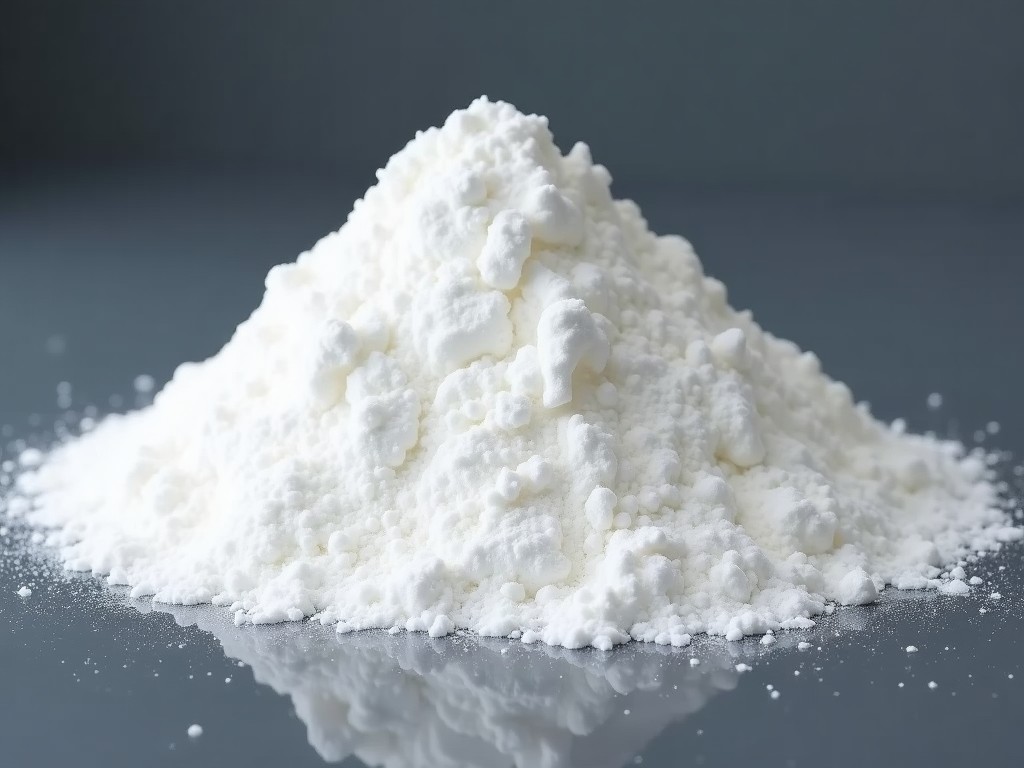
Silicon Dioxide Powder Price Per Kg Factory
Silicon Dioxide Powder – Price per kg from Factory
Silicon dioxide (SiO₂) powder, also known as silica powder, is an inorganic compound composed of silicon and oxygen atoms arranged in a tetrahedral network. Depending on the production method—fumed, precipitated, or silica gel—the powder exhibits distinct particle size distributions, surface chemistries, and bulk densities that determine its suitability for specific industrial functions.
Technical Characteristics
Key parameters that influence performance include primary particle size (often measured by laser diffraction), specific surface area (BET method), purity level (typically expressed as % SiO₂), loss on ignition (LOI), bulk density, and pH of aqueous suspensions.
- Primary particle size: ranges from 5 nm (fumed) to >10 µm (precipitated grades), affecting reinforcement and rheology.
- Specific surface area: 20–400 m²/g depending on grade; higher values improve filler‑matrix interaction.
- Purity: typical SiO₂ content 99.0–99.9 % for industrial grades; trace metals (Al, Fe, Na) reported in ppm.
- Loss on ignition: ≤1.0 % for low‑moisture grades, indicating minimal adsorbed water or volatiles.
- Bulk density: 0.05–0.6 g/cm³ for low‑density fumed silica; up to 0.8 g/cm³ for denser precipitated powders.
- pH (10 % slurry): generally between 3.5 and 5.5 for acidic grades; neutral grades around 6–8.
Typical Specifications
| Parameter | Typical Range | Unit |
|---|---|---|
| Primary particle size (D50) | 0.01–10 | µm |
| Specific surface area (BET) | 20–400 | m²/g |
| SiO₂ purity | 99.0–99.9 | % |
| Loss on ignition (LOI) | ≤1.0 | % |
| Bulk density | 0.05–0.8 | g/cm³ |
| pH (10 % slurry) | 3.5–8.0 | – |
Applications
The functional role of silicon dioxide powder depends on its surface area, particle size, and surface treatment. Below are typical use cases where specific grades deliver measurable benefits.
- Electronic encapsulants – nano‑silica improves dielectric strength and reduces coefficient of thermal expansion (CTE) when loaded at 5–15 wt %.
- Coatings and paints – acts as a rheology modifier, providing sag resistance and UV stability; typical loading 2–8 wt %.
- Adhesives and sealants – controls viscosity and prevents settling; fumed silica grades with surface‑hydrophobic treatment enable long‑term storage stability.
- Rubber compounds – reinforces tensile strength and abrasion resistance; particle size <100 nm yields optimal reinforcement.
- Catalyst supports – high surface area and thermal stability allow dispersion of active metals; calcined grades retain surface area >250 m²/g after 500 °C treatment.
Pricing Factors
The price per kilogram of silicon dioxide powder is not a fixed value; it varies according to several technical and logistical elements that influence production cost and value‑added services.
- Raw material route – fumed silica produced via flame hydrolysis of silicon tetrachloride generally carries a higher unit cost than precipitated silica from sodium silicate neutralization.
- Particle size and surface area – finer particles and higher BET values require additional milling or controlled precipitation steps, increasing energy consumption.
- Purity level – higher SiO₂ content and lower trace‑metal specifications demand extra purification steps (acid washing, filtration).
- Surface treatment – hydrophobic silanization or hydrophilic coating adds processing steps and material cost.
- Order volume – tiered pricing applies; bulk orders (≥10 t) reduce per‑kg cost due to optimized furnace utilization and packaging efficiencies.
- Packaging – multi‑layer moisture‑barrier bags with palletization incur higher handling cost than simple bulk sacks.
- Incoterms and freight – FOB factory price excludes inland transport, customs, and insurance; CIF destination adds logistics charges.
Quality Control
Manufacturers apply a combination of inline and batch testing to ensure each lot meets the agreed specification sheet. Typical control points include:
- Laser diffraction for particle size distribution (D10, D50, D90).
- BET analysis for specific surface area.
- ICP‑OES for trace metals (Al, Fe, Na, Ca).
- Thermogravimetric analysis (TGA) for loss on ignition.
- pH measurement of aqueous slurry.
- Visual inspection for agglomeration and foreign particles.
Packaging & Shipping
Protecting the powder from moisture uptake and contamination is essential for maintaining its performance characteristics, especially for high‑surface‑area grades.
- Inner layer – polyethylene liner (70 µm) provides a moisture barrier.
- Middle layer – polypropylene woven sack for mechanical strength.
- Outer layer – UV‑stabilized polyethylene film for puncture resistance.
- Bag sizes – 25 kg valve‑type bags are standard; 500 kg flexible intermediate bulk containers (FIBCs) available upon request.
- Palletization – bags stacked on heat‑treated wooden pallets, stretch‑wrapped, and corner‑protected for container loading.
- Container load – typical 20‑ft container holds 16–18 t of bagged product; 40‑ft container holds 32–36 t.
Frequently Asked Questions
-
Q: Can the particle size distribution be customized to a specific D50 target?
A: Yes, jet‑milling or controlled precipitation can achieve D50 values from 0.05 µm to 15 µm; final specifications are confirmed via laser diffraction before shipment. -
Q: What information is required to obtain a quotation?
A: Desired grade (fumed/precipitated), target particle size or surface area, purity level, any surface treatment, order quantity, preferred packaging, and delivery terms (FOB/CIF). -
Q: Are test reports provided with each batch?
A: A certificate of analysis (CoA) including particle size, BET surface area, SiO₂ purity, LOI, and trace‑metal content is supplied upon request; additional testing can be arranged. -
Q: How is quality consistency maintained across lots?
A: Statistical process control (SPC) monitors key parameters in real time; batch-to-batch variation is kept within ±5 % for D50 and ±3 % for BET. -
Q: What is the typical lead time for factory‑direct delivery?
A: Lead time ranges from 2–4 weeks for standard grades; customized sizes or treatments may extend to 6–8 weeks depending on furnace availability.
Get a Quote
To receive a detailed price per kilogram and lead‑time estimate, please provide your technical requirements.