
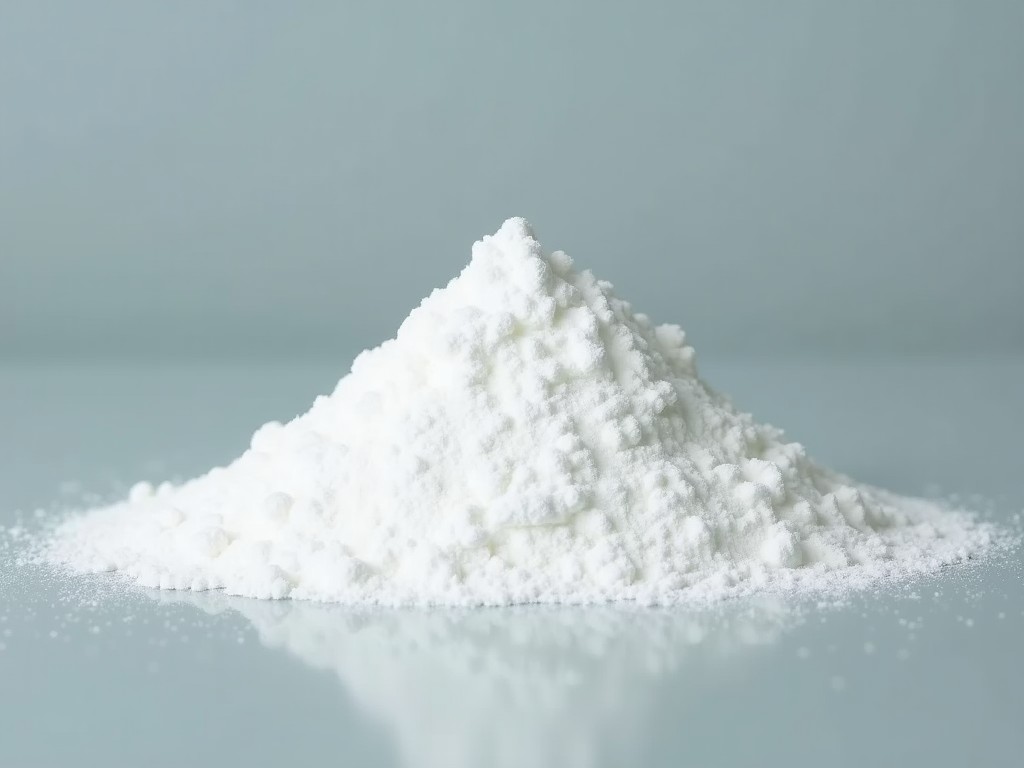
Bulk Small Talcum Powder Manufacturer
Bulk Small Talcum Powder Manufacturer
Talcum powder used in industrial applications is characterized by its particle size distribution, chemical purity, and bulk handling properties. This page outlines the technical specifications relevant to procurement engineers and OEM buyers.
Material Characteristics
The talc is milled to a median particle size (D50) of 5 µm, with a top cut (D98) below 20 µm. This range ensures good dispersion in polymer matrices while minimizing abrasion to processing equipment.
Chemical analysis shows magnesium silicate content ≥ 98 % (Mg3Si4O10(OH)2), with loss on ignition (LOI) ≤ 0.5 % at 1000 °C, indicating low volatile matter and moisture.
Typical Industrial Applications
- Reinforcement filler in polypropylene and PVC compounds, improving stiffness and heat deflection temperature.
- Anti‑blocking agent in polyethylene films, reducing coefficient of friction.
- Carrier for cosmetic and pharmaceutical powders, providing smooth feel and low irritation potential.
- Lubricant in rubber processing, decreasing mold stickiness and improving release.
Technical Specification (Typical Values)
| Parameter | Typical Value | Test Method |
|---|---|---|
| Median particle size (D50) | 5 µm | Laser diffraction (ISO 13320) |
| Top cut (D98) | <20 µm | Laser diffraction |
| Magnesium silicate content | ≥ 98 % | X‑ray fluorescence (XRF) |
| Loss on ignition (LOI) | ≤ 0.5 % | Thermogravimetric analysis (TGA) |
| Bulk density | 0.45–0.55 g/cm³ | ASTM C110 |
| Moisture content (Karl Fischer) | ≤ 0.05 % | ASTM E203 |
Customization Options
Particle size can be adjusted between 2 µm and 15 µm D50 upon request, with corresponding changes in bulk density and surface area. Surface treatment with silane or stearic acid is available to improve compatibility with specific polymer systems.
Packaging and Logistics
- Multi‑wall paper bags with inner polyethylene liner, 25 kg net weight.
- Flexible intermediate bulk containers (FIBCs), 500 kg or 1000 kg capacity, with UV‑stabilized fabric.
- Bulk tanker transfer for direct silo feeding, using pneumatic conveying lines.
Quality Control Philosophy
Each batch undergoes laser diffraction for particle size, XRF for chemical purity, and thermogravimetric analysis for LOI. Results are recorded in a batch traceability system linked to the certificate of analysis (CoA) shipped with the product.
Frequently Asked Questions
Can the particle size distribution be customized?
Yes. The milling process can be tuned to achieve D50 values from 2 µm to 15 µm, with corresponding adjustments to the D98 cut and bulk density. Specify the target range during quotation.
What information is required for a quotation?
Required details include: desired particle size (D50), any surface treatment, order quantity (kg or tons), packaging preference (bags, FIBC, bulk), and destination for freight calculation.
How is product quality verified before shipment?
A representative sample from each batch is tested for particle size, chemical purity, LOI, and moisture. The CoA includes these results and is provided with the shipping documents.
What are the typical lead times?
For standard grades, production lead time is 2–3 weeks after receipt of purchase order. Custom grades may require an additional week for process adjustment.
Request a Technical Quote
To receive a detailed quotation and sample availability, please provide your specifications via the contact form.
Contact Sales