
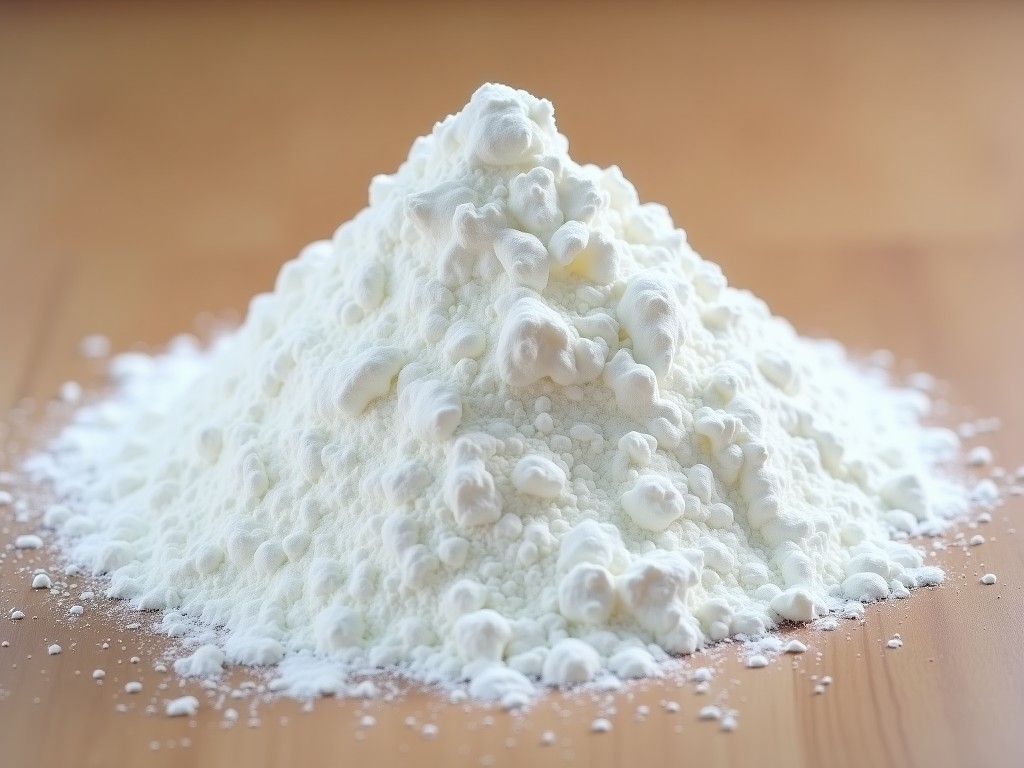
Buy Talcum Powder For Dry Skin
Talcum Powder for Dry Skin Applications
Talcum powder, primarily composed of hydrated magnesium silicate, is used in personal‑care formulations to provide a smooth feel and moisture‑absorbing capacity. For dry‑skin products the powder must meet tight limits on particle size, moisture, and trace impurities to avoid irritation and ensure consistent dispersion.
Key Technical Characteristics
The performance of talc in skin‑care matrices depends on measurable attributes that can be controlled during milling and classification. The following values are typical for grades intended for dry‑skin formulations; actual specifications can be adjusted per project requirements.
| Property | Typical Range | Test Method (Reference) |
|---|---|---|
| Median particle size (D50) | 2 – 6 µm | Laser diffraction (ISO 13320) |
| Upper limit (D99) | ≤15 µm | Laser diffraction |
| Moisture content (loss on drying) | ≤0.5 wt% | Thermogravimetric analysis (105 °C, 2 h) |
| pH (10 % slurry) | 8 – 10 | ISO 787‑9 |
| Loss on ignition (LOI, 1000 °C) | ≤4 wt% | Gravimetric |
| Bulk density (loose) | 0.25 – 0.35 g cm⁻³ | ASTM B212 |
Why Particle Size Matters for Dry‑Skin Formulations
In lotions, creams, and powders, talc acts as a filler and slip agent. If the D99 exceeds 15 µm, larger particles can create a gritty sensation on the skin and may settle during storage, leading to uneven distribution. Maintaining D50 between 2‑6 µm provides sufficient surface area for adsorption while keeping the feel silky.
Moisture content influences microbial stability and powder flow. Excess moisture (>0.5 wt%) promotes clumping and can degrade preservative systems, whereas very low moisture (<0.1 wt%) may increase electrostatic charge, affecting dispensing.
Material Purity and Trace Impurities
Talc used in cosmetics must satisfy limits for heavy metals (e.g., lead, arsenic, cadmium) and asbestiform fibers. Typical specifications request lead < 10 ppm, arsenic < 2 ppm, cadmium < 1 ppm, and confirmed absence of asbestiform tremolite/actinolite via polarized light microscopy (PLM) or transmission electron microscopy (TEM).
Loss on ignition indicates the amount of volatile constituents (e.g., carbonates, organics). Keeping LOI ≤ 4 wt% ensures that the talc does not contribute to odor or interfere with fragrance stability in the final product.
Packaging Options
To preserve product integrity, talc is supplied in multi‑layer bags that protect against moisture uptake and contamination. Common configurations include:
- 25 kg kraft bag with inner polyethylene liner
- 20 kg corrugated carton with inner foil barrier
- 500 g resealable pouches for sample or small‑batch trials
All packaging can be customized with printed lot numbers, barcodes, and customer‑specific labeling upon request.
Quality Control Philosophy
Each lot undergoes a defined control plan: particle size distribution is measured by laser diffraction on a representative sample; moisture content is determined by thermogravimetric analysis; heavy‑metal limits are verified by ICP‑MS; and fiber content is assessed by PLM/TEM when required. Results are recorded in a batch record and made available to the purchaser.
This approach reduces uncertainty for formulators by providing traceable data that links raw‑material attributes to final‑product performance.
Request Information or Samples
If you need a quotation, technical data sheet, or a sample for formulation testing, please provide the required quantity, target particle‑size range, and any specific purity limits. Our technical team will respond with a detailed proposal.
Contact Us for Quote or Sample