
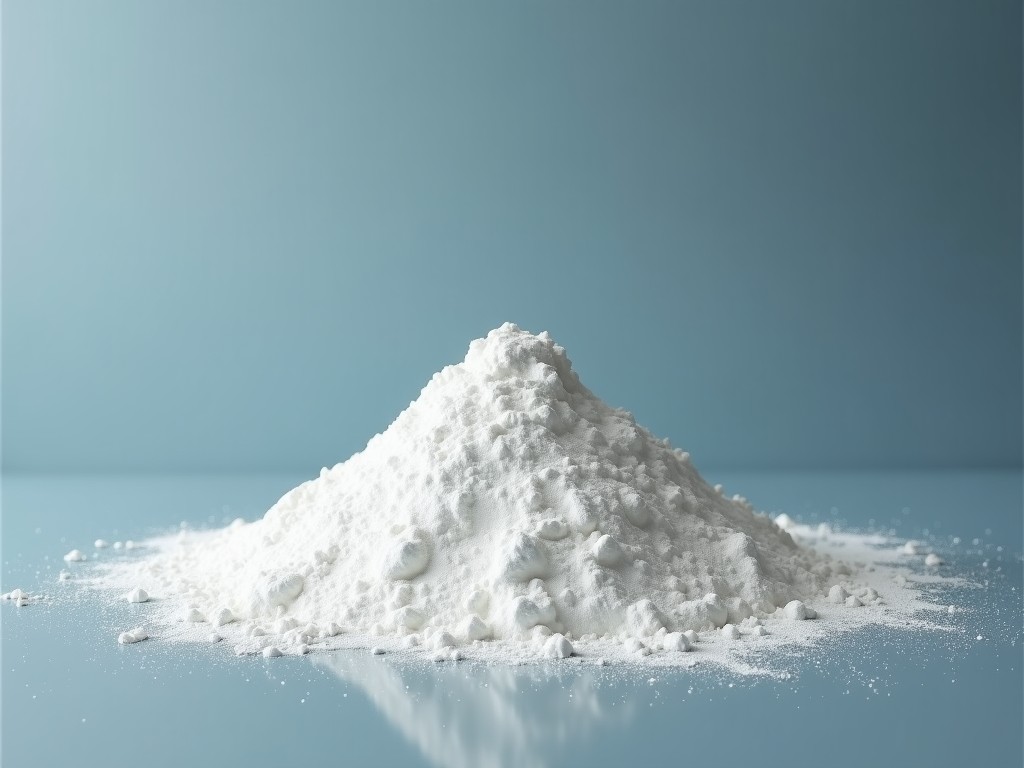
Odm Purified Talc Powder Factory
ODM Purified Talc Powder Factory – Technical Overview
This page describes the production capabilities of an ODM facility that supplies purified talc powder for industrial applications. The material is processed to meet specific chemical and physical specifications required by downstream manufacturers.
Chemical Composition and Purity
The talc undergoes acid washing and thermal treatment to reduce impurities such as iron oxide, calcium carbonate, and silica. Typical magnesium silicate content exceeds 95 % with loss on ignition below 0.5 %.
Key Physical Properties
| Property | Typical Value | Test Method |
|---|---|---|
| Particle size (d50) | 4–6 µm | Laser diffraction |
| Brightness (ISO‑Blue) | 95 % | ISO 2470 |
| Specific gravity | 2.75 g/cm³ | ASTM D792 |
| Moisture content | <0.05 % | Karl Fischer |
| pH (10 % slurry) | 8.5–9.5 | ASTM D1208 |
Manufacturing Process Overview
Raw talc ore is first crushed and milled to a coarse fraction, then subjected to wet grinding in a ball mill with deionized water. The slurry passes through a series of hydrocyclones to remove coarse particles, followed by magnetic separation to extract ferrous contaminants. After filtration, the cake is dried in a rotary dryer at 150 °C and finally milled to the target particle size using a jet mill.
Typical Industrial Applications
In polypropylene compounds, purified talc acts as a nucleating agent that increases stiffness and improves heat deflection temperature. In PVC cables, it functions as a filler that enhances flame retardancy and reduces smoke density. In ceramic glazes, the low iron content prevents discoloration during firing, while the lamellar particle shape contributes to green strength.
Quality Assurance and Testing
Each batch undergoes a full certificate of analysis that includes chemical assay, particle size distribution, whiteness, loss on ignition, and moisture content. Samples are retained for twelve months and can be re‑tested upon customer request. The facility follows ISO 9001:2015 procedures for document control and internal audits.
Customization Options
- Particle size adjustment – d50 ranging from 2 µm to 15 µm achievable via jet‑mill classification.
- Surface treatment – silane or stearate coating for improved polymer compatibility.
- Packaging – multi‑wall paper bags (25 kg), valve‑sealed polyethylene liners, or bulk flexible intermediate bulk containers (FIBCs).
- Additive blending – incorporation of anti‑static agents or flame retardants directly during milling.
Packaging and Logistics
Finished product is conveyed to a bagging line where weight is checked with load‑cell accuracy of ±0.1 %. Bags are sealed, palletized, and stretch‑wrapped. For export, containers are fitted with desiccant packs and humidity indicators to maintain moisture below 0.05 % during transit.
Frequently Asked Questions
- Can the talc be supplied with a specific surface treatment?
- Yes, silane or stearate coatings are available; the required dosage is determined by the polymer system.
- What information is needed for a quotation?
- Target particle size, any surface treatment, order quantity, preferred packaging, and delivery destination.
- How is batch‑to‑batch consistency verified?
- Statistical process control charts monitor d50, whiteness, and loss on ignition; each lot is accompanied by a COA showing actual measured values.
- What is the typical lead time?
- Standard lead time is three to four weeks after receipt of a signed purchase order, subject to raw material availability.
Contact for Technical Inquiry
To request a sample, discuss custom specifications, or obtain a detailed quotation, please contact our technical team via the inquiry form.
Send Inquiry