
Talc powder
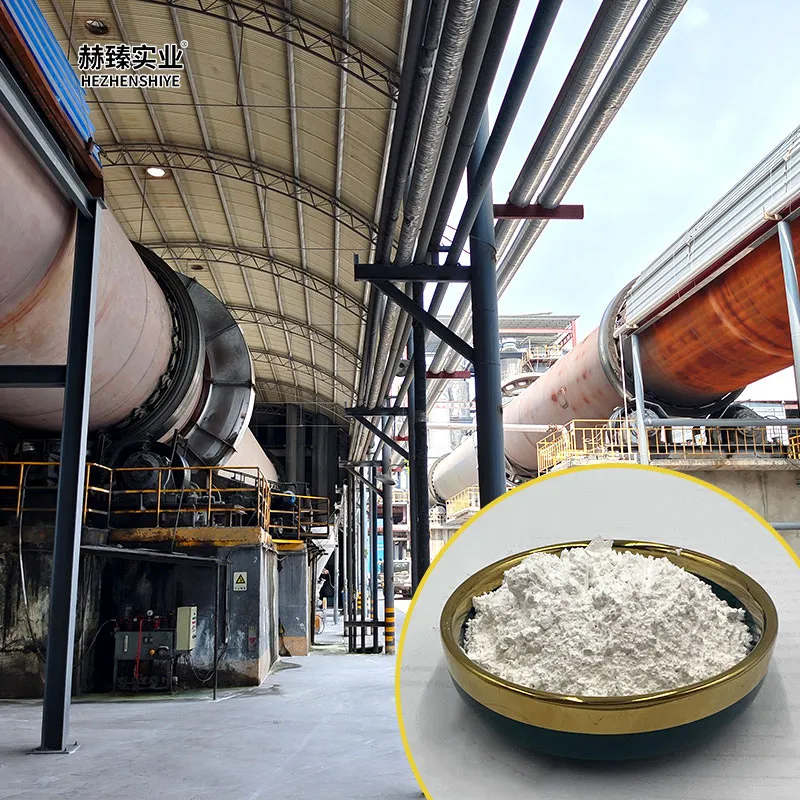
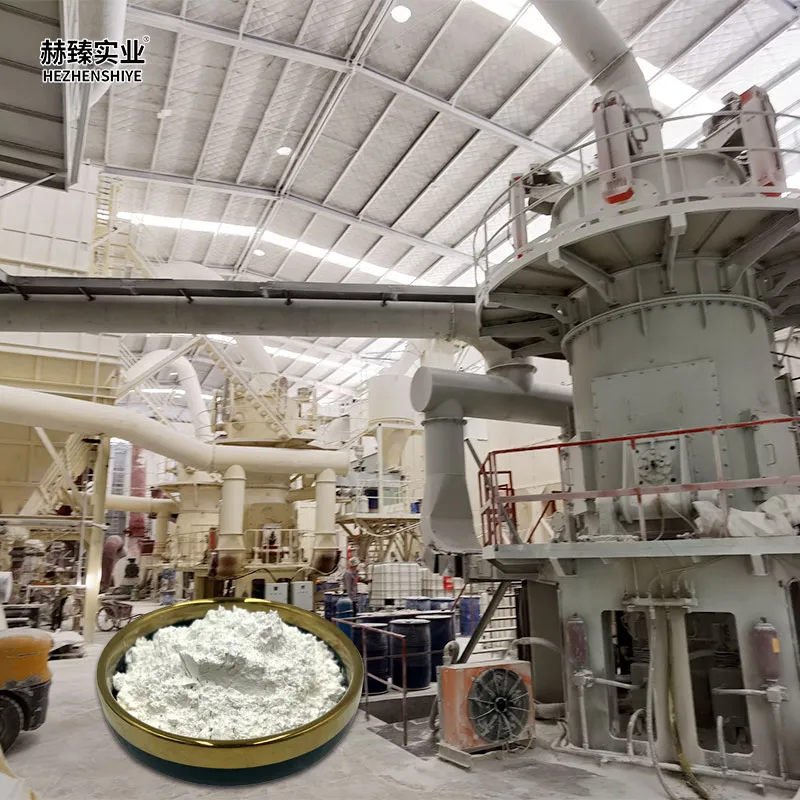
Product Overview – Premium Talc Powder for Plastic and Industrial Applications
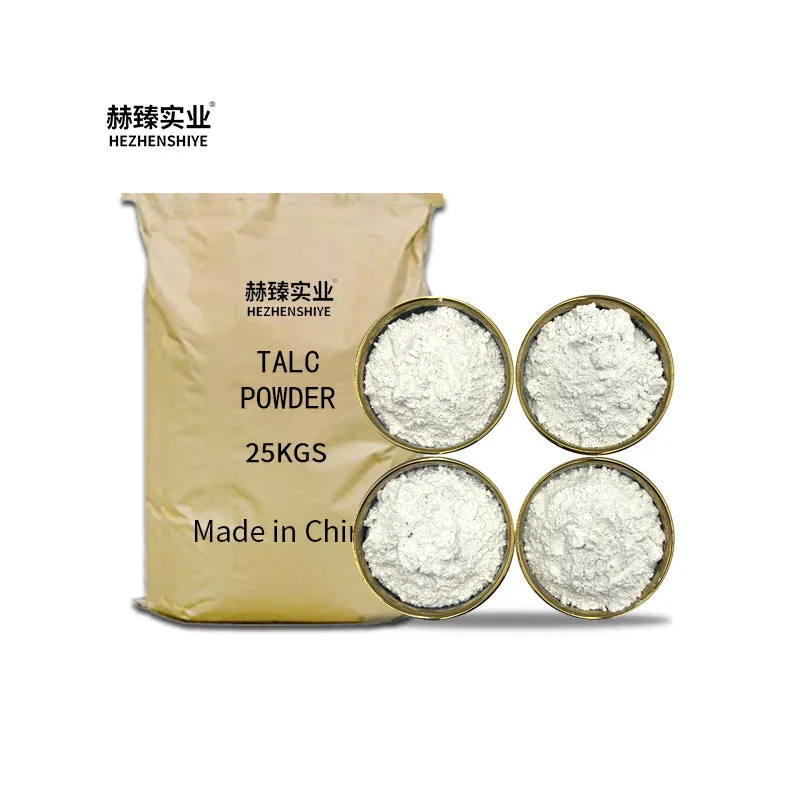
Our high-purity talc powder (CAS No. 14807-96-6) is a finely milled, chemically inert mineral additive engineered specifically for plastic modification, rubber compounding, and industrial coating systems. With a purity range of 90–95% and available in both Industrial Grade and Food Grade, this versatile powder delivers consistent performance across demanding applications. Its lamellar (plate-like) particle structure provides exceptional reinforcement, dimensional stability, and thermal resistance when incorporated into polymer matrices. Whether used as a filler in polypropylene compounds, a processing aid in rubber formulations, or an anti-settling agent in paints, our talc powder meets rigorous quality standards for global supply chains.
Sourced from premium deposits in China and processed under strict quality control, this talc product offers a white to light gray appearance, low abrasion, and excellent dispersion characteristics. It is ideal for manufacturers seeking to reduce material costs without compromising mechanical properties or surface finish. With a minimum order quantity of just 1 kg and customizable packaging options, it serves both laboratory-scale evaluations and full production runs.
Role in Plastic Modification – Key Benefits and Performance Enhancements
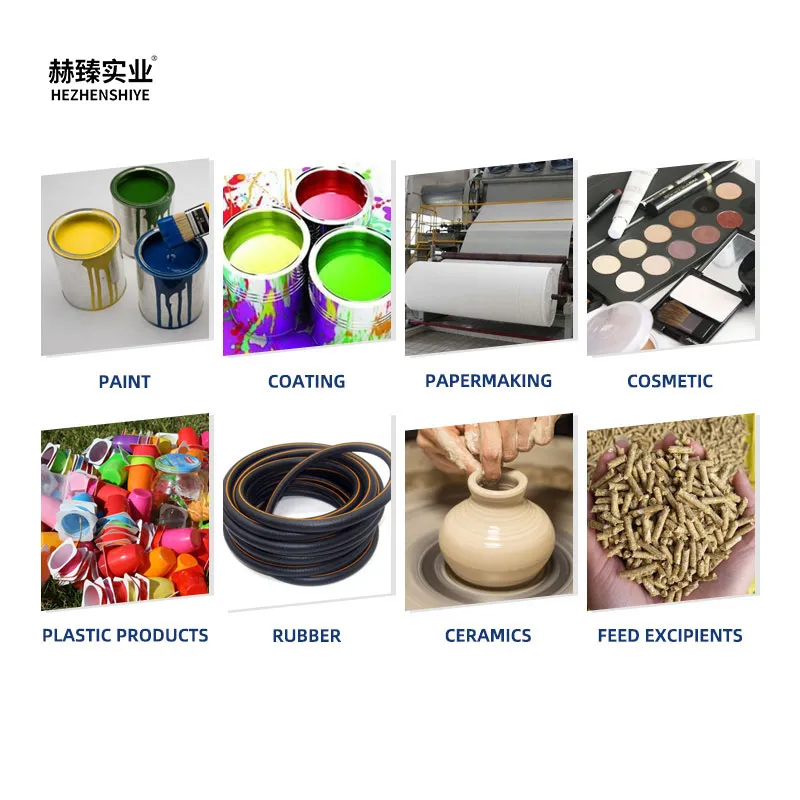
In the plastic compounding industry, talc powder acts as a high-performance reinforcing filler. Its platy morphology and high aspect ratio significantly improve the mechanical properties of thermoplastic materials such as polypropylene (PP), polyethylene (PE), and nylon. By incorporating 10–40% talc by weight, compounders achieve notable increases in flexural modulus, heat deflection temperature (HDT), and creep resistance. This allows plastics to replace heavier engineering materials in automotive interior parts, appliance housings, and electrical enclosures.
Beyond stiffness and thermal stability, talc powder enhances dimensional accuracy by minimizing shrinkage and warpage during injection molding and extrusion processes. Its nucleating effect promotes faster crystallization of semi-crystalline polymers, reducing cycle times and boosting production throughput. Additionally, the fine particle size distribution (typically 5–20 microns) ensures uniform dispersion, yielding consistent color, gloss, and surface smoothness across molded parts. For food-contact applications, our Food Grade variant complies with relevant safety regulations, making it suitable for packaging films and containers.
In engineering plastics, talc also improves scratch resistance and reduces coefficient of thermal expansion (CTE), which is critical for precision components exposed to temperature fluctuations. Compounders can thus tailor formulations to meet specific end-use requirements while lowering overall raw material costs by 15–30% compared to unfilled resins.
Expanded Applications – Beyond Plastics into Rubber, Coatings, and Construction
Rubber Compounding
In the rubber industry, talc powder serves as a semi-reinforcing filler that enhances processability and final part performance. Its large surface area and platelet structure improve dispersion within elastomeric compounds, boosting tensile strength, tear resistance, and abrasion resistance by 20–40% depending on loading levels. This makes it an ideal cost-effective alternative for manufacturing durable rubber products such as tires, industrial hoses, conveyor belts, gaskets, and seals. Talc also acts as a mold-release agent and reduces die swell during extrusion, leading to tighter dimensional tolerances and reduced scrap rates. Furthermore, its hydrophobic nature improves moisture resistance in outdoor rubber goods, extending service life in harsh environments.
Paints and Coatings
Talc powder is a functional additive in both architectural and industrial paints. When incorporated at levels of 5–15%, it acts as a thixotropic agent and anti-settling aid, ensuring consistent viscosity and preventing pigment settling during storage and application. For road-marking paints, our talc improves sprayability, adhesion to asphalt and concrete, and weather resistance against UV radiation, moisture, and freeze-thaw cycles, thereby prolonging marking visibility and road safety. In interior wall paints, it contributes to opacity, scrub resistance, and a smooth matte finish while reducing the need for more expensive TiO₂ pigments.
Construction and Thermal Insulation
As a mineral-based filler, talc powder is also utilized in the production of thermal insulating materials and cementitious compounds. Its lamellar structure creates a tortuous path for heat flow, reducing thermal conductivity by up to 25% in insulation boards and plasters. In drywall joint compounds and tile adhesives, it improves workability, crack resistance, and water retention. These properties make talc a valuable component in sustainable building materials aimed at reducing energy consumption in residential and commercial structures.
Technical Specifications and Quality Assurance
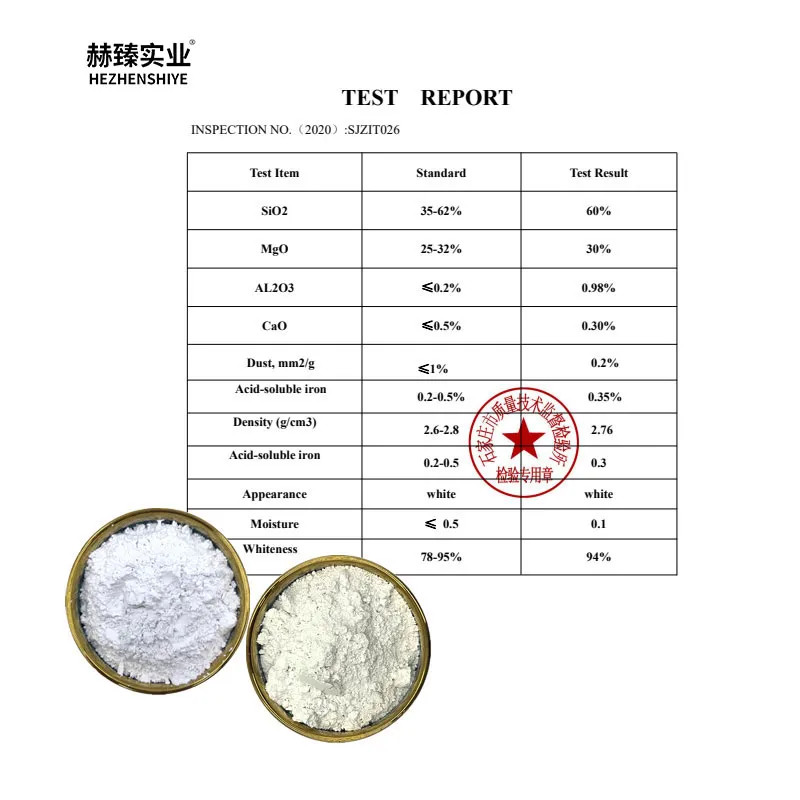
Our talc powder is manufactured in accordance with ISO 9001 quality management systems, ensuring batch-to-batch consistency and compliance with international standards. The key technical specifications are summarized below:
| Cas No. | 14807-96-6 |
| Place of Origin | China |
| Color | White/Gray |
| Shape | Powder |
| Purity | 90-95% |
| Grade | Industrial Grade, Food Grade |
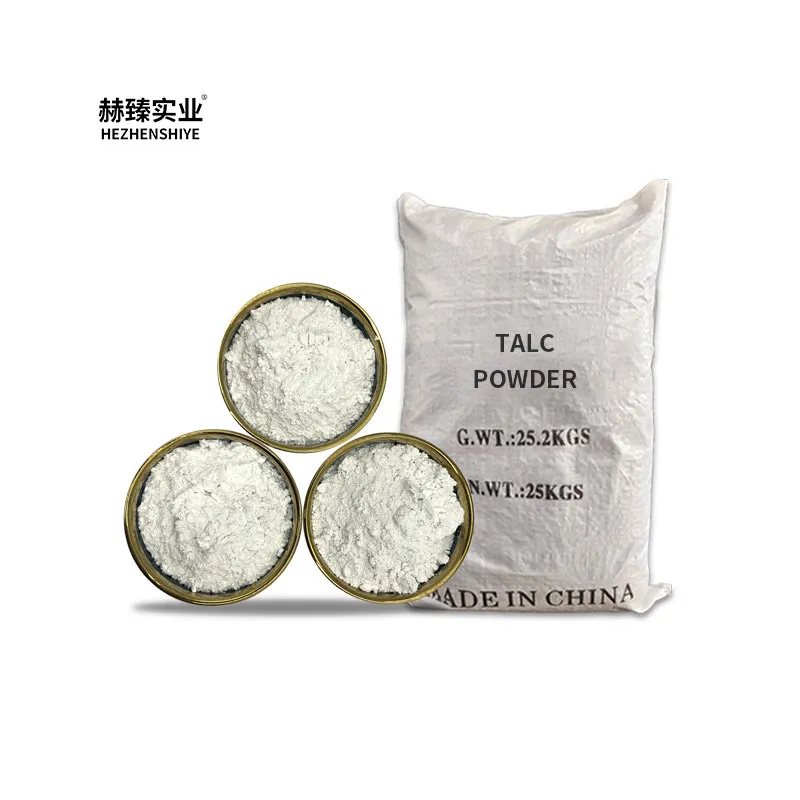
| Package | 25 kg/bag, customized package |
| MOQ | 1 kg |
The product undergoes rigorous testing for particle size distribution, whiteness (GE brightness >85%), moisture content (<0.5%), and acid-soluble matter to guarantee performance in sensitive applications. We also offer surface-treated variants with stearic acid or silane coupling agents for enhanced compatibility with specific polymer systems.
Supply Chain, Packaging, and Global Logistics
We maintain ready stock for spot supply, enabling rapid fulfillment of both small-sample requests (starting from 1 kg) and full container loads. Standard packaging consists of 25 kg multi-layer kraft paper bags with a polyethylene inner liner for moisture protection. Customized packaging options—such as 500 kg jumbo bags, 1-ton FIBCs, or private-labeled bags—are available upon request. Our logistics partners ensure secure and timely delivery to ports worldwide, with FOB, CIF, and DDP terms supported. For bulk orders exceeding 20 metric tons, please contact our sales team to negotiate volume discounts and expedited shipping schedules.
To request a free sample or technical data sheet (TDS / MSDS), please visit our Contact page or reach out directly via email. We look forward to supporting your product development and manufacturing excellence with high-quality talc powder tailored to your specific application requirements.