

color sand technical parameters and performance analysis
The integration of granular aesthetics into modern industrial design has transformed how we perceive surface textures and visual depth. From the precision of luxury hourglasses to the durability of architectural epoxy flooring, the use of specialized mineral pigments has evolved beyond simple coloring into a strategic design choice.
Achieving the right balance between purity, color consistency, and grain size is critical for professionals in the arts and construction industries. The shift toward high-purity industrial grade materials ensures that the visual vibrancy does not compromise the structural integrity of the medium, whether it is a lacquer finish or a delicate sand painting.
Exploring the technical nuances of color sand reveals how non-metallic mineral processing enables the creation of a vast spectrum of hues, providing a versatile medium for both creative expression and industrial application.
Mineral Foundations of Decorative Sands
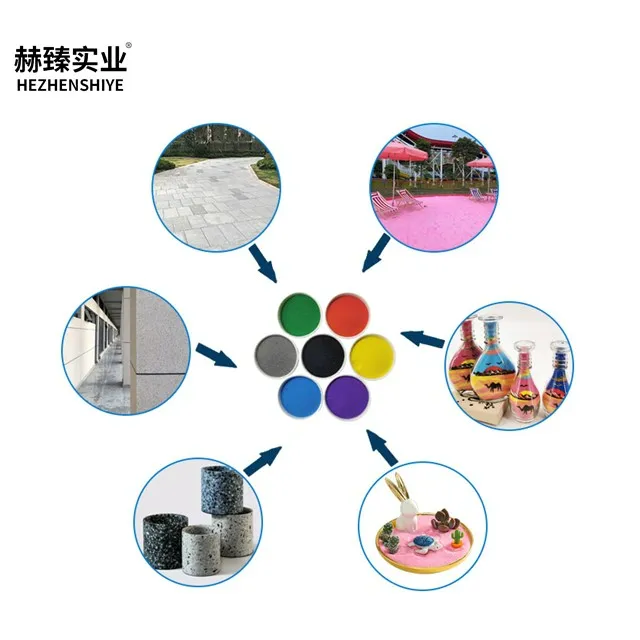
At its core, industrial color sand is the result of precise non-metallic mineral processing. By utilizing base minerals and integrating stable pigments, manufacturers can produce grains that maintain their color under various environmental stresses. The process involves rigorous grading to ensure that the particle size remains consistent, which is vital for flow-based applications like hourglasses.
Hebei Hezhen Industrial Co., Ltd. leverages its location in the resource-rich Shijiazhuang region to refine these materials. By applying ISO9001:2000 certified quality systems, the production focuses on removing impurities, resulting in a high purity level—often reaching 97%—which prevents the discoloration typically found in lower-grade mineral sands.
Technical Parameters for Quality Assessment
When evaluating industrial-grade sand, the primary technical metric is the purity level. A purity of 97% indicates that the material is largely free from organic contaminants and unwanted mineral inclusions, which ensures that the pigmentation remains vivid and does not bleed when mixed with binders like epoxy or lacquer.
The granularity—or shape of the sands—further dictates the material's performance. For instance, in sand painting, a consistent granular texture is required to create depth and interest. If the particles are too irregular, the layering effect is lost; if they are too smooth, the sand may fail to adhere to the canvas or substrate.
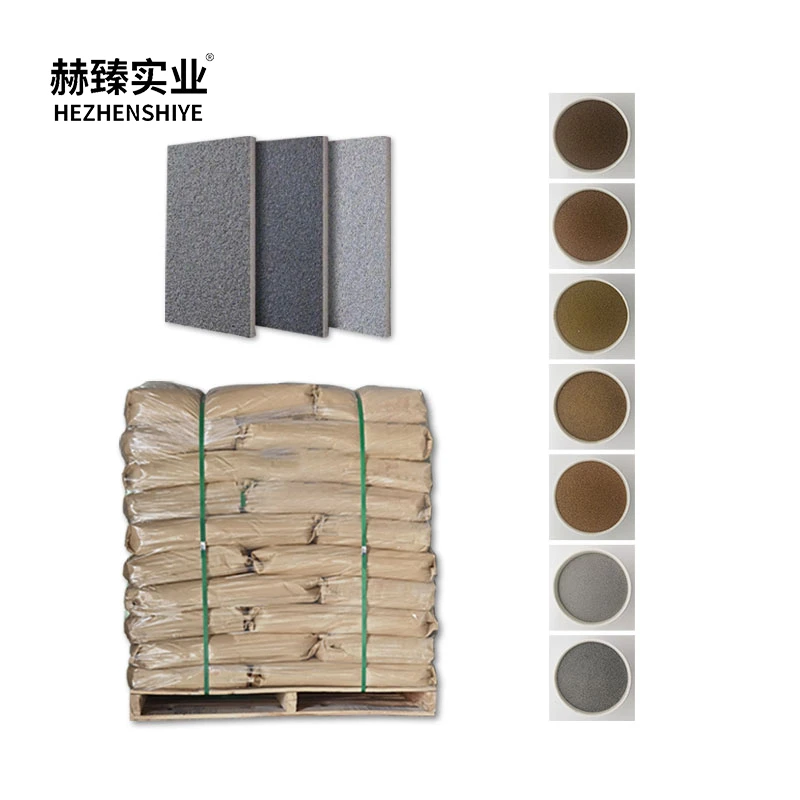
Packaging and stability are also key industrial considerations. Providing the material in 25kg bags or customized packaging ensures that the sand remains dry and uncontaminated during transit, which is essential for maintaining the flow characteristics required in precision timekeeping devices or architectural finishes.
The Synergy of Texture and Hue
The visual impact of color sand is not solely dependent on the pigment used, but on how that pigment interacts with the mineral's surface texture. The ability to offer a wide array of options—up to 72 colors—allows designers to blend and layer hues to achieve a three-dimensional effect that flat paints cannot replicate.
The structural value of color sand lies in its dual role as both a chromatic agent and a textural additive, transforming smooth surfaces into high-contrast, tactile environments.
This synergy is particularly evident in flooring applications. When incorporated into lacquer or epoxy finishes, the granular nature of the sand creates a striking contrast against the glossy surface. This not only enhances the aesthetic appeal but also provides a functional slip-resistant quality to the floor.
Comparative Performance Metrics
Understanding the relative suitability of mineral sands across different applications requires a qualitative analysis of their physical properties. Factors such as flow rate, color stability, and adhesive compatibility vary depending on the intended use, from fine arts to heavy-duty industrial flooring.
The following model illustrates the relative performance index of industrial sand across five key evaluation dimensions, highlighting where high-purity materials provide the most significant advantage over standard grades.
Figure 2. Material Performance Index by Application Factor
Diversified Application Scenarios
In the realm of fine arts, the utility of color sand is centered on its ability to be layered. Artists utilize the granular texture to build depth, blending vibrant hues to create complex patterns that possess a physical presence on the canvas. This makes it a preferred medium for those seeking a tactile alternative to traditional pigments.
Conversely, in industrial settings, the focus shifts to durability. When integrated into epoxy flooring, the sand provides a visual pop of color while enhancing the floor's resistance to wear. Similarly, in the production of decorative hourglasses, the slow and steady flow of the sand is the primary requirement, necessitating a high degree of uniformity in particle shape and size.
Evolutions in Non-Metallic Mineral Processing
The processing of non-metallic minerals is moving toward higher precision and sustainability. Modern techniques now allow for a more refined control over the purity of the base minerals, reducing the amount of chemical additives required to achieve deep, saturated colors. This evolution ensures that the final product is more stable and environmentally friendly.
Technological advancements in grinding and sieving have also enabled the production of more consistent grain sizes. This is particularly important for high-end decorative products where any variation in particle size could disrupt the visual flow or the timing of a precision instrument.
Looking forward, the industry is exploring the integration of other functional powders—such as those found in Hezhen's wider portfolio including Mica Flake and Diatomite Powder—to create hybrid materials that offer both aesthetic beauty and specialized industrial properties, such as enhanced heat resistance or specific refractive indices.
Selection Framework for Industrial Buyers
Selecting the appropriate grade of mineral sand requires a clear understanding of the trade-offs between cost, purity, and application. A buyer focused on artistic sand painting will prioritize color variety and textural depth, whereas a construction firm will prioritize purity and the sand's interaction with chemical binders.
It is common for buyers to overlook the importance of purity until the final curing stage of a project, where impurities can cause bubbling or uneven coloring in epoxy finishes. Therefore, specifying "Industrial Grade" with a verified purity percentage is a critical risk-mitigation step.
To assist in the decision-making process, the following framework outlines the primary considerations when choosing between different grades of decorative and functional sands.
| Application | Key Requirement | Critical Parameter | Recommended Grade |
|---|---|---|---|
| Sand Painting | Visual Depth | Grain Consistency | High-Purity Decorative |
| Hourglass Fill | Flow Rate | Particle Uniformity | Precision Industrial |
| Epoxy Flooring | Binder Adhesion | Chemical Purity | Industrial Grade 97% |
| Lacquer Finishes | Color Saturation | Pigment Stability | High-Saturation Grade |
| General Crafts | Cost Efficiency | Color Variety | Standard Industrial |
| Custom Decor | Unique Texture | Custom Grain Size | Specialty Processed |
Questions & Answers
Industrial grade refers to mineral sand that has undergone a standardized processing cycle to ensure a specific purity level—typically around 97%—and consistent particle sizing. Unlike craft-grade sand, industrial grade is designed to be compatible with chemical resins and lacquers without causing adverse reactions or discoloration, making it suitable for large-scale architectural and commercial projects.
High purity is essential because contaminants in the sand can interfere with the chemical curing process of epoxy. Impurities may lead to "blooming" (white spots on the surface) or cause the colors to fade prematurely when exposed to UV light. Using a high-purity mineral ensures that the vibrant colors remain saturated and the surface remains smooth and free of structural defects.
The flow rate in hourglasses is primarily influenced by the grain shape and the consistency of the particle size. Any variation in the size of the grains can cause "bridging," where particles jam the opening, leading to an inconsistent flow. Industrial processing ensures that the grains are uniform, allowing for a steady, predictable stream that is critical for accuracy.
Yes, the granular nature of the sand allows for physical blending. Because the colors are stable and based on a consistent mineral substrate, different hues can be mixed to create custom gradients or layered to produce a textured, multi-dimensional effect in sand art. This versatility is one of the primary reasons it is favored over liquid pigments in specific decorative applications.
To maintain quality, mineral sand should be stored in a cool, dry environment to prevent moisture absorption, which can cause clumping. Standard industrial packaging, such as 25kg bags, is designed to protect the material from humidity and contamination. For large orders, customized moisture-proof packaging is recommended to ensure the material arrives in optimal condition for immediate use.
Naturally colored sands are limited by geological availability and often have inconsistent purity and grain size. Industrial color sand is engineered to provide a specific, repeatable color (up to 72 options) and a uniform physical structure. This engineering allows for a level of precision in color matching and performance that natural sands cannot provide, especially in commercial architectural settings.
Final Thoughts
The application of color sand represents a intersection of mineral science and aesthetic design. By prioritizing technical parameters such as purity and grain uniformity, manufacturers can provide a medium that serves both the imaginative needs of the artist and the rigorous demands of the industrial engineer.
As non-metallic mineral processing continues to advance, the ability to customize these materials will only increase, offering new possibilities for surface textures and chromatic expressions in the built environment.