

Tourmaline for sale Technical Grade Performance Analysis
Selecting a functional mineral for industrial or decorative use requires a clear understanding of its physical properties and purity levels. For those searching for tourmaline for sale, the focus often shifts from simple aesthetics to the specific technical grade required for the intended application.
In the broader context of non-metallic mineral processing, tourmaline stands out due to its unique pyroelectric and piezoelectric properties. This makes it highly valuable not only in jewelry but as a specialized industrial filler and in advanced landscape materials, where stability and specific chemical compositions are critical.
Whether you are integrating these minerals into a large-scale construction project or a specialized industrial process, understanding the supply chain and material specifications is the first step toward a successful procurement.
Mineral Composition and Technical Foundation

Tourmaline is a complex boron silicate mineral that occurs in various colors and forms. In industrial processing, it is valued for its chemical stability and its ability to maintain structure under varying environmental pressures. This makes it an ideal candidate for functional powder materials.
The technical utility of tourmaline stems from its polar structure. Unlike standard fillers, tourmaline can influence the electrical charge of the medium it is embedded in, which is a critical requirement for specialized ceramic and polymer composites.
Key Factors in Material Grade Evaluation
When evaluating industrial-grade minerals, the particle size distribution (PSD) is the primary metric. For functional powders, the consistency of the grain size determines how evenly the material integrates into a matrix, affecting the final product's structural integrity.
Chemical purity is equally vital. Contaminants such as iron or unwanted sulfides can alter the color and reactivity of the mineral. For manufacturers of pigments or functional coatings, a high-purity mineral ensures that the additive does not interfere with the primary chemical reactions.
Furthermore, the moisture content must be strictly controlled. Excessive moisture in powder form leads to clumping and inconsistent dosing during the production phase, which can result in costly batches of defective industrial materials.
Industrial Processing and Purity Standards
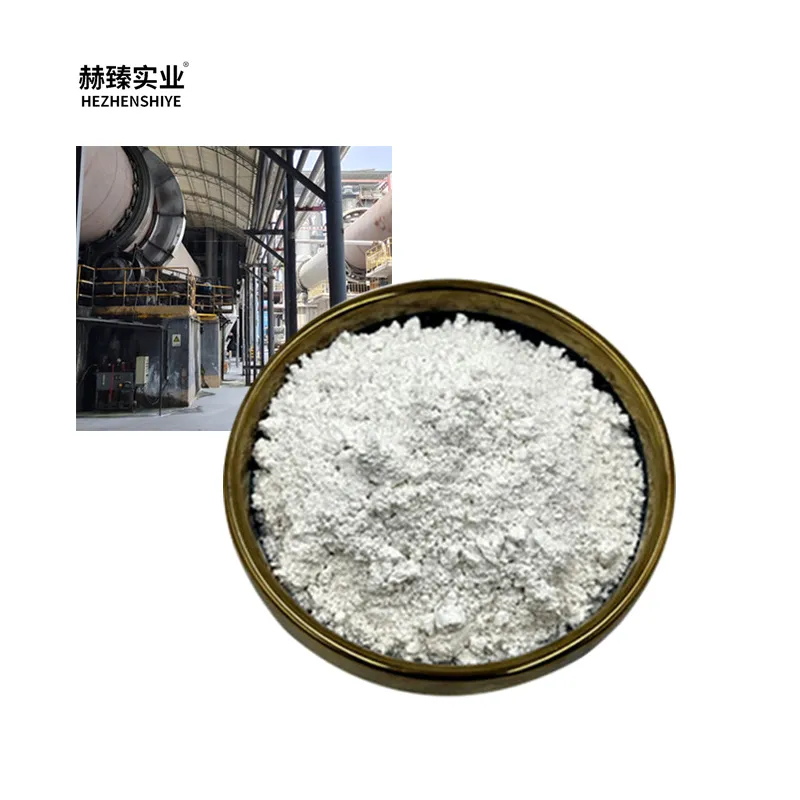
The transition from raw ore to a usable industrial product involves several critical stages: crushing, grinding, magnetic separation, and classification. Each stage is designed to remove impurities and refine the shape of the particle to meet specific customer requirements.
Strict adherence to ISO quality management systems ensures that non-metallic mineral products maintain a stable chemical profile across different production batches, reducing risk for downstream manufacturers.
Companies like Hebei Hezhen Industrial Co., Ltd. employ multi-layer management systems to oversee these processes. By integrating modern production technology with rigorous testing, they ensure that minerals such as tourmaline, kaolin, and talc meet the precise industrial grades demanded by global markets.
Performance Index for Functional Powders
To compare different functional minerals, industry professionals use a relative performance index. This index evaluates the mineral based on five critical dimensions: chemical stability, particle uniformity, purity, weather resistance, and cost-efficiency.
In this framework, tourmaline often scores highly in stability and specialized functionality, whereas minerals like calcium carbonate or talc may offer better cost-efficiency for general-purpose filling applications.
Figure 2. Relative Performance Index of Industrial Minerals
Application Scenarios in Modern Landscaping
Beyond heavy industry, functional minerals are finding extensive use in high-end landscape decoration. Fluorescent and reflective stones are used as focal points to accentuate water features and sculptural elements, adding a dynamic visual dimension to outdoor spaces during twilight hours.
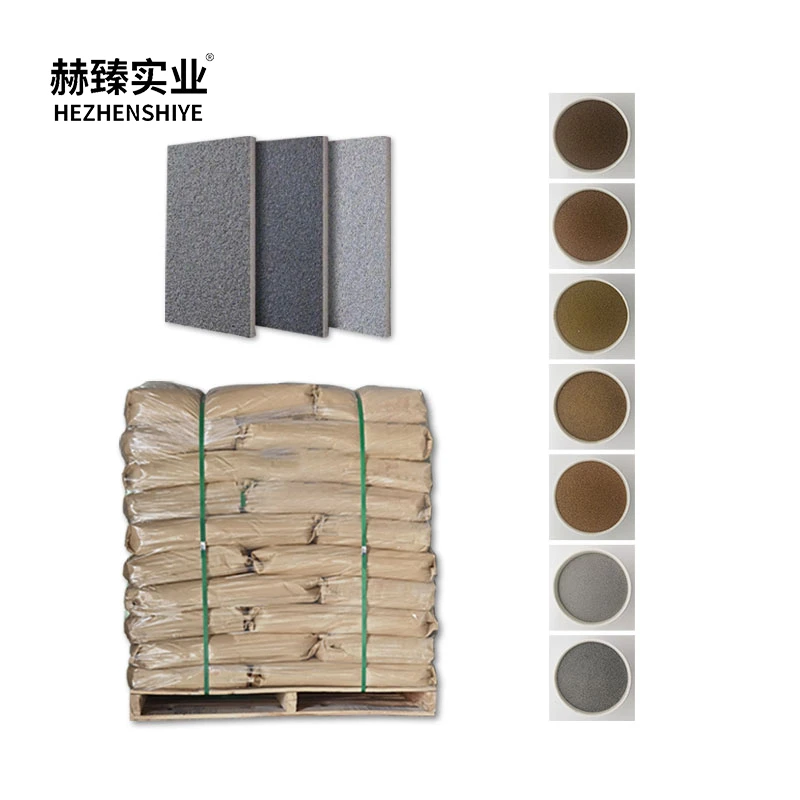
These materials must be durable and weather-resistant to ensure long-term performance. For designers, the choice between various particles—such as glowing stones or colored sand—depends on the desired light-emission property and the environmental conditions of the project site.
Future Trends in Non-Metallic Mineral Use
The industry is shifting toward sustainable and eco-friendly mining and processing methods. There is an increasing demand for minerals that can be processed with lower energy consumption and minimal waste, driving innovation in micronization and separation technologies.
We are also seeing a trend toward "smart" functional materials. By combining tourmaline with other synthetic polymers, manufacturers are creating materials that can respond to temperature changes or electrical stimuli, expanding the utility of non-metallic minerals into the tech sector.
Consequently, the procurement focus is moving away from the lowest price per ton and toward the highest value-added performance. Buyers are now prioritizing suppliers who can provide detailed technical data sheets and customizable particle specifications.
Procurement Selection Framework
Selecting the right supplier for industrial minerals involves a trade-off between lead times, purity, and volume. For many companies, a one-stop service provider that handles processing, testing, and shipping is more efficient than managing multiple raw material sources.
When comparing tourmaline for sale against other fillers, the decision should be based on the specific functional requirement of the project, whether it be thermal stability or electrical properties.
The following framework provides a relative suitability assessment for common non-metallic mineral powders based on typical industrial requirements.
| Mineral Type | Primary Property | Weather Stability | Typical Application |
|---|---|---|---|
| Tourmaline | Piezoelectric | Very High | Functional Composites |
| Kaolin | Plasticity | High | Ceramics & Paper |
| Talc Powder | Lubricity | Medium | Cosmetics & Plastics |
| Bentonite | Absorption | High | Drilling & Casting |
| Mica Flake | Insulation | Very High | Electrical Components |
| Diatomite | Porosity | Medium | Filtration Systems |
Questions & Answers
Industrial grade refers to a mineral product that has been processed to meet specific technical standards regarding purity, particle size, and chemical composition. Unlike gem-grade tourmaline, industrial grade focuses on the consistency of physical properties and the removal of impurities that could compromise the stability of the final industrial product, such as in ceramics or fillers.
Particle size determines the surface area and the way the mineral interacts with other materials. Finer powders provide better blending and a smoother finish in coatings or cosmetics, while coarser particles (sand or particles) are better suited for landscape decoration or as structural fillers where mechanical strength and visibility are required.
Buyers should evaluate the supplier's technical capacity, specifically their ability to provide consistent particle size distributions and purity certifications. Experience in international export and adherence to quality systems like ISO 9001 are critical indicators that the supplier can meet strict industrial specifications and delivery schedules.
Tourmaline is typically used when specific functional properties, such as electrical polarity or high chemical stability, are needed. While it can act as a filler, it is usually an expensive choice compared to calcium carbonate or talc. Therefore, it is used as a strategic additive rather than a bulk filler in most industrial applications.
Many industries are moving toward minerals sourced from sustainable mines that use closed-loop water systems and low-emission grinding technology. Choosing suppliers who prioritize environmental standards reduces the overall carbon footprint of the final product without sacrificing the technical performance of the mineral.
Minimum order quantities vary widely depending on the processing requirements. For specialized particles like tourmaline or glowing stones, some suppliers offer small quantities (e.g., 1kg) for sampling and testing, while bulk industrial shipments are typically handled in tons to optimize shipping and logistics costs.
Final Thoughts
The procurement of functional minerals is no longer a simple commodity purchase but a technical decision that impacts the entire production chain. By focusing on purity, particle size distribution, and the technical capabilities of the supplier, manufacturers can ensure their products meet the highest industry standards.
As the demand for specialized non-metallic minerals continues to grow in both the industrial and decorative sectors, partnering with experienced processors who offer comprehensive quality control will be the key to maintaining a competitive edge in the global market.