
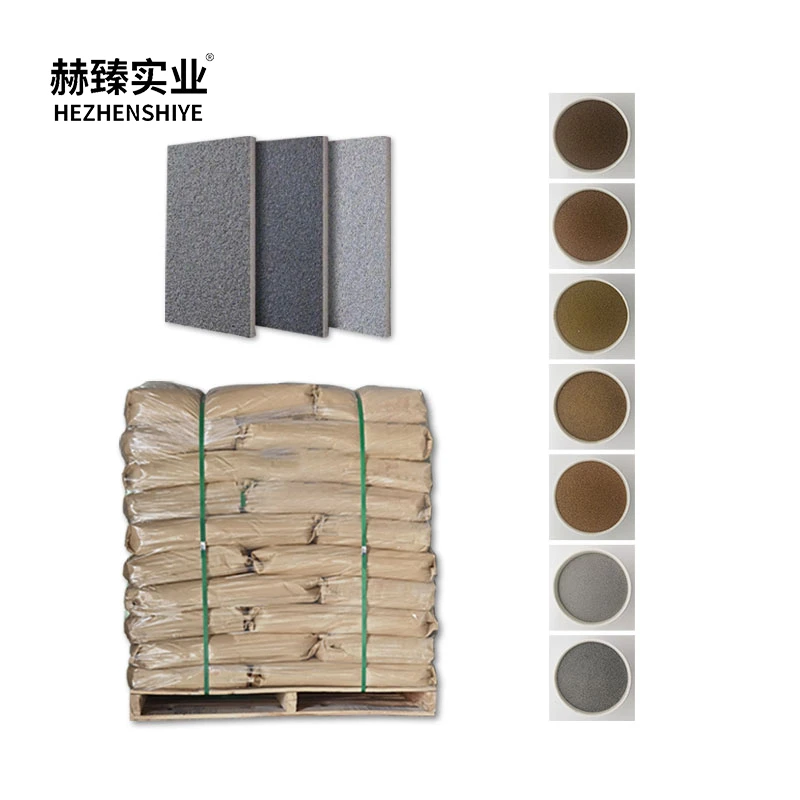

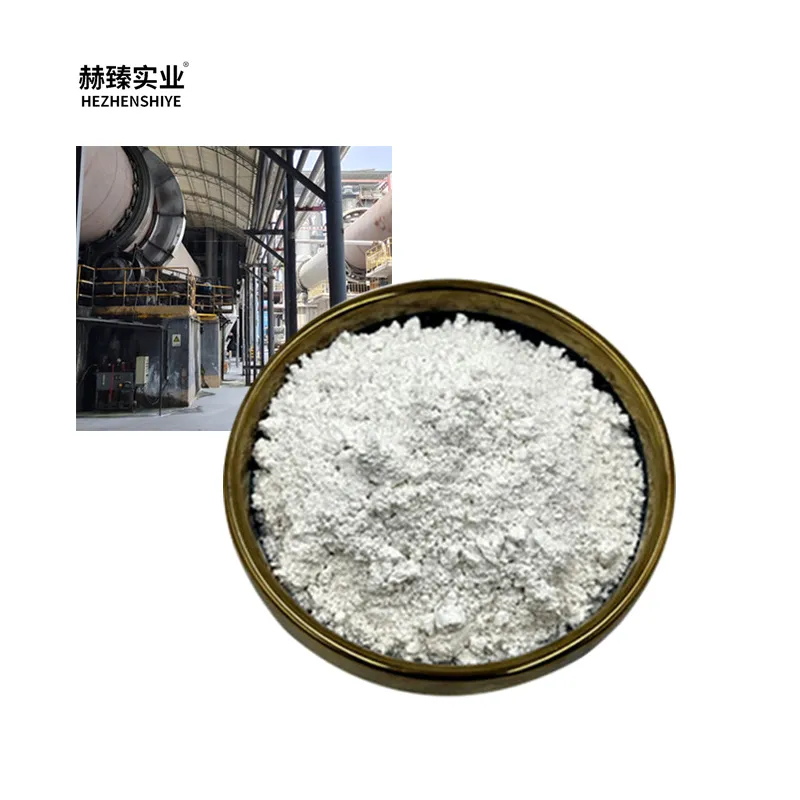
white play sand technical evaluation and mineral composition
Selecting the right substrate for creative and industrial play areas often comes down to a balance of aesthetics, safety, and material purity. While many options exist, the specific demand for high-brightness, contaminant-free minerals has brought a particular focus to the technical specifications of premium sands.
The market is shifting away from generic fillers toward specialized mineral products that meet strict environmental and tactile standards. This transition is driven by a growing awareness of how mineral composition affects everything from drainage in outdoor play pits to the sensory experience of tactile learning environments.
To navigate these choices, it is essential to understand the mineralogical differences between standard quartz and processed specialty sands. By examining the properties of white play sand, procurement officers and designers can ensure their materials provide both the desired visual impact and the necessary functional longevity.
Mineral Composition and Purity

The brilliance of premium white sand is not merely a result of color, but a reflection of its chemical purity. Most high-end white sands are composed primarily of silica (SiO2) or calcium carbonate, where the absence of iron oxides prevents the yellow or brown tinting common in construction-grade materials.
In the context of non-metallic mineral processing, achieving this level of whiteness requires rigorous washing and screening processes. This ensures that organic debris and clay contaminants are removed, which is critical for applications where the material may come into contact with sensitive surfaces or skin.
Technical Evaluation Criteria
When evaluating mineral materials, the "mesh size" or granularity is the primary technical metric. For play-grade materials, a specific balance between particle size and shape is required to prevent dust inhalation while maintaining a fluid, "pourable" quality. Coarser grains provide better drainage, while finer powders—similar to the 1250 mesh used in specialized kaolin products—are reserved for fillers and coatings.
Beyond size, chemical stability is paramount. The material must be inert, meaning it does not react with water or common cleaning agents. This stability ensures that the white color does not fade over time and that the sand does not clump or harden into concrete-like structures when exposed to moisture.
Finally, the "roundness" of the grain is analyzed. Angular grains can be abrasive and potentially irritating, whereas sub-rounded grains provide a smoother tactile experience. Professional mineral suppliers utilize advanced screening technology to ensure a consistent grain distribution, eliminating the "over-sized" pebbles that could cause injury or inconsistency in application.
The Impact of Grain Morphology
The physical shape of a mineral grain dictates how the material behaves under pressure and how it interacts with other substances. In the non-metallic mineral industry, morphology is treated as a functional specification rather than a byproduct of mining.
The functional utility of mineral sand is determined by the intersection of its chemical purity (whiteness) and its geometric consistency (grain shape), which together dictate its drainage capacity and skin-feel.
For instance, if a material is too fine, it may behave like a powder, increasing the risk of airborne particulates. If it is too coarse, it loses the aesthetic appeal of "white sand." The engineering goal is to achieve a narrow particle size distribution (PSD) to ensure predictable behavior across the entire volume of the installation.
Comparative Performance Index
Comparing different mineral substrates requires a qualitative scoring model. We assess materials based on five key pillars: Color Brilliance, Drainage Efficiency, Tactile Smoothness, Dust Level, and Chemical Inertness.
While standard play sand performs adequately in basic settings, processed white play sand typically scores higher in brilliance and smoothness due to the removal of impurities and the refinement of grain shape.
Figure 2. Mineral Substrate Relative Performance Index
Integration in Industrial Settings
In a typical industrial setting, such as a commercial playground manufacturer or a landscape architecture firm, the procurement of minerals is based on the specific environmental load of the project. For instance, high-traffic areas require minerals with higher abrasion resistance to prevent the sand from breaking down into fine dust, which can clog drainage systems.
Companies like Hebei Hezhen Industrial Co., Ltd. manage this by leveraging their expertise in non-metallic mineral processing. By offering a range of products—from specialized silica series to functional powders like kaolin—they provide the necessary material consistency that industrial clients require to meet safety certifications and aesthetic benchmarks.
Evolution of Mineral Processing
The transition from raw mineral extraction to high-precision processing has fundamentally changed the availability of specialty sands. Modern processing now includes multi-stage washing, ultrasonic cleaning, and precise air classification to remove the finest silt particles that traditionally caused "mudding" in play areas.
Technological advancements in the non-metallic mineral sector have also allowed for the creation of hybrid materials. By combining the properties of different mineral powders—such as incorporating specific properties of bentonite or talc for different industrial fillers—manufacturers can now tailor the "feel" and "flow" of the material to match the end-user's exact needs.
Looking ahead, the industry is moving toward "closed-loop" processing, where water used in the washing of white sand is recycled through filtration systems. This not only reduces the environmental footprint but also ensures that the final product is free from external groundwater contaminants, increasing the overall purity of the mineral.
Selection Framework for Buyers
For buyers, the challenge lies in distinguishing between "industrial white" and "play-grade white." The former may be suitable for construction or as a filler in cement mortars, while the latter requires a higher standard of purity and a softer grain morphology to ensure user safety and comfort.
A decision framework should prioritize the end-use scenario. If the primary goal is aesthetic brilliance for a luxury installation, chemical purity (low iron content) is the most critical factor. If the goal is durability in a high-drainage outdoor area, grain size uniformity and hardness take precedence.
The following table provides a relative suitability guide for different mineral substrates based on typical project requirements.
| Application Scenario | Purity Requirement | Grain Size Goal | Recommended Material |
|---|---|---|---|
| Luxury Play Pits | Very High | Fine-Medium | Processed White Sand |
| Outdoor Drainage | Medium | Medium-Coarse | Industrial Silica Sand |
| Tactile Therapy | High | Ultra-Fine | Refined Mineral Powder |
| Cement Mortar Filler | Low-Medium | Variable | Calcined Kaolin/Talc |
| Decorative Landscaping | High | Medium | Color Sand / White Sand |
| Industrial Filtration | Medium | Uniform Coarse | Quartz Silica Sand |
Questions & Answers
The primary difference lies in the processing level. Play-grade sand undergoes more rigorous washing to remove dust, silt, and organic impurities, and it is screened for grain roundness to avoid abrasiveness. Industrial-grade sand may contain higher levels of fines or angular particles, which are acceptable for construction or filtration but unsuitable for direct human contact in play environments.
Iron oxides are the main culprits behind yellow, orange, or brown tints in natural sand. Even small amounts of iron can stain the mineral grains. High-purity white sand is sourced from deposits with naturally low iron content and further refined through processing to ensure a brilliant white appearance that remains stable under various weather conditions.
For optimal drainage, a medium-to-coarse grain size is preferred. This prevents the material from packing too tightly, allowing water to permeate the substrate quickly. However, the grains must still be rounded to ensure they are not abrasive. A balanced mix of 0.5mm to 2.0mm is typically ideal for outdoor installations.
No. Indoor applications require a strict "low-dust" specification. If the sand has too many "fines" (particles smaller than 0.063mm), it can create airborne dust that affects indoor air quality. Only thoroughly washed and screened white sand, or specialized mineral powders with high purity, should be used for indoor tactile environments.
To prevent contamination, sand should be stored in moisture-proof packaging or covered silos. Exposure to organic matter, such as fallen leaves or soil, can quickly stain the brilliant white color. For industrial procurement, 25kg bags or customized bulk packaging are common to ensure the material remains clean from the factory to the site.
Yes. Quartz sand (silica) is generally harder and more resistant to weathering, making it better for high-traffic outdoor areas. Calcium carbonate sand is often softer and may have a different chemical reactivity. Depending on the project—whether it is a construction filler or a play area—the choice depends on the required hardness and chemical inertness.
Final Thoughts
The selection of white play sand is a technical decision that extends far beyond simple aesthetics. By focusing on mineral purity, grain morphology, and a rigorous evaluation of application needs, designers can create environments that are both visually stunning and functionally superior.
As the non-metallic mineral industry continues to refine its processing capabilities, the ability to source highly specific, consistent, and pure materials becomes a key competitive advantage for developers and manufacturers worldwide.