

Precipitated Silica Technical Performance Analysis
Selecting the right reinforcing filler can fundamentally alter the mechanical properties and longevity of an industrial polymer or rubber compound. In the realm of high-performance materials, the precise control of surface area and porosity is not just a technical preference but a requirement for structural integrity.
The transition toward sustainable and more durable industrial components has pushed manufacturers to look beyond standard fillers toward engineered options that offer specific chemical reactivity and physical reinforcement. This is where the role of specialized silica becomes critical, acting as a bridge between raw polymer matrices and high-performance end products.
Understanding the nuanced differences in how precipitated silica interacts with various resins allows procurement engineers to optimize both cost and performance. This article explores the technical evaluation, application logic, and selection frameworks for implementing high-purity silica in modern manufacturing.
Material Fundamentals and Structural Logic
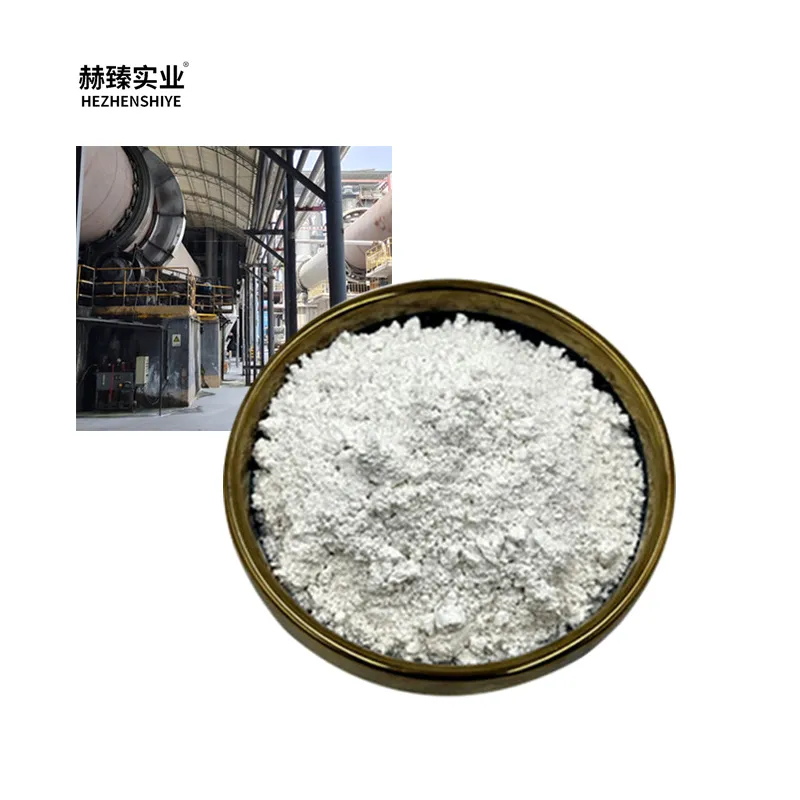
Unlike fumed silica, which is produced through flame hydrolysis, precipitated silica is created via a chemical precipitation process. This method allows for a more controlled particle size and a unique branched structure that provides exceptional reinforcement and thickening properties.
The structural logic of this material relies on its high concentration of surface silanol groups. These groups facilitate hydrogen bonding with the surrounding polymer matrix, which directly translates to increased tensile strength and improved abrasion resistance in the final molded part.
Technical Determinants of Performance
The effectiveness of a silica filler is primarily governed by its Specific Surface Area (SSA) and its oil absorption capacity. A higher SSA typically indicates a finer particle size, which increases the contact area between the filler and the polymer. This leads to more efficient reinforcement but can also increase the viscosity of the mix, potentially complicating the injection molding process.
Beyond surface area, the purity of the industrial grade material is paramount. Impurities such as alkali metals can act as catalysts for polymer degradation over time, particularly in environments exposed to high heat or UV radiation. Maintaining a purity level of 99% or higher ensures that the additive remains inert and does not compromise the chemical stability of the host material.
The morphology of the particles—whether they are spherical or irregular—determines how they pack within the matrix. Irregular particles often provide better mechanical interlocking, whereas spherical particles are preferred when the goal is to reduce viscosity and improve the flow characteristics of the compound during fabrication.
The Synergy of Mineral Fillers
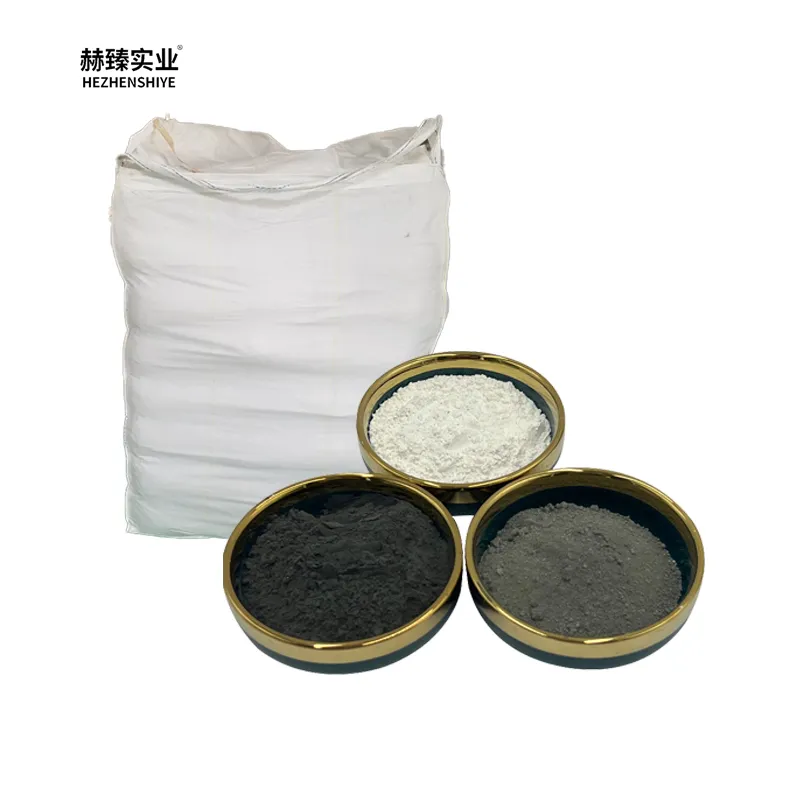
In complex industrial formulations, silica is rarely used in isolation. It is often paired with other non-metallic minerals to achieve a balanced set of properties. For instance, combining silica with talc or calcium carbonate can optimize the cost-to-performance ratio while maintaining the necessary rigidity.
The strategic integration of multiple mineral powders allows manufacturers to decouple the relationship between material stiffness and processing viscosity, enabling the creation of parts that are both easy to mold and structurally superior.
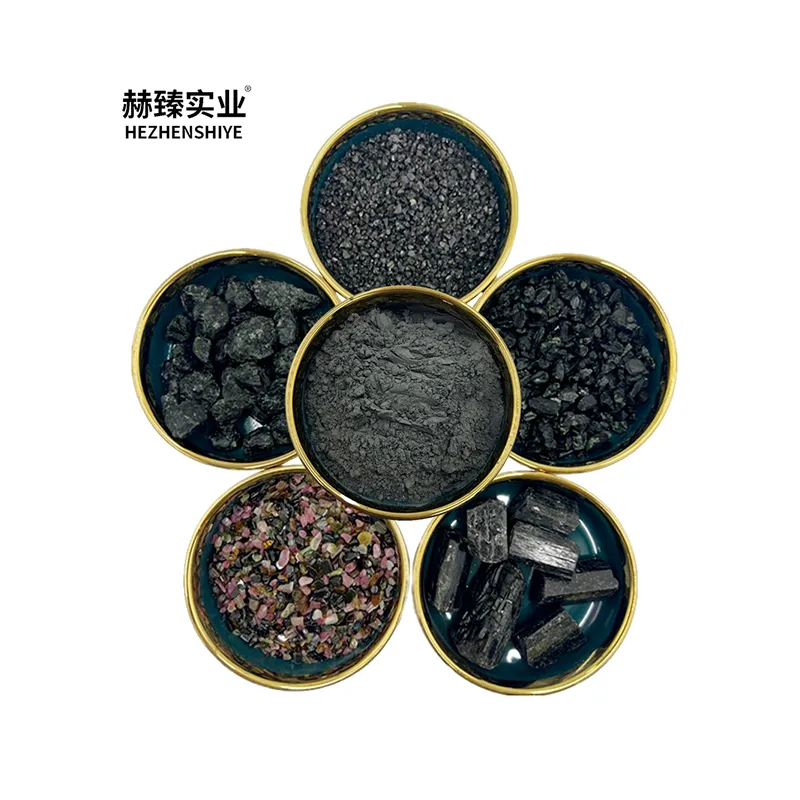
Hebei Hezhen Industrial Co., Ltd. leverages this synergistic approach by providing a comprehensive portfolio of mineral solutions. From the absorbent properties of diatomite powder to the thermal regulation capabilities of tourmaline, the ability to blend these functional powders allows for the development of specialized materials, such as tourmaline-infused textiles that regulate temperature and improve air quality through negative ion release.
Comparative Efficiency Index
When evaluating filler efficiency, engineers often look at the relative impact on specific material properties. The following index illustrates how different functional powders influence key performance metrics. While silica excels in reinforcement and abrasion resistance, other minerals like kaolin or mica are more effective for specific thermal or electrical insulating properties.
This relative assessment helps in determining the primary filler and the secondary additives required. For example, if the primary goal is high tensile strength with moderate cost, a blend of silica and calcium carbonate is often the most viable path.
Figure 2. Functional Filler Performance Index
Practical Deployment Scenarios
In a typical industrial setting, such as the production of automotive seals or high-wear gaskets, the deployment of silica involves a precise mixing sequence. The powder must be thoroughly dispersed to avoid "clumping," which would otherwise create weak points in the material. Manufacturers often use high-shear mixers to ensure that the silica particles are evenly distributed throughout the rubber compound.
Another critical scenario is the production of functional textiles. By incorporating tourmaline powder or silica-based agents into fibers, manufacturers can create sportswear that offers both durability and biological benefits. The focus here shifts from mechanical reinforcement to the release of far-infrared properties and negative ions, illustrating the versatility of mineral processing in the modern market.
Evolution of Functional Powders
The industry is moving away from simple "filling" toward "functionalization." This means that minerals are no longer chosen just to reduce costs, but to add specific properties to the end product. The demand for "green" silica, produced with lower carbon footprints, is becoming a primary driver for R&D in the non-metallic mineral sector.
Furthermore, the integration of nano-scale particles is allowing for the creation of materials with unprecedented strength-to-weight ratios. While traditional industrial-grade powders remain the backbone of the industry, the shift toward hybrid mineral-organic composites is creating new opportunities in aerospace and medical device manufacturing.
As user expectations evolve, there is an increasing focus on the "wellness" aspect of industrial materials. This trend is evident in the rise of mineral-infused home textiles and clothing, where the additive's role is to promote a sense of well-being and regulate body temperature, rather than just providing structural support.
Selection Framework for Industrial Buyers
For procurement officers and material scientists, selecting the right mineral powder requires a rigorous evaluation of the trade-offs between cost, processing ease, and final performance. The decision process should begin with the identification of the primary failure mode of the product—be it abrasion, thermal degradation, or lack of rigidity.
Once the primary requirement is established, the suitability of different powders can be compared. For instance, while silica provides the best reinforcement, it may be too expensive for bulk applications where a combination of calcium carbonate and kaolin would suffice.
The following table provides a conceptual framework for comparing common mineral additives based on typical industrial requirements.
| Material | Primary Strength | Processing Impact | Relative Cost |
|---|---|---|---|
| Precipitated Silica | High Reinforcement | Increases Viscosity | Moderate-High |
| Calcium Carbonate | Bulk/Cost Reduction | Low Impact | Low |
| Talc Powder | Dimensional Stability | Improves Flow | Moderate |
| Kaolin Clay | Chemical Resistance | Moderate Impact | Moderate |
| Tourmaline Powder | Functional/Wellness | Minimal Impact | High |
| Diatomite Powder | High Absorbency | Increases Porosity | Moderate |
Questions & Answers
The primary difference lies in the manufacturing process and resulting structure. Precipitated silica is produced via a liquid-phase chemical reaction, resulting in a branched, porous structure with higher oil absorption and different reinforcement characteristics. Fumed silica is created through flame pyrolysis, resulting in smaller, more discrete spherical particles. For most industrial rubber and polymer applications requiring high abrasion resistance and structural reinforcement, precipitated silica is the preferred choice due to its specific surface chemistry.
Purity is critical because trace amounts of alkaline impurities can catalyze the breakdown of polymer chains, especially during high-temperature processing or prolonged exposure to environmental heat. High-purity industrial grades (99%+) ensure that the filler remains chemically inert, preventing premature aging, yellowing, or cracking of the final product. This is particularly vital for components used in automotive or outdoor industrial applications where long-term durability is a key performance indicator.
It depends on the application. For simple bulk filling where mechanical strength is not the priority, fillers like calcium carbonate can reduce costs. However, for applications requiring high tensile strength, tear resistance, or specific rheological properties, silica cannot be fully replaced. The most effective strategy is often a "hybrid fill" approach, where a small percentage of high-performance silica is used for reinforcement, while lower-cost minerals provide the bulk volume.
Specific Surface Area (SSA) determines how much of the filler's surface is available to interact with the polymer matrix. A higher SSA generally leads to better reinforcement and higher viscosity. When selecting a powder, you must balance the need for strength (high SSA) against the need for ease of processing (low SSA). If the material is too viscous, it may lead to air pockets or incomplete fills in the mold, regardless of the material's theoretical strength.
Standard fillers like silica or talc are primarily used for mechanical or physical properties. Functional minerals like tourmaline provide "active" benefits. For example, tourmaline can emit far-infrared radiation and negative ions, which are used in specialized textiles to regulate body temperature and improve the wearer's sense of well-being. While they can provide some structural benefit, their primary value is the biological or environmental effect they introduce to the product.
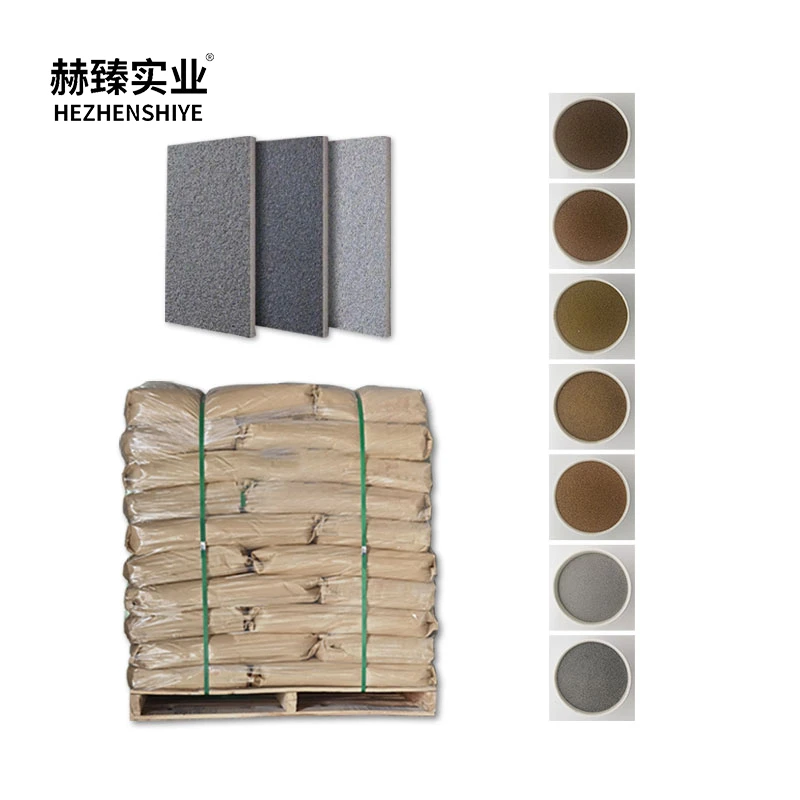
Most industrial mineral powders are hygroscopic, meaning they absorb moisture from the air. Moisture can cause clumping and interfere with the chemical bonding between the filler and the resin during processing. To maintain quality, these materials should be stored in a cool, dry environment in airtight packaging, typically 25kg bags. For high-precision applications, pre-drying the powder before mixing is often recommended to ensure consistent results.
Final Thoughts
The strategic selection of industrial fillers is a balancing act between chemical purity, physical structure, and economic viability. As manufacturing demands shift toward more sustainable and functional materials, the role of precision-processed minerals like precipitated silica remains central to achieving high-performance outcomes.
By focusing on the synergy between different mineral types—combining the reinforcement of silica with the functional benefits of additives like tourmaline—companies can create next-generation products that exceed traditional performance benchmarks while maintaining operational efficiency.