

Silica Sand for Sale Technical Performance Analysis
Selecting the right mineral filler often determines the structural integrity and finish of industrial coatings and composite materials. For many procurement officers, finding high-purity silica sand for sale is not just about price, but about matching the mineral's chemical stability and particle distribution to a specific industrial application.
The global shift toward more durable, weather-resistant building materials has placed a renewed focus on silicon dioxide (SiO2) and related functional powders. As manufacturers strive to balance cost-efficiency with high performance, the role of refined silica and heavy calcium powders has become central to optimizing opacity and mechanical strength in rubber and paint sectors.
This report examines the technical criteria for evaluating mineral powders, the logistical considerations for bulk sourcing, and how to distinguish between various industrial grades to ensure long-term product stability.
Material Fundamentals of Industrial Silica
Industrial silica, primarily composed of silicon dioxide, is valued for its hardness, chemical inertness, and thermal stability. When seeking silica sand for sale, the primary distinction lies between raw quarry sand and processed powders. The processing stage—including crushing, milling, and air classification—determines the particle size distribution, which directly affects the surface area available for bonding in a matrix.
For high-precision applications, the purity levels (often ranging from 90% to 99%) are critical. Contaminants like iron oxide can alter the color of the final product or catalyze unwanted reactions in chemical coatings. Therefore, the focus has shifted from simple bulk volume to "functionalized" silica that meets specific mesh requirements for improved fluidity.
Technical Determinants of Filler Performance
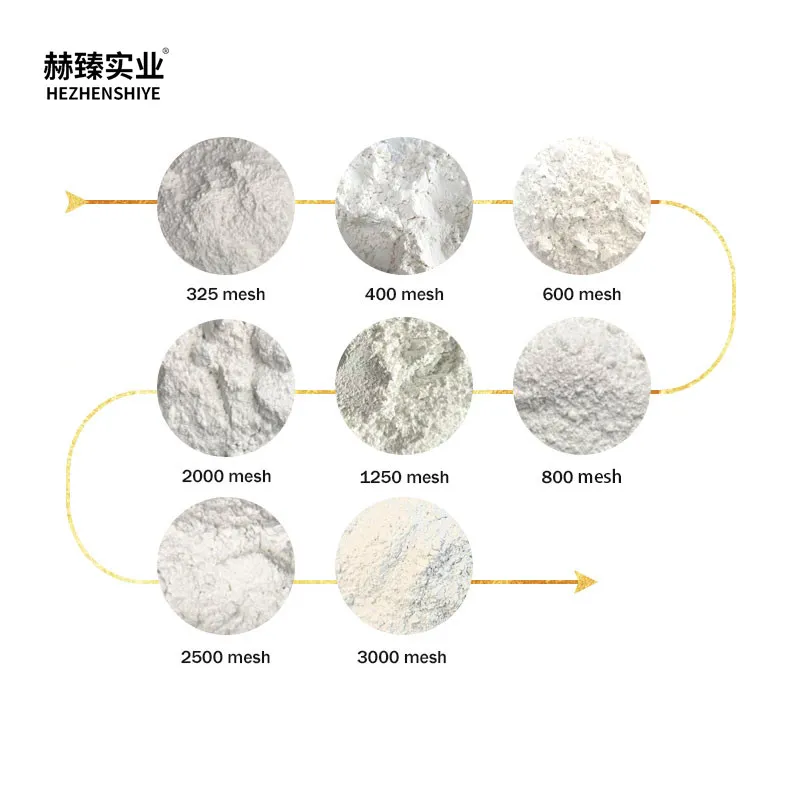
The efficacy of a mineral filler is governed by its particle morphology and size. In the case of 400 mesh powders, the fine grain allows for a higher packing density within the material matrix. This reduces the amount of expensive resin or binder required, effectively lowering production costs without compromising the physical properties of the end product.
Dispersion is the second critical factor. If the particles clump (agglomerate), they create weak points in the material, leading to cracks or uneven coating thickness. High-quality industrial powders are treated or processed to ensure they disperse uniformly, which is particularly vital in the rubber industry to maintain tensile strength and wear resistance.
Finally, chemical compatibility ensures that the filler does not react negatively with the polymers or pigments. The inert nature of high-grade silicon dioxide makes it an ideal choice for environments exposed to harsh chemicals or extreme temperature fluctuations, providing a stable skeleton for the composite.
The Synergy Between SiO2 and Calcium Carbonate
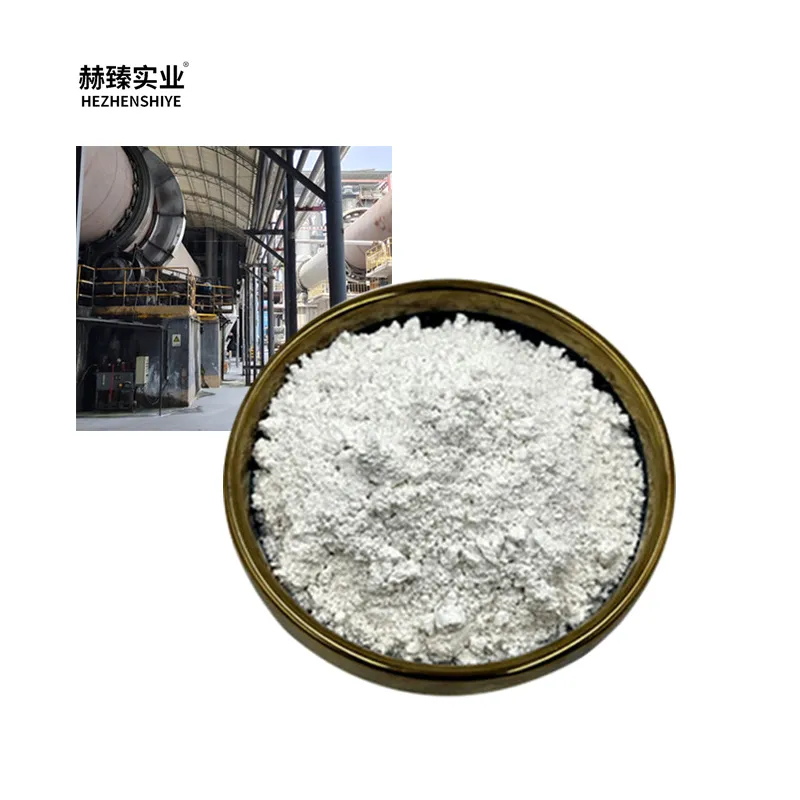
While silica provides hardness and stability, many manufacturers utilize a hybrid approach by incorporating calcium carbonate. This combination allows for a tailored balance between rigid strength and processing flexibility. Hebei Hezhen Industrial Co., Ltd. specializes in this variety of non-metallic minerals, providing both SiO2 series and calcium carbonate powders to meet diverse specification needs.
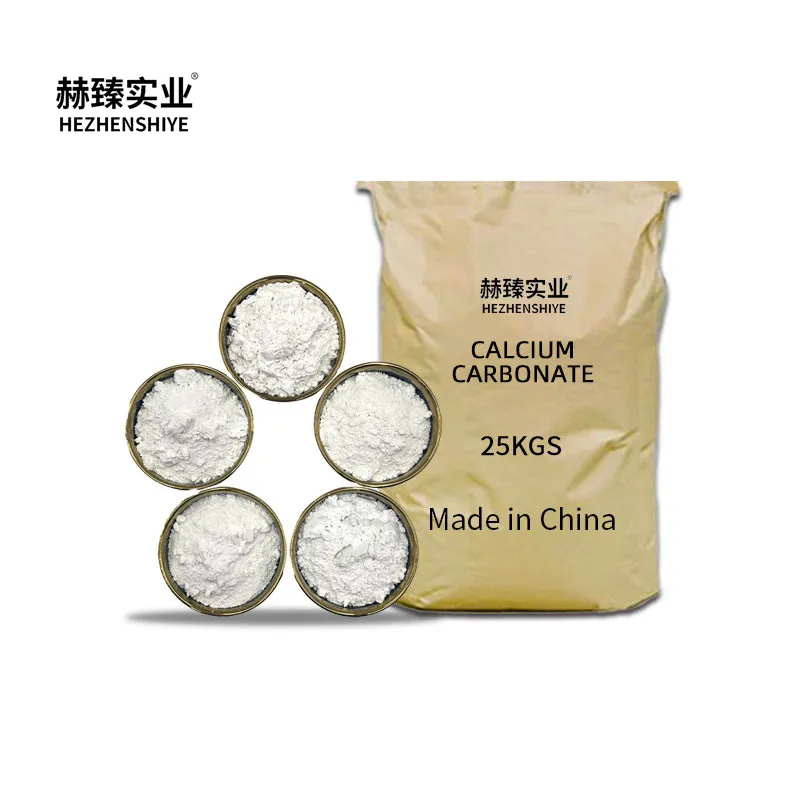
The integration of 400 mesh heavy calcium powder in coatings specifically enhances opacity and abrasion resistance, acting as a cost-effective filler that improves weathering performance while ensuring a smooth, uniform finish.
In rubber applications, the use of calcium carbonate improves processing characteristics and reduces raw material costs. When paired with silica, it creates a composite that exhibits superior hardness and tensile strength, making it suitable for heavy-duty industrial rubber parts.
Evaluation Indices for Mineral Grade Selection
To quantify the suitability of a mineral powder, engineers use a relative value index based on purity, particle size consistency, and dispersion rate. A higher index in "Dispersion Ease" typically correlates with lower energy requirements during the mixing phase of production.
The following chart illustrates the relative performance impact of different mineral properties on the final product quality. This conceptual framework helps procurement teams prioritize which technical specifications are most critical for their specific end-use.
Figure 2. Relative Impact of Mineral Properties on Quality
Operational Integration in Rubber and Paint
In a typical industrial setting, the integration of mineral powders requires a precise sequence of additives. For paint coatings, the 400 mesh calcium powder is often introduced during the grinding phase to ensure it is fully encapsulated by the resin, which prevents the "chalking" effect seen in lower-grade fillers.
For rubber manufacturers, the focus is on the dispersion matrix. The use of high-purity powders allows for a more consistent vulcanization process, reducing the occurrence of internal voids and increasing the overall wear resistance of the final component. This technical precision is why companies prioritize suppliers with ISO9001 certification and strong R&D capabilities.
Emerging Trends in Functional Mineral Powders
The industry is moving toward "smart fillers" that do more than just reduce costs. There is an increasing demand for powders that can provide specific functional properties, such as fire retardancy or enhanced UV reflection. This shift is driving the development of modified kaolin and talc powders that can be blended with silicon dioxide for specialized applications.
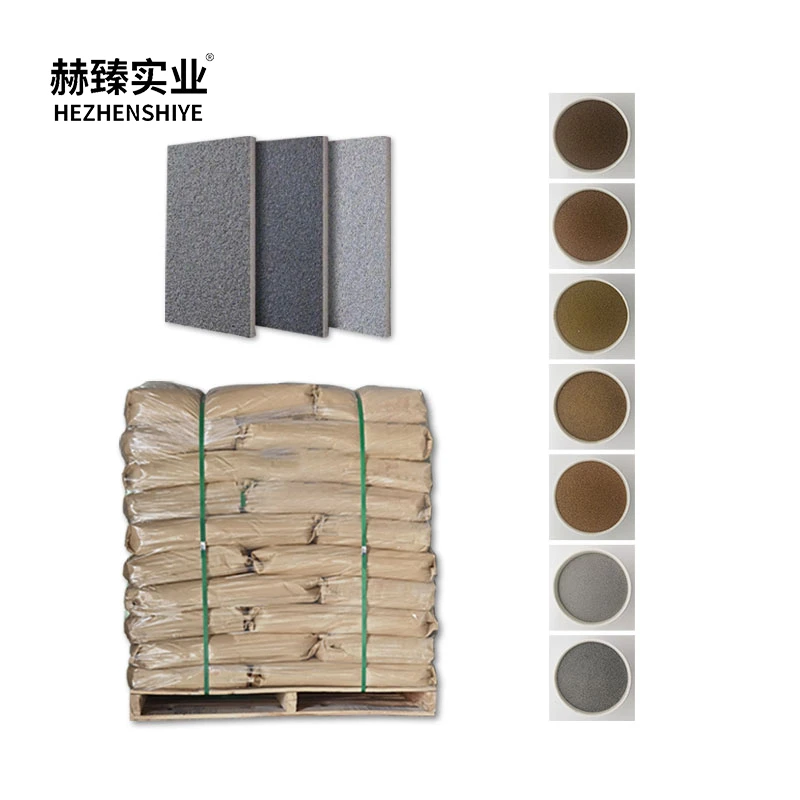
Sustainability is also reshaping the supply chain. Manufacturers are looking for powders with lower carbon footprints and higher purity to reduce waste during the production cycle. The ability to customize package sizes—from 1kg samples to 25kg industrial bags—allows for more agile testing and reduced overstock.
Furthermore, the integration of multi-layer management systems in production ensures that the "Industrial Grade" and "Food Grade" distinctions are strictly maintained, preventing cross-contamination in sectors like food-contact rubber or pharmaceutical-grade coatings.
Comparison Framework for Sourcing Decisions
When evaluating different options for silica sand for sale, procurement teams must look beyond the per-ton price. The true cost is found in the "application efficiency"—how much of the material is actually utilized and how it affects the cycle time of production.
Trade-offs often occur between purity and price. While 99% purity is ideal, for many standard industrial rubber fillers, a 90-95% purity range is sufficient and significantly more cost-effective. The key is to match the grade to the specific requirements of the end-use case.
The following table provides a decision framework for selecting mineral fillers based on the desired performance outcome in industrial coatings and rubber.
| Requirement | Recommended Material | Critical Parameter | Expected Outcome |
|---|---|---|---|
| High Opacity (Paint) | Heavy Calcium Powder | 400 Mesh / Fineness | Smooth Finish & Coverage |
| Thermal Stability | Silicon Dioxide (SiO2) | Purity > 95% | Heat Resistance |
| Wear Resistance | Silica / Calcium Blend | Particle Distribution | Increased Tensile Strength |
| Cost Reduction | Industrial Grade Fillers | Bulk Density | Lower Unit Material Cost |
| Chemical Inertness | High-Purity Silica Sand | Low Iron Content | Corrosion Resistance |
| Surface Smoothness | Fine Mica/Talc Powder | Platy Morphology | Reduced Surface Friction |
Questions & Answers
Industrial grade powders are designed for construction, rubber, and paint applications where mechanical properties and cost-efficiency are the primary goals. Food grade powders undergo more stringent purification processes to remove heavy metals and contaminants, ensuring they meet safety standards for food-contact materials or pharmaceutical fillers. The choice depends entirely on the end-use regulation and safety requirements of the final product.
Mesh size refers to the fineness of the powder. A 400 mesh powder consists of very small particles that can be distributed more densely across a surface. In coatings, these fine particles fill the microscopic gaps in the resin matrix, increasing the amount of light reflected and thus improving the opacity and "hide" of the paint, while simultaneously creating a smoother surface finish.
Not directly. While both act as fillers, they have different chemical and physical properties. Silica (SiO2) is generally harder and more chemically inert, making it better for abrasion resistance and high-temperature stability. Calcium carbonate is often used for its opacity and cost-effectiveness in plastics and paints. Most high-performance materials use a strategic blend of both to balance strength and cost.
The primary challenges are moisture control and contamination during transit. Silica and calcium powders can absorb moisture, leading to clumping (agglomeration) that affects dispersion. Using professional packaging, such as 25kg bags or customized moisture-proof packaging, and sourcing from suppliers located near major ports (like the proximity to Tianjin port for Hebei-based suppliers) helps reduce transit time and costs.
Evaluation should be based on a combination of third-party certifications (such as ISO9001) and technical data sheets (TDS). Request a sample for laboratory testing to verify the purity percentage and particle size distribution using laser diffraction. A reliable supplier should provide clear specifications on the chemical composition, including the levels of iron oxide and other impurities.
Poor dispersion creates "clusters" of mineral powder within the rubber matrix. These clusters act as stress concentrators, meaning that when the rubber is stretched or compressed, the stress accumulates around these clusters, leading to premature tearing or cracking. Proper dispersion ensures the filler reinforces the polymer chain uniformly, maximizing tensile strength and long-term wear resistance.
Final Thoughts
The selection of industrial mineral fillers is a technical balance between material purity, particle geometry, and cost. Whether sourcing high-purity silica or versatile calcium carbonate, the goal is to enhance the mechanical properties of the end product while maintaining production efficiency.
By focusing on technical specifications like mesh size and dispersion rates rather than just bulk pricing, manufacturers can significantly improve the durability and quality of their coatings and rubber components. Partnering with suppliers who possess a strong technical force and standardized quality control is the most reliable path to achieving consistent industrial results.