
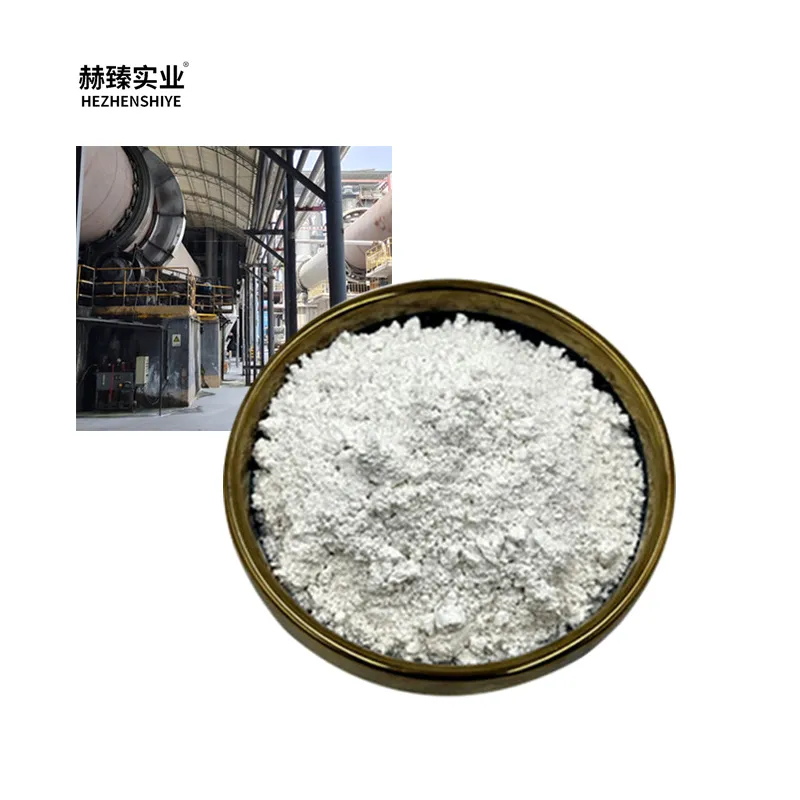

white sand for aquarium Technical Analysis and Mineral Purity
Selecting the right substrate is one of the most critical decisions for any aquarium enthusiast, as it dictates the chemical stability and aesthetic foundation of the aquatic environment. While various gravels and soils exist, white sand for aquarium setups remains a top choice for those seeking a bright, clean, and naturalistic appearance.
The shift toward specialized mineral powders and high-purity sands in the pet industry reflects a deeper understanding of how substrate composition affects water pH and the health of bottom-dwelling species. From the inert nature of high-grade silica to the decorative versatility of colored minerals, the material's physical and chemical properties determine its suitability for different species of fish and plants.
This analysis explores the technical requirements for aquarium-grade white sands, the importance of mineral purity, and how to evaluate substrate performance to ensure a sustainable aquatic ecosystem.
Mineral Foundations of Aquatic Substrates

Most high-quality white sands are derived from silica (Silicon Dioxide) or calcium carbonate sources. In the context of non-metallic mineral processing, the goal is to remove organic impurities and iron oxides that could leach into the water, potentially causing algae blooms or altering the water's toxicity levels.
The manufacturing process involves rigorous crushing, screening, and washing to achieve a specific grain size. This ensures that the sand provides the necessary surface area for beneficial bacteria to colonize while remaining porous enough to prevent the buildup of anaerobic pockets.
Technical Criteria for Sand Purity
Industrial-grade processing is essential to ensure that sand is chemically inert. When sourcing materials like silicon dioxide or calcium carbonate powder for aquatic use, the primary concern is the absence of heavy metals and soluble salts. A truly inert substrate will not shift the pH of the water, making it ideal for a wide variety of fish species.
Grain size distribution, or the "grading" of the sand, affects the physical behavior of the substrate. Fine sand is preferred for sifters and bottom-feeders, while coarser grains prevent compaction. Hebei Hezhen Industrial Co., Ltd. utilizes advanced processing technology to ensure consistent particle shapes, which minimizes the risk of abrasive damage to delicate fish scales.
Furthermore, the brightness of the white sand is a result of the removal of mineral contaminants. Using high-purity mineral processing ensures that the sand does not yellow over time, maintaining the high-contrast aesthetic that many aquarists desire for their displays.
The Interaction Between Sand and Water Chemistry
The chemical composition of the substrate acts as a buffer for the entire tank. For example, calcium-based sands can naturally increase the hardness and pH of the water, which is beneficial for African Cichlids but detrimental to Amazonian species that prefer acidic conditions.
The selection of a substrate must be dictated by the desired water parameters; an inert silica sand provides a neutral baseline, whereas carbonate-rich sands actively modify the chemical equilibrium of the aquatic environment.
Understanding this relationship allows hobbyists to use the substrate as a tool for water management. By choosing a specific mineral profile, one can stabilize the carbonate hardness (KH) and prevent rapid pH swings that could stress the livestock.
Performance Metrics of Mineral Sands
Evaluating the quality of aquarium sand involves looking at several key indices: light reflectivity, chemical stability, and porosity. Light reflectivity is crucial for simulating shallow-water environments and enhancing the vibrant colors of the fish.
The following index illustrates the relative performance of different mineral-based substrates across key aquatic requirements. These values represent a qualitative assessment based on standard mineral properties used in the non-metallic mineral industry.
Figure 2. Comparative Suitability Index of Substrate Materials
Application Scenarios and Species Compatibility
In a typical freshwater setting, white sand is often used for "sand-sifting" species such as Corydoras or certain types of rays. These fish require a substrate that is not only chemically safe but physically smooth to avoid injuring their barbels or undersides.
For those creating a saltwater reef, the use of aragonite or high-calcium white sands is more common to mimic the ocean floor. The selection process focuses on the balance between aesthetic brilliance and the ability of the sand to support a healthy biological filter.
Evolution of Decorative Mineral Materials
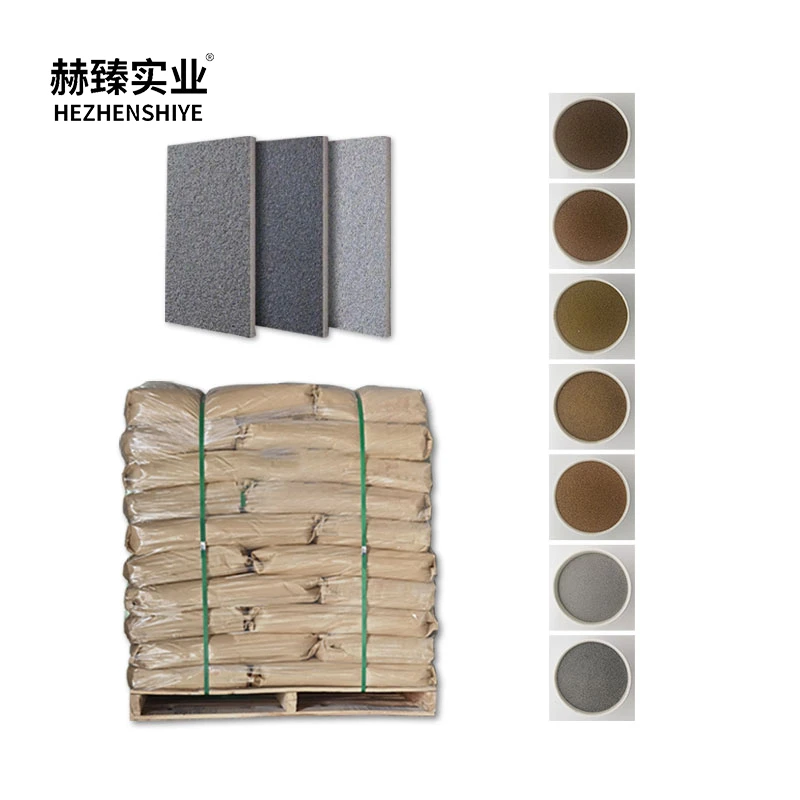
The industry has moved beyond simple natural sands to engineered mineral products. The introduction of "color sand" and functional powders allows for more creative aquascaping without sacrificing the chemical integrity of the tank.
Recent innovations include the development of specialized mineral coatings and fluorescent properties. For instance, the use of luminous stones (glowing pebbles) in outdoor and large-scale water features demonstrates how mineral processing can merge safety and aesthetics by absorbing light during the day and glowing at night.
As the market evolves, the demand for high-purity, ISO-certified mineral products increases. Companies focusing on a one-stop service from mineral processing to sales ensure that the end-user receives a product that meets strict industrial and safety standards.
Substrate Selection Framework
Choosing between different types of sand requires a trade-off analysis between chemical activity, visual appeal, and biological support. A decision framework should prioritize the needs of the livestock first, followed by the technical requirements of the filtration system.
Comparing silica-based white sand with other mineral options reveals distinct advantages in terms of pH stability. While some substrates offer better nutrient retention for plants, pure white sands excel in visibility and ease of maintenance.
The following table provides a comparative analysis of common mineral substrates based on their technical properties and suitability for different aquatic environments.
| Substrate Type | pH Influence | Reflectivity | Best Use Case |
|---|---|---|---|
| White Silica Sand | Neutral | High | General/Acidic Tanks |
| Calcium Carbonate | Alkaline | Medium | Hard Water Species |
| Colored Sand | Variable | Variable | Decorative Accents |
| Diatomite Powder | Neutral | Low | Filtration Bases |
| Glow Minerals | Inert | Luminous | Visual Focal Points |
| Talc-based Sand | Neutral | Medium | Soft-bottom Habitats |
Questions & Answers
It depends on the mineral composition. Silica-based white sand is chemically inert and will not change the pH. However, if the sand is composed of calcium carbonate or aragonite, it will buffer the water, likely increasing the pH and hardness over time. Always check the mineral origin before installation.
Grain size determines the physical impact on the fish. Very coarse sand can be abrasive to the bellies of bottom-dwellers or damage their barbels. Conversely, powder-like sand can clog filters and create anaerobic zones. A medium-fine, rounded grain is generally the safest for most species.
Cloudiness is usually caused by "fines"—tiny dust particles left over from the manufacturing process. The most effective solution is to thoroughly rinse the sand in a bucket with clean water until the runoff is clear before placing it in the tank. Using a slow-pour method during filling also helps.
Yes, mixing is common for both aesthetic and functional reasons. Creating "sand paths" on a base of volcanic rock or nutrient-rich soil is a popular aquascaping technique. Just be aware that smaller sand grains tend to settle beneath larger rocks over time due to gravity and water flow.
Safety depends on the pigment used. High-quality colored sands use iron oxide or other stable mineral pigments that are non-toxic. However, cheap, dyed sands can leach chemicals into the water. It is recommended to use industrial-grade mineral pigments to ensure biological safety.
Luminous stones serve both decorative and safety purposes. They absorb light during the day and glow in the dark, which can guide visitors along walking paths or highlight specific areas of a pond or water feature without the need for electrical wiring, reducing costs and installation risks.
Final Thoughts
The effectiveness of white sand for aquarium use is not merely a matter of color, but a result of precise mineral processing and chemical stability. By prioritizing purity and understanding the interaction between the substrate and water chemistry, aquarists can create environments that are both visually stunning and biologically sustainable.
As the industry trends toward more specialized and functional non-metallic mineral products, the integration of high-purity silica, calcium carbonates, and decorative mineral powders will continue to offer more flexibility for professional and hobbyist aquatic design alike.